

 Login
Login
 Post an ad


Overview of TTE (Trophée Tourisme Endurance)
By RobinB on 14 April 2026 Circuit / Race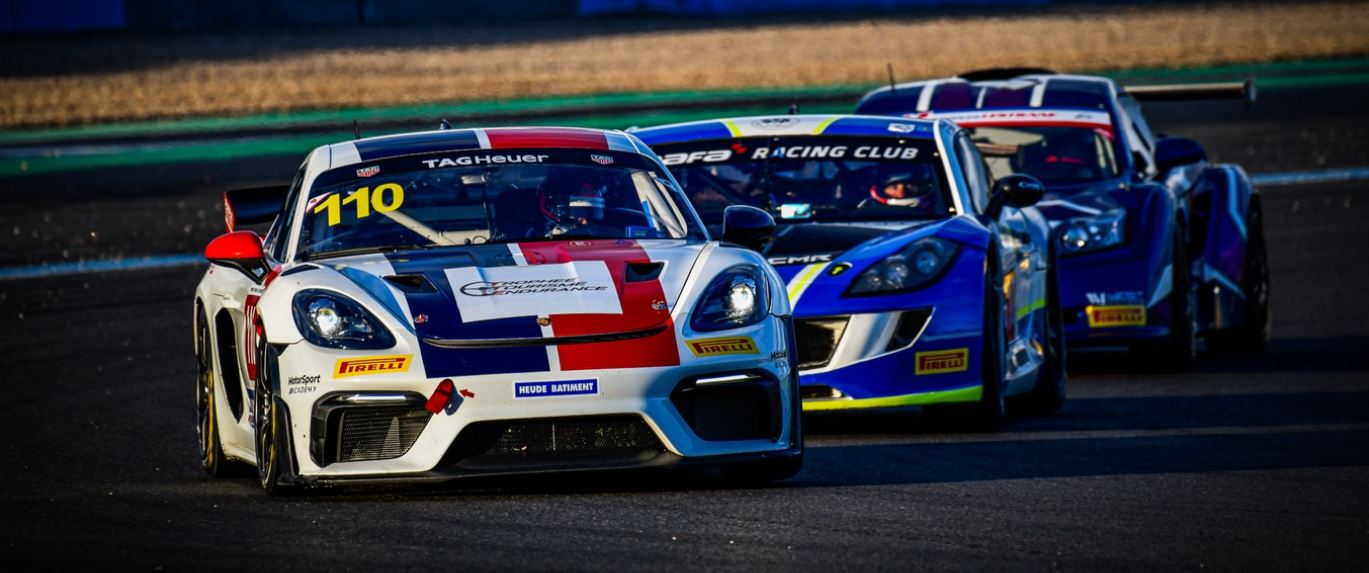
The TTE, short for Trophée Tourisme Endurance, is a well-established championship in the French motorsport landscape. Yet its structure can seem difficult to grasp at first glance. That is quite logical: behind the name “TTE,” there is not a single series, but a set of very different grids 🙂
ℹ️ Do you prefer watching a video? This article is also available in video format on YouTube, click here! 🎥
The championship brings together both endurance and sprint races, featuring a wide variety of cars. You will find accessible models such as the Peugeot 206 RPS, 208 Racing Cup, or Renault Clio Cup (across all generations), as well as significantly more performance-oriented machinery like TCR, GT4, and even some GT3 cars, along with silhouettes and prototypes in the Free categories.
This diversity is one of TTE’s key strengths. The championship is primarily aimed at amateur drivers and gentleman drivers, while over the years it has also seen many young drivers pass through before progressing to higher levels of competition.
Created in 2009, the TTE is now a national series made up of several championships focused on endurance and sprint racing. In 2026, the lineup includes three endurance championships for touring cars and GTs – TTE Pirelli Series, TTE Pirelli Light, and 208-206-TC6 Relais – as well as five sprint championships: 1300 Mitjet and Mitjet EVO, Free Racing Berline/GT, Free Proto, 208-TC6 Sprint, and Clio Pirelli Series. The entire structure is sanctioned by the FFSA.
What Is the TTE (Trophée Tourisme Endurance)?
The Trophée Tourisme Endurance can be seen as a group of circuit championships united under one organization. Unlike a traditional single-make cup, the TTE is not based on a single car or a single format, but on multiple grids with different philosophies.
It includes traditional “classic” endurance racing for touring cars and GTs, more accessible single-make or semi-single-make formulas, as well as the so-called “Free” categories, which are more open from a regulatory standpoint.
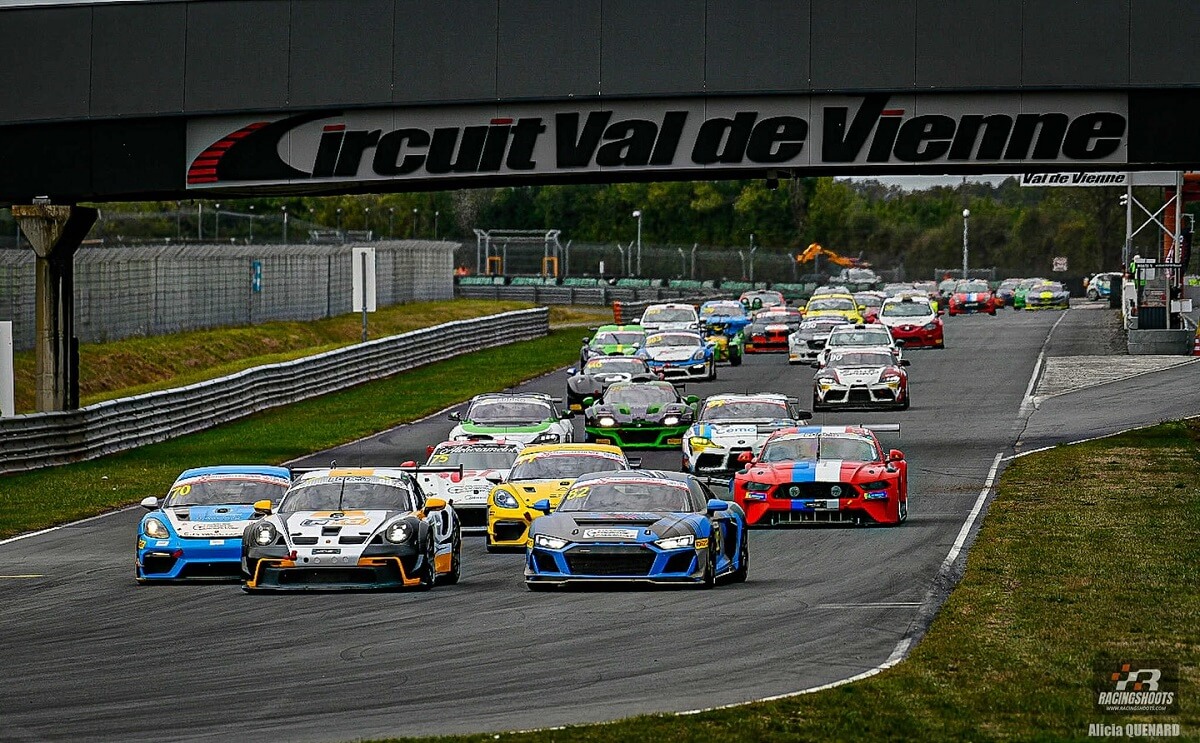
This structure makes it possible to bring together, over the same weekend, very different profiles: amateur drivers, gentleman drivers, independent teams, and more experienced outfits. Each category evolves within its own framework, while sharing the same race meetings, resulting in dense grids and a generally significant amount of track time 😋
The 2026 season also marks a symbolic return with the final round held at the Le Mans circuit. The organizers have confirmed their intention to return to this iconic venue to conclude the championship, with the awards ceremony taking place on site, in continuity with previous editions 🏁
TTE Categories in 2026
TTE Pirelli Series and TTE Pirelli Light
The TTE Pirelli Series represents the highest level within TTE for touring cars and GTs. The main format is based on 4-hour endurance races, with crews made up of 2 to 4 drivers. The TTE Pirelli Light follows a similar philosophy in a shorter format, featuring 1-hour races with 1 to 2 drivers per entry.
In both championships, Pirelli tyres supplied by Ivalto are mandatory, unless a specific exemption is granted.
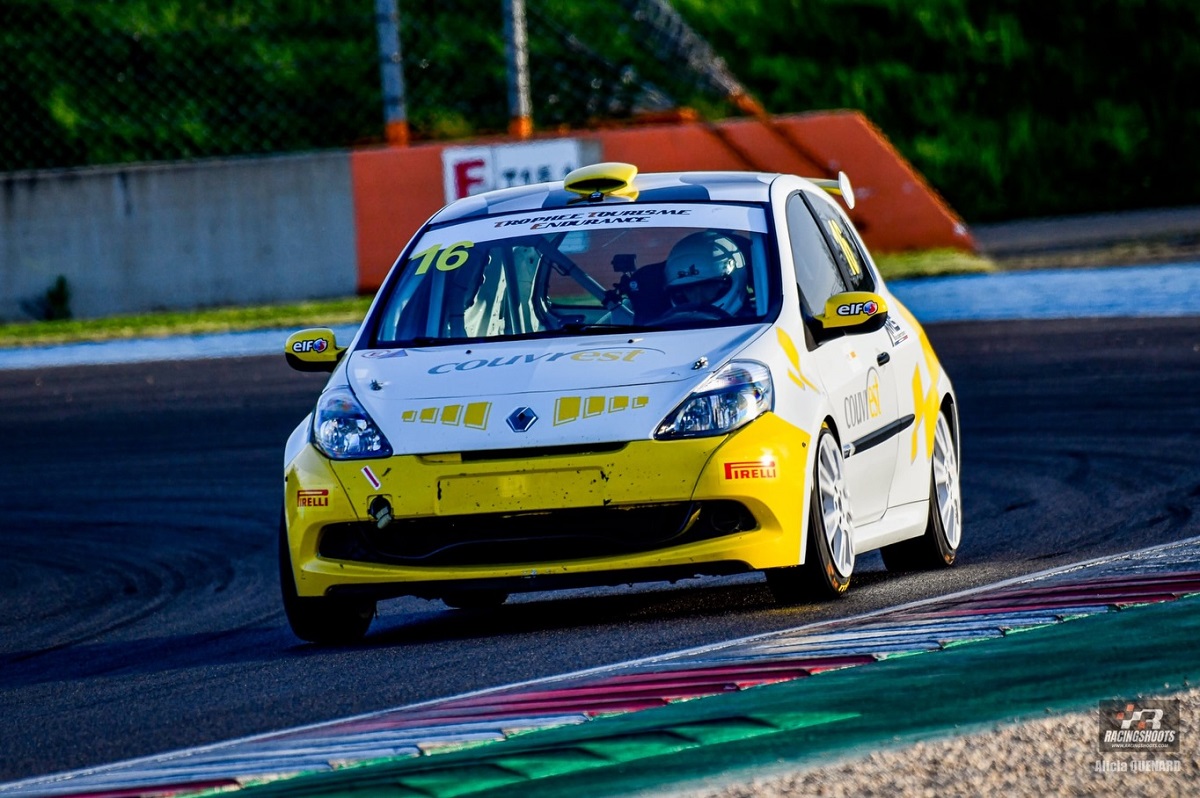
From a technical standpoint, the TTE Pirelli Series relies on several trophies that classify cars by performance level. In T1, you will notably find Renault Clio III, IV and V models as well as Mitjet 2.0 cars.
T2 welcomes more performance-oriented machinery such as the Alpine A110 Cup, Lotus Elise S1, Porsche 996, Seat Cupra MK3, TCR cars, 308 Cup, Lamera Cup, and Caterham 420R.
A specific trophy is dedicated to the Ligier JS2 R, which has its own classification. Above that, T4 groups more powerful cars such as the Ginetta G55, Lotus Exige V6, Porsche Cayman, Toyota Supra GR, Audi R8, Vortex 01, and Zulltec in TTE configuration.
Finally, a T5 category may accept vehicles that do not fit into the previous trophies, subject to organizer approval. However, these cars do not score points in the overall classification.
This grid is aimed at teams and drivers looking for a structured endurance format, featuring strategy, driver changes, refuelling, and full race management.
Without reaching the budget level of professional championships, costs nevertheless remain significant, notably due to the performance of the cars entered and the associated consumables 💸
208-206-TC6 Relais
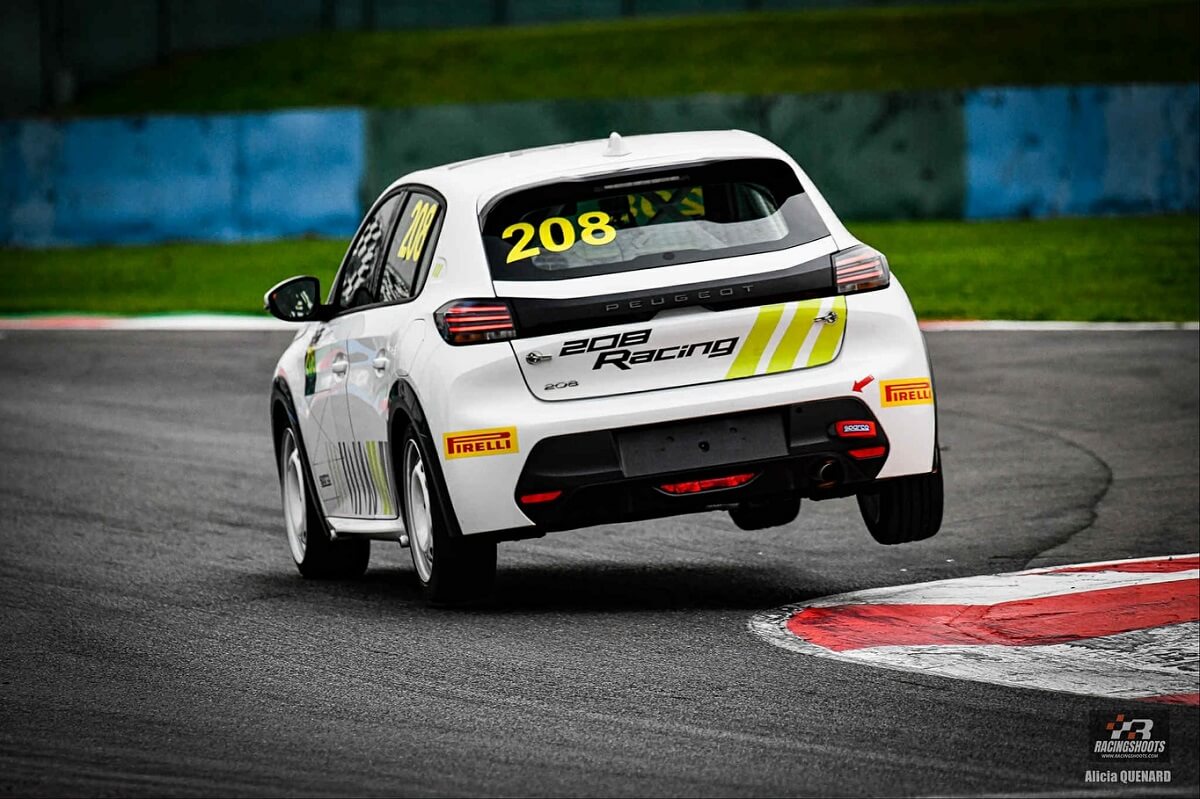
The 208-206-TC6 Relais is one of the most accessible entry points to discover endurance racing with a car that remains relatively simple to run. The format is based on 4-hour races, complemented by several private practice sessions and 40 minutes of qualifying.
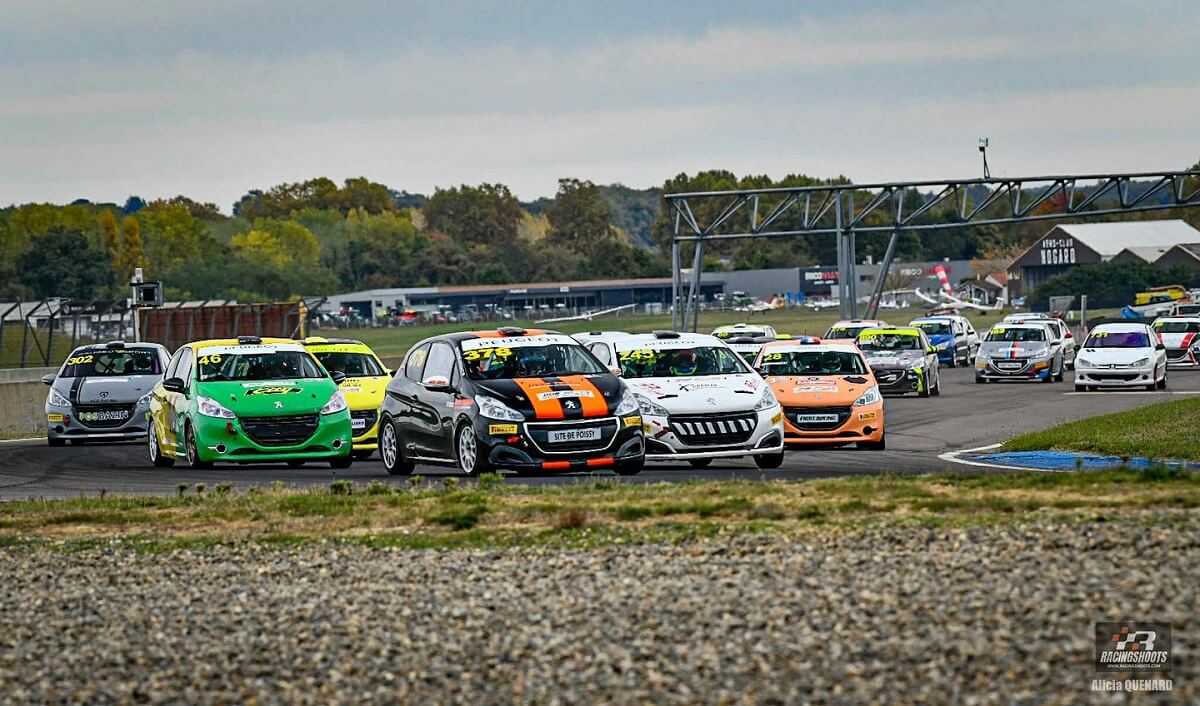
Eligible cars include the Peugeot 208 Racing Cup, Peugeot 208 Racing TC6, Lancia Ypsilon HF Racing TC6, Opel Corsa Racing TC6, as well as Peugeot 206 RPS models compliant with the Rencontres Peugeot Sport regulations, subject to approval by the technical scrutineers. The organization also requires the use of genuine Peugeot and Peugeot Sport parts.
The arrival of cars complying with the TC6 regulations in 2026 modernizes the grid, with several models developed by Stellantis Motorsport (Peugeot 208 Racing, Opel Corsa Racing, Lancia Ypsilon HF Racing), integrated with a separate classification.
It should also be noted that the Peugeot 206 benefits from its own dedicated classification.
208-TC6 Sprint
The 208-TC6 Sprint offers a more direct approach, focused on short and intense races. The format includes two qualifying sessions followed by four 25-minute races, where pure performance and consistency make the difference.
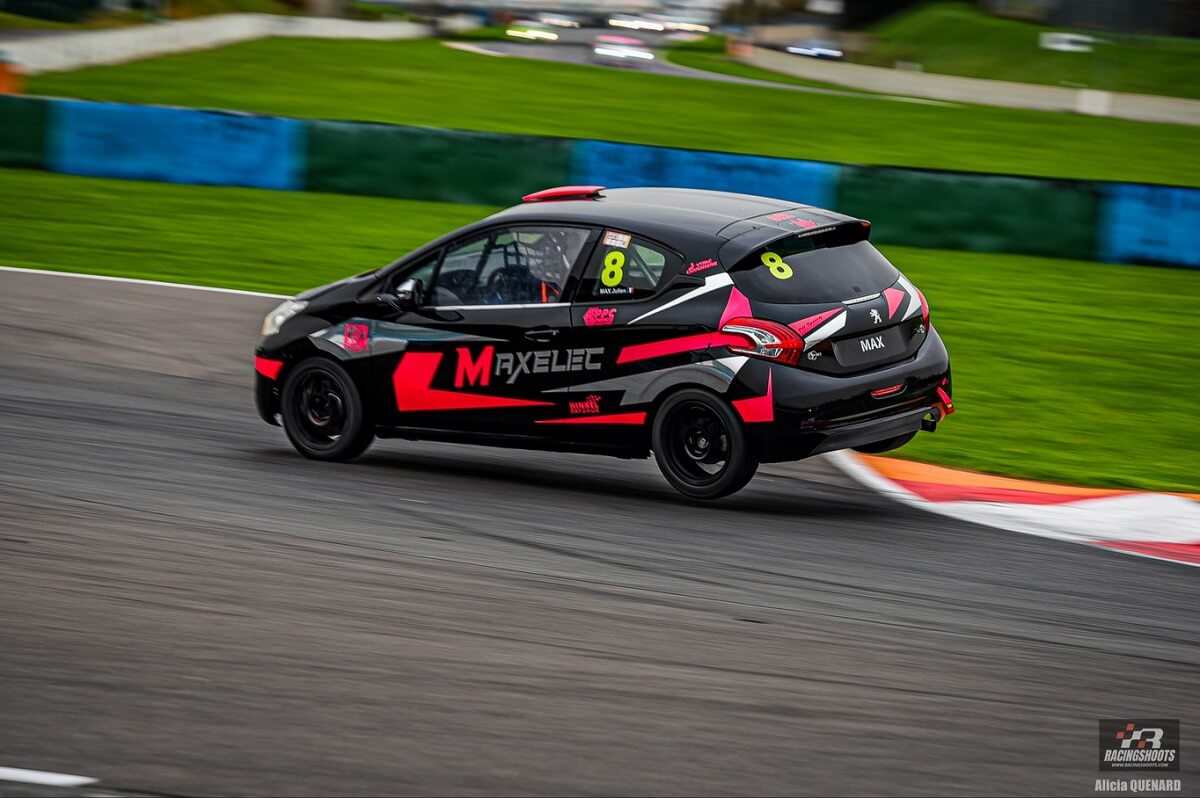
Eligible cars include the Peugeot 208 Racing Cup, as well as models complying with the TC6 regulations such as the Peugeot 208 Racing, Opel Corsa Racing, and Lancia Ypsilon HF Racing, in accordance with FIA or FFSA safety standards. This opening to TC6 cars is one of the notable developments of the 2026 season.
While not the most economical formula to purchase in its latest versions, it remains coherent, clear, and particularly educational for developing racecraft.
See also: "208 Racing Cup : motor racing on a budget"
1300 Mitjet and Mitjet EVO
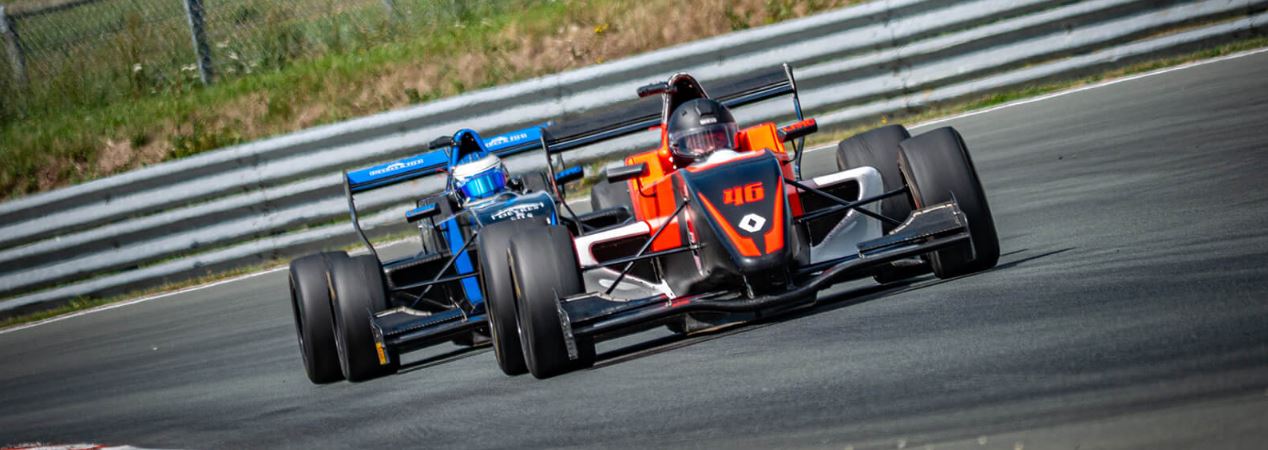
The Mitjet Trophy remains a benchmark within the TTE, with a sprint-oriented formula offering an attractive performance-to-fun ratio 👌
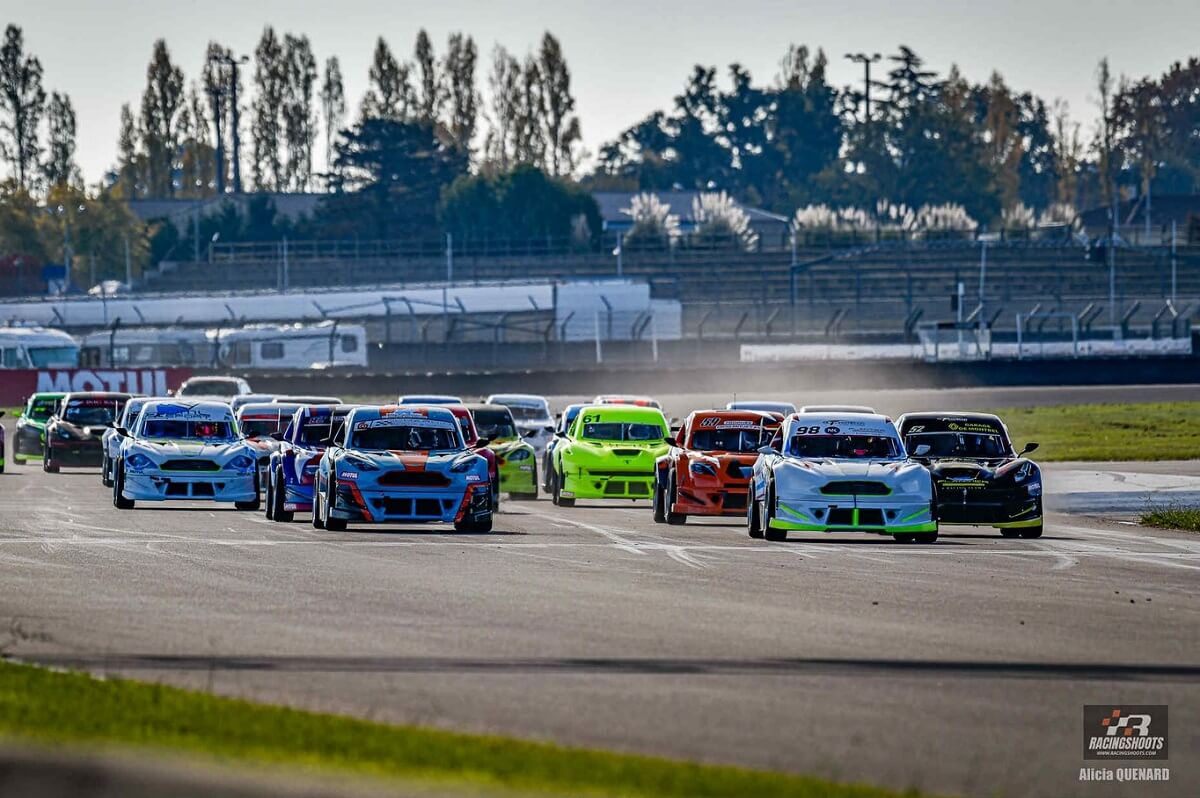
The 1300 version is based on a tubular chassis paired with a Yamaha 1300 cc engine and a sequential gearbox, producing around 150 hp for a weight close to 650 kg. The format includes private practice sessions, two 10-minute qualifying sessions, and four 20-minute sprint races.
For the 2026 season, the category evolves with the development of the Mitjet EVO, presented as a more modern and more performance-oriented version.
The engine also evolves, with a unit announced at 1400 cc.
During the off-season, TTE offered a conversion package from 1300 to EVO at €8,100 excl. VAT, including the 2026 season entry fees, valued between €5,600 and €6,300 according to official communications.
See also: "Mitjet: brand, cars, championships"
Free Racing: Touring/GT, Proto and Clio
Free Racing represents the most open part of the TTE, with a very wide variety of cars and a more flexible regulatory framework.
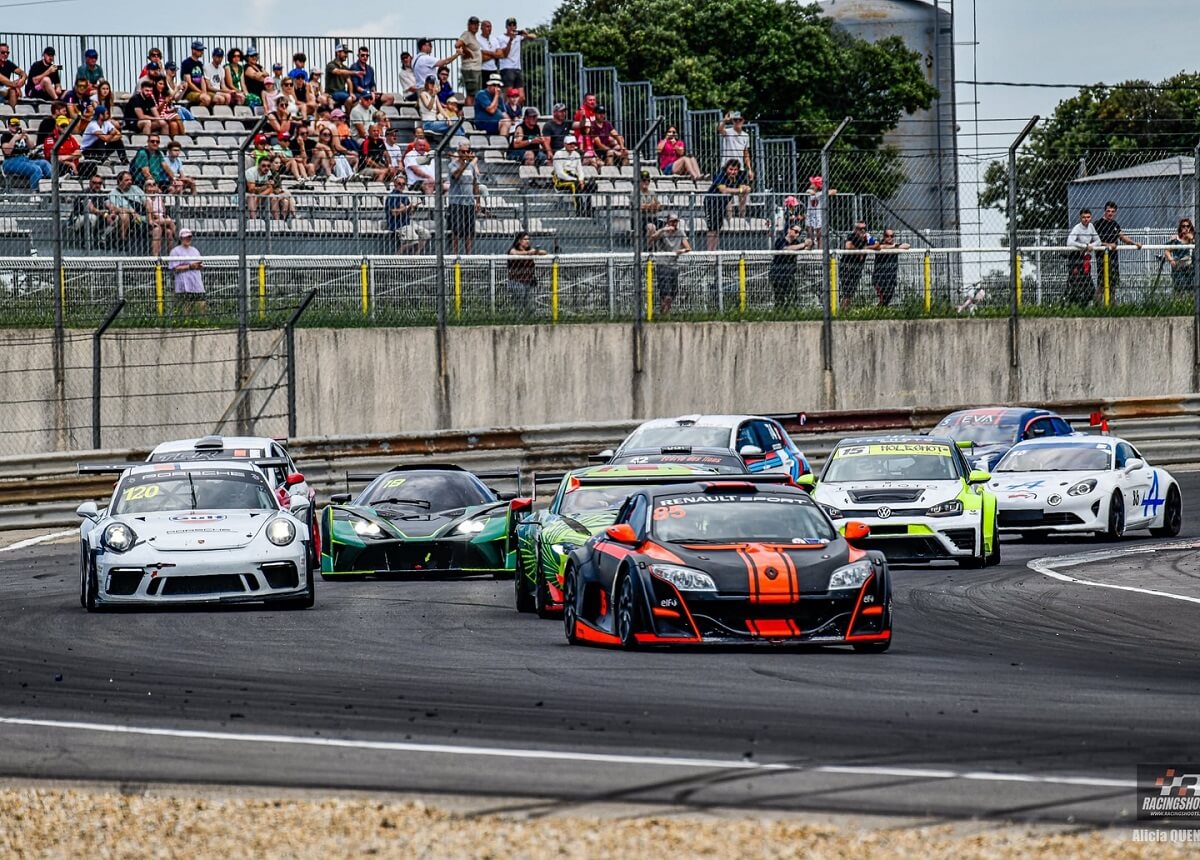
A typical meeting format includes at least two private practice sessions, one 20-minute qualifying session, two 20-minute sprint races, and one 40-minute semi-endurance race. Drivers can enter solo or share the car between two.
In Free Touring/GT, the grid is particularly broad. Eligible cars include groups N/FN, A/FA, F2000, cars from one-make cups, production-based GT cars, GT4-homologated models, as well as cars such as Lotus, Caterham, Mitjet 3.5, Lamera, Zulltec, and Vortex.
At the top end, more exclusive models such as certain Ferrari or Lamborghini cars can also be found, grouped within a dedicated GT MAX category.
The Free Proto category brings together significantly more radical cars, notably from groups C3, CN, CNF, CM, E2SC, as well as models such as the Revolution A-One, Norma NP02, Vortex 01, and Funyo SP05, under certain conditions.
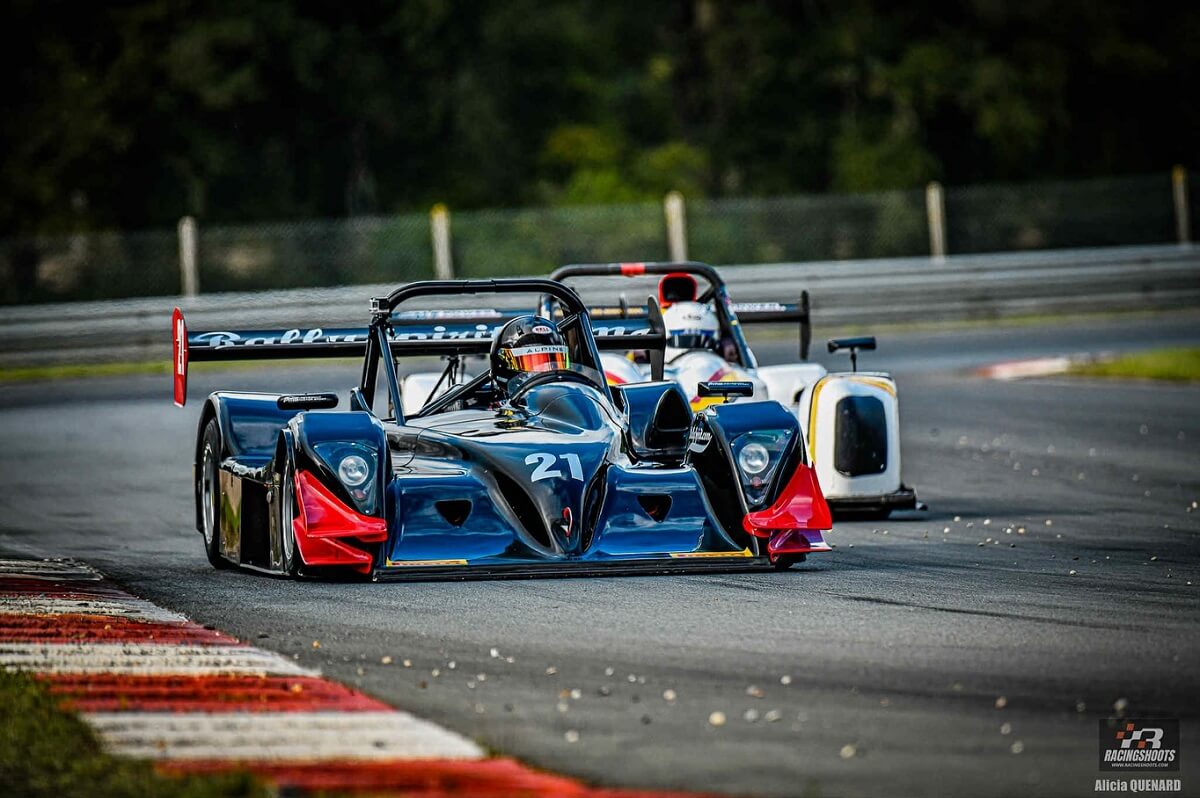
The performance level is noticeably higher, with corresponding technical and budgetary constraints.
Two separate classifications are generally established, distinguishing on one side carbon monocoque prototypes, which are more recent and higher-performing, and on the other tubular chassis cars such as Funyo, in order to preserve a degree of fairness within the grid ⚖️
Finally, the Free Clio, initially announced for the 2026 season, quickly evolved into the Clio Pirelli Series. This change is important to note, as the term “Free Clio” was widely used in early communications but no longer reflects the current official name of the championship.
Clio Pirelli Series
The Clio Pirelli Series is one of the main new features of the TTE for the 2026 season, offering an accessible sprint-oriented formula dedicated to the Renault Clio II, III, IV and V. This championship was introduced at the request of the drivers, with the aim of providing a more structured, clear, and balanced framework.
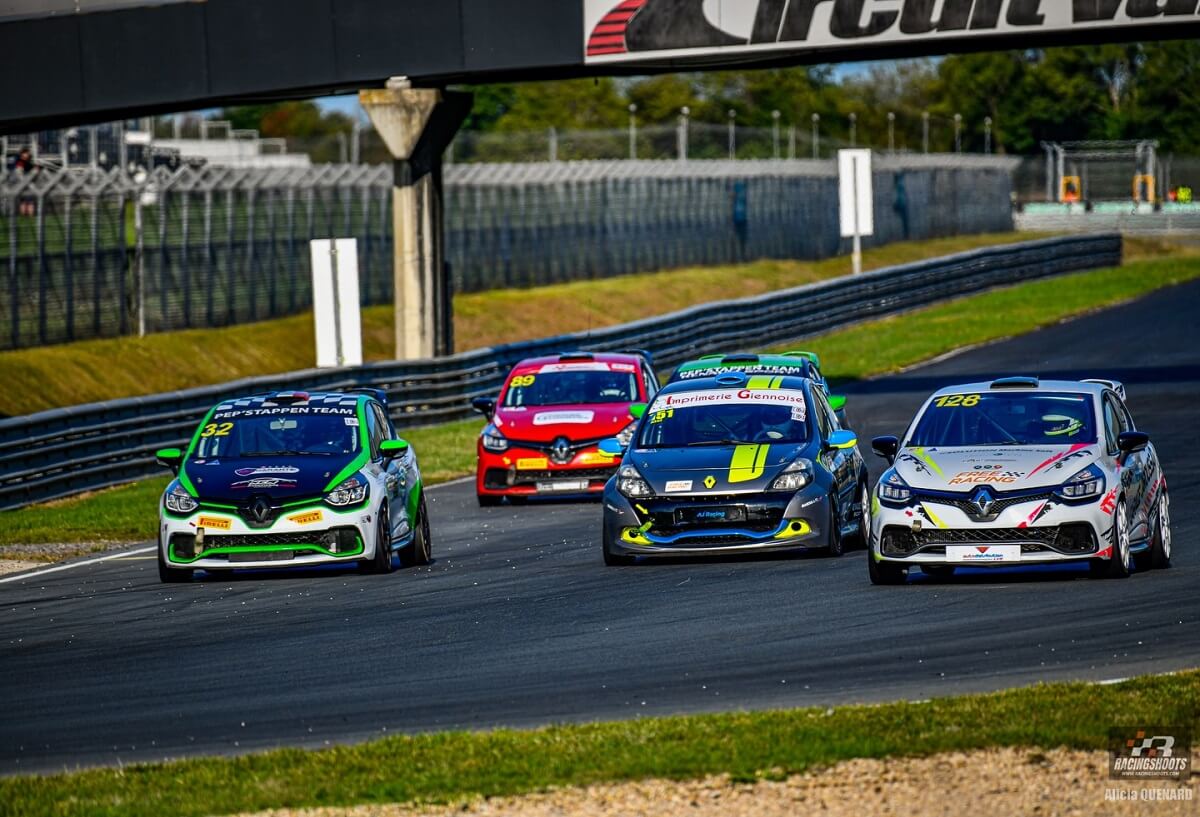
The race format varies depending on the event, with for example two 20-minute races and one 40-minute race on certain weekends. The organization also places strong emphasis on technical supervision, with the presence of technical scrutineers, a technical delegate, the use of an engine dyno, and mandatory Pirelli tyres.
Having a dedicated grid helps avoid excessive performance gaps, while maintaining a development-focused and accessible philosophy.
Which Cars Can Be Entered in the TTE?
This is a key question, and the answer is deliberately broad: TTE accepts a large number of cars, but always within a well-defined framework. Each model fits into a specific category, with its own rules and performance levels.
A Peugeot 208 Racing Cup or a 208 TC6 naturally competes in the 208-TC6 Sprint or 208-206-TC6 Relais categories. A Clio Cup car or Cup-derived model will find its place in the Clio Pirelli Series. The Mitjet 1300 and Mitjet EVO compete in the 1300 Mitjet / EVO Trophy.
For more performance-oriented or heavily modified cars, such as GTs, prepared touring cars, silhouettes, or prototypes, the Free Racing categories or the TTE Pirelli Series provide the most suitable frameworks, depending on the performance level and the applicable regulations.
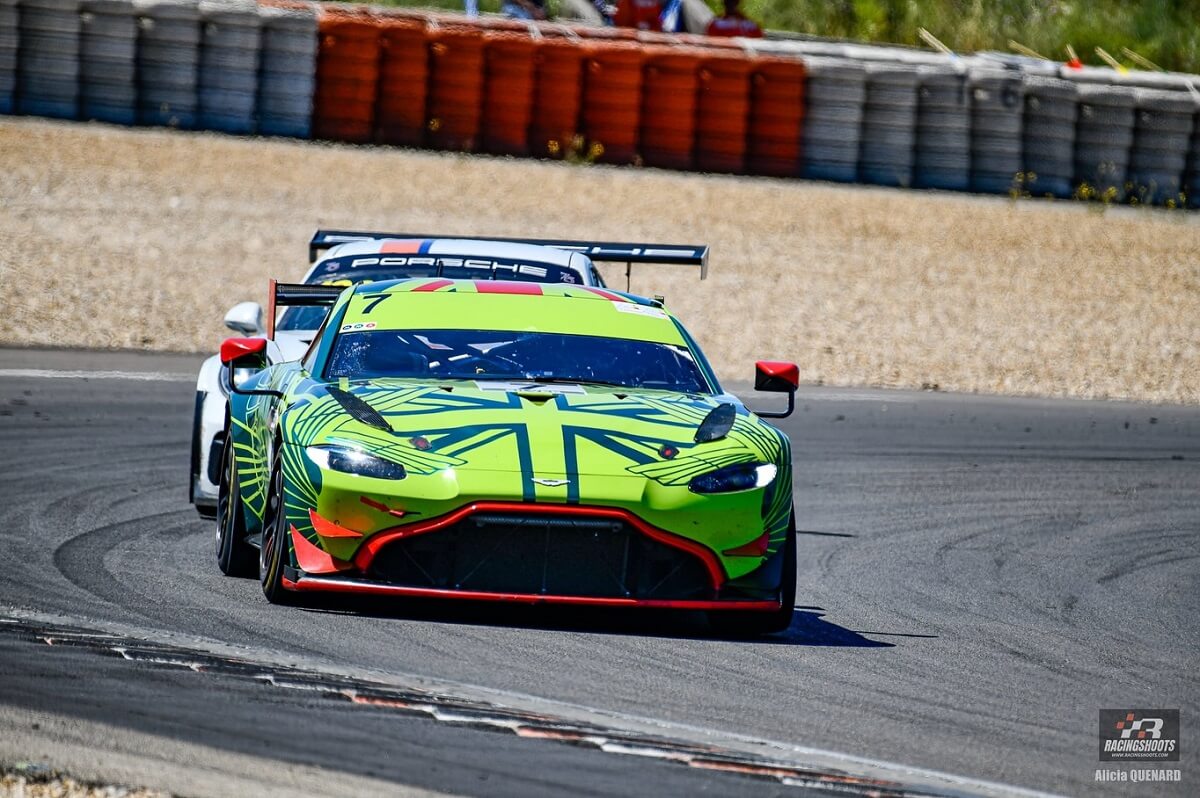
Rather than asking whether a model is generally eligible for TTE, it is more accurate to determine which category it can realistically compete in.
TTE 2026 Calendar
The 2026 TTE calendar features 10 events, including 9 race weekends and one pre-season test day. The season begins with the pre-season test at Magny-Cours on March 7, followed by the opening race meeting on the same circuit from April 10 to 12.
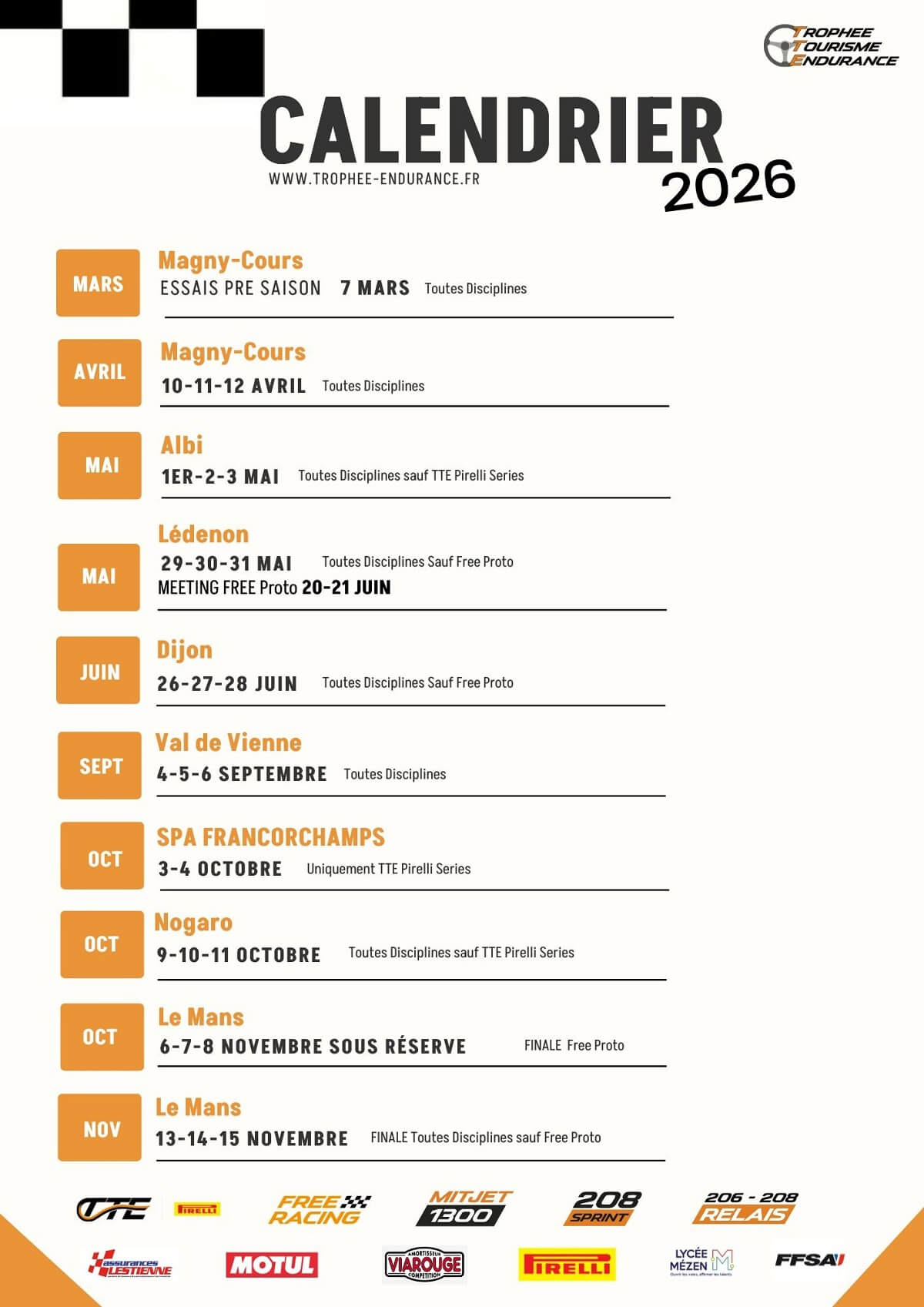
The finale marks the return of the Le Mans circuit after a year of absence due to paddock renovation works.
2026 Overall Calendar
- March 7: Pre-season testing, Magny-Cours
- April 10, 11 and 12: Magny-Cours
- May 1, 2 and 3: Albi (except TTE Pirelli Series)
- May 29, 30 and 31: Lédenon (except Free Proto)
- June 20 and 21: Lédenon (Free Proto only)
- June 26, 27 and 28: Dijon-Prenois (except Free Proto)
- September 4, 5 and 6: Val de Vienne
- October 2 and 3: Spa-Francorchamps (TTE Pirelli Series only)
- October 9, 10 and 11: Nogaro (except TTE Pirelli Series)
- November 6, 7 and 8: Le Mans Finale (Free Proto only)
- November 13, 14 and 15: Le Mans Finals (except Free Proto)
Calendar by Series: Key Takeaways
The TTE Pirelli Series runs at Magny-Cours, Lédenon, Dijon, Val de Vienne, Spa-Francorchamps and Le Mans. The TTE Pirelli Light is present at all meetings except Spa.
The 208-206-TC6 Relais, 208-TC6 Sprint, Free Touring/GT and Mitjet categories follow a similar structure, with events at Magny-Cours, Albi, Lédenon, Dijon, Val de Vienne, Nogaro and Le Mans.
The Free Proto category has a dedicated calendar, including a specific meeting at Lédenon in June and an earlier season finale at Le Mans in early November.
How Much Does It Cost to Race in TTE?
This is probably the most difficult question to answer, as there is no single standard budget for TTE. Costs vary significantly depending on the chosen category, the car entered, the number of drivers, the level of preparation, and all associated running costs.
TTE covers a very wide spectrum. Categories such as 208-206-TC6 Relais, 208-TC6 Sprint, Clio Pirelli Series or certain Mitjet classes are among the most affordable, although budget in motorsport always remains relative.
👉 Mitjet 1300: around €4,000 incl. VAT / weekend (arrive-and-drive package)
👉 Peugeot 208: €4,000 to €5,000 incl. VAT in sprint format
👉 208 Endurance: €6,000 to €7,000 incl. VAT, to be shared between 2 to 3 drivers
However, once you move away from these structured formulas, budgets become far more variable. In categories such as Free Racing or the TTE Pirelli Series, costs depend heavily on the car, the team, the selected options and the level of service.
These prices generally include entry fees, maintenance, consumables (tyres, fuel, brakes) as well as technical support, and sometimes driver coaching. In other words, turnkey race packages.
If you are running your own car, the approach is different. Entry fees must be added to operating costs such as tyres, fuel, brakes, transport, crew support and potential mechanical damage.
In this context, it is more relevant to consider TTE as a championship that is accessible in certain well-defined categories, rather than trying to establish an overall average budget.
Formulas built around Peugeot, Clio or Mitjet help keep costs under control, while the more competitive categories require significantly greater resources.
TTE Entry Fees
For drivers entering with their own car, entry fees must be added, and these vary depending on the category and the format.
As an indication, here are the main typical entry fees per meeting:
- TTE Pirelli Series: between €1,290 and €1,540 excl. VAT depending on the category
- TTE Pirelli Light: €755 excl. VAT (or €300 excl. VAT if already entered in Free Touring/GT/Clio)
- 208-206-TC6 Relais: €1,290 excl. VAT
- 208-TC6 Sprint: between €550 and €790 excl. VAT depending on the format
- Free Racing (Touring/GT/Proto/Clio): between €500 and €660 excl. VAT
- Mitjet 1300 & EVO: €925 excl. VAT
What Licence Is Required to Race in TTE?
The required licences vary depending on the category. TTE notably distinguishes between its main endurance championships (Pirelli Series) and the other more accessible grids.
Required Licences by Category
| Categories | Accepted Licences |
|---|---|
| TTE Pirelli Series / Light | ICC (A-B-C-D-E), NCC (National), NJC (16-18 years) + ICT (Guardian), TPNC(E) |
|
208-206-TC6 Relais / 208-TC6 Sprint Free Touring / GT / Proto / Clio Mitjet 1300 & EVO |
ICC (A-B-C-D-E), NCC (National), NJC (16-18 years) + ICT (Guardian), RCC (Regional), TPRC(E), TPNC(E) |
Understanding the Main Licences
Behind these abbreviations are different licence levels issued by the FFSA:
- RCC (Regional Driver Competitor): accessible licence to start racing on circuit
- NCC (National Driver Competitor): higher level allowing entry into national championships
- ICC (International Driver Competitor): required for the most demanding categories or international competitions
For young drivers:
- NJC (National Junior Circuit): licence for drivers aged 16 to 18
- ICT (International Competitor Guardian): mandatory licence for the legal representative
What Is a Participation Title?
The participation title (TPRC or TPNC) allows drivers to compete without an annual licence.
It is a temporary licence, valid for one or several events, generally issued subject to providing:
- a medical certificate
- a driving licence (depending on the case)
This is an interesting option to try a category or compete occasionally without committing to a full season.
💡 Key Takeaway
In practice, except for the TTE Pirelli Series / Light, all TTE categories remain accessible with a regional licence.
However, it is always recommended to carefully check the sporting regulations of the targeted category before entering, as conditions may vary depending on the event.
Is TTE a Good Entry Point into Circuit Racing?
TTE is a relevant option for starting or progressing in circuit racing, provided you choose the category that matches your project.
The championship allows drivers to race on well-known circuits, with varied formats and a level of accessibility often broader than some more structured championships. The atmosphere is generally friendly.
Formulas based around 206/208 or Clio provide a consistent framework for racing regularly with a relatively simple car to operate. Mitjet offers a more radical sprint approach, with a strong focus on pure driving.
The Free Racing categories allow a wide range of cars within a flexible regulatory framework, while the TTE Pirelli Series represents the reference for a more structured endurance approach with touring or GT-type cars.
TTE FAQ: Frequently Asked Questions
Where can I find TTE results and standings?
Official TTE results are available on the ITS Results platform, which also provides live timing during events. TTE also publishes standings and documents through its official channels. For a broader overview of international racing, you can also follow the latest motorsport results across different disciplines.
Is there ticketing to attend TTE events?
Access to meetings is generally free for spectators, particularly at circuits such as Lédenon or Nogaro. However, it is recommended to check specific information for each event. At some circuits, such as Dijon or Le Mans, access may be by invitation only, in which case you must contact the organiser directly.
Can you race single-seaters in TTE?
TTE no longer includes a single-seater championship in its current offering. In the past, a Formula Renault Cup was part of the programme, but it is no longer featured.
Where can I follow live coverage during events?
TTE provides online live timing, as well as detailed results via ITS Results.
Is TTE mainly sprint or endurance?
TTE combines both formats. In 2026, it includes endurance championships such as the TTE Pirelli Series, TTE Pirelli Light and 208-206-TC6 Relais, as well as sprint formulas such as the Mitjet Trophy, 208-TC6 Sprint, Free Racing and Clio Pirelli Series.
Conclusion: Should You Race in TTE?
The main strength of TTE lies in its diversity. Few championships bring together, within the same organisation, such different cars, ranging from front-wheel-drive cars from one-make cups to significantly faster GT cars and prototypes.
This is also what makes it appealing: TTE gathers a wide range of profiles, from amateur drivers to more experienced racers, within a single championship. Accessible in certain categories, it often delivers highly competitive grids on track 🔥
You can join to learn, improve or simply race regularly, all within a structured environment.
The 208-206-TC6 Relais and 208-TC6 Sprint structure the Peugeot ecosystem, the Clio Pirelli Series targets Renault models, the 1300 Mitjet / EVO offers a more radical sprint format, Free Racing opens the door to varied projects, while the TTE Pirelli Series represents structured touring/GT endurance racing.
👉 Ultimately, TTE does not fit a single profile, but rather several ways of experiencing circuit racing, with one common goal: race often, on great circuits, in an environment that is both accessible and competitive 😎
👉 To learn more about categories, regulations or the calendar, you can visit the organiser’s official website: https://www.trophee-endurance.fr/.
[VIDÉO] Racing in the Trophée Tourisme Endurance (TTE): Everything You Need to Know


I'm Robin, 36, amateur driver and internet entrepreneur. I founded GoToTheGrid (GTTG) to create an intuitive platform dedicated to motorsport enthusia... See more