

 Login
Login
 Post an ad


Formula E: the only success of electric motorsport?
By RobinB on 02 April 2026 Circuit / Race Miscellaneous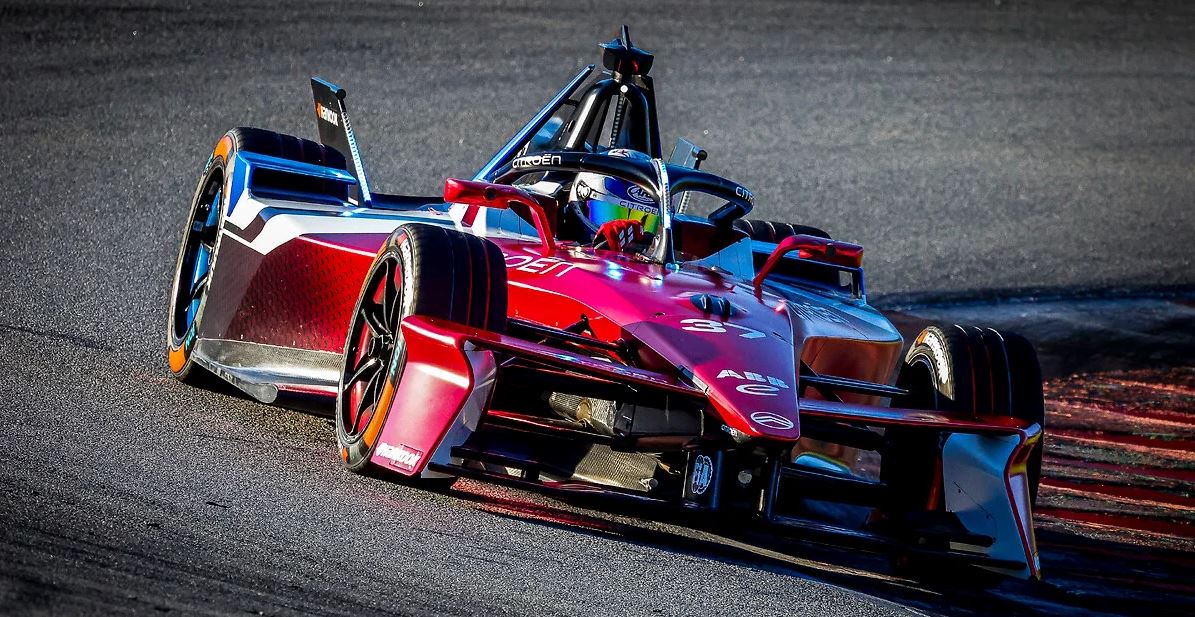
Can Electric Power Really Establish Itself in Motorsport?
Electric power is gradually establishing itself in everyday automotive use. Driven by regulations, industrial investment, and changing consumer habits, the transition is underway.
However, its pace remains uncertain. Some deadlines have already been postponed, and several manufacturers are now reassessing their strategies in response to economic, industrial, and commercial constraints.
👉 In this context, it is only logical that motorsport is also facing this shift.
For several years, initiatives have multiplied. On circuit racing, in rallycross, on ice, in off-road competition, in karting with the Rotax E20, and even in two-wheel categories, various disciplines have attempted to introduce or build fully electric formats. The objective is clear: support this technological evolution while preserving the very essence of competition.
On paper, the concept is appealing. Performance is there, technology is evolving rapidly, and the modern image fits well with the current era ⚡
In reality, the situation is more complex.
ℹ️ Despite this momentum, few electric championships have managed to establish themselves in the long term. Many remain niche, others have disappeared or are still struggling to convince organisers, manufacturers, and the public.
👉 To date, one discipline clearly stands out: Formula E.
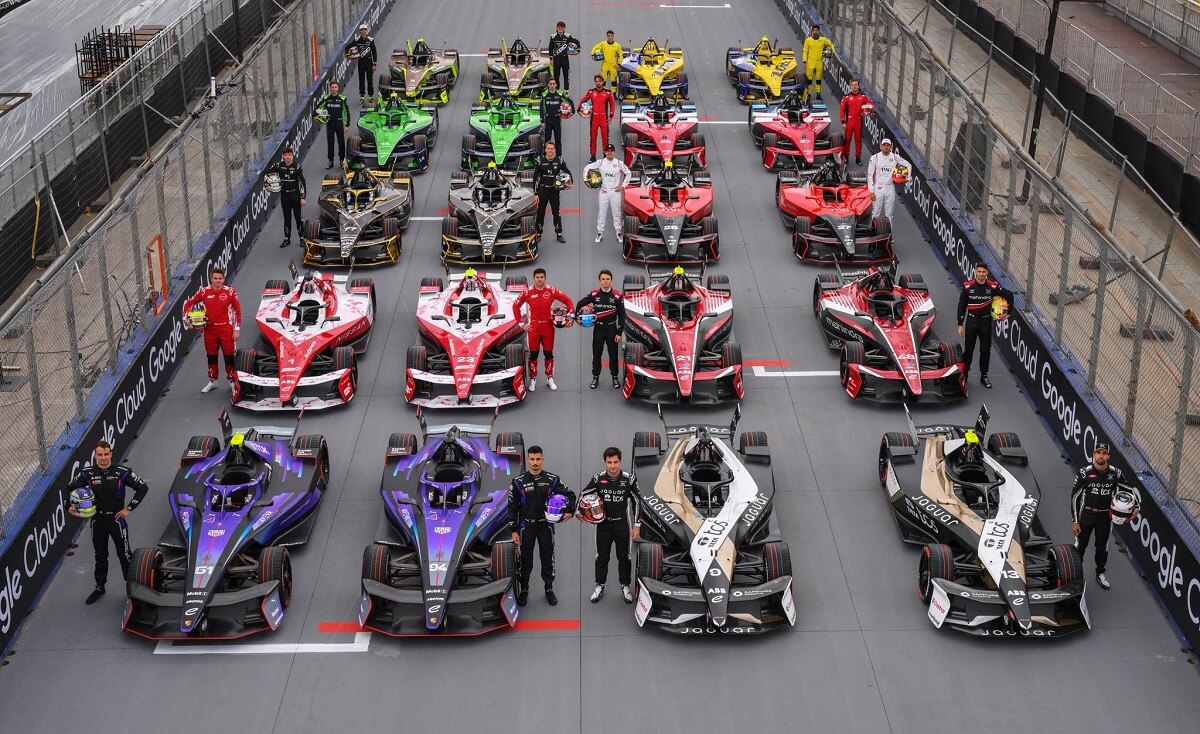
Its evolution clearly differs from that of other categories, raising a simple question: is it a truly viable model… or an exception within an ecosystem still under construction? 🤔
Formula E: A Discipline Designed for Electric Power
A Concept Tailored from the Outset
One of the main distinguishing factors of Formula E lies in its initial positioning.
Unlike other categories, it was not created as an adaptation of an existing combustion-powered championship. Launched in 2014, it was designed from the outset around the specific constraints of electric powertrains 👌
The early seasons illustrate this clearly. In its beginnings, drivers had to change cars mid-race due to insufficient battery range. What may have seemed like a limitation at the time actually helped shape the development of the discipline.
Rapid Progress in Energy and Range
Since then, progress has been significant. The current single-seaters are now capable of completing an entire race on a single battery pack, thanks in particular to improvements in energy efficiency and highly advanced energy regeneration, mainly under braking and deceleration.
See also: "Single-Seater Motorsport in France: Where and How to Race"
ℹ️ In certain conditions, this regeneration can account for up to 50% of the energy used during a race, fundamentally changing the way drivers approach driving and race management.
A Specific Race Format and Regulations
The race format has also evolved accordingly. Today, a Formula E race typically lasts just under one hour, with a predefined lap count adjusted depending on neutralisations such as Safety Car or Full Course Yellow periods.
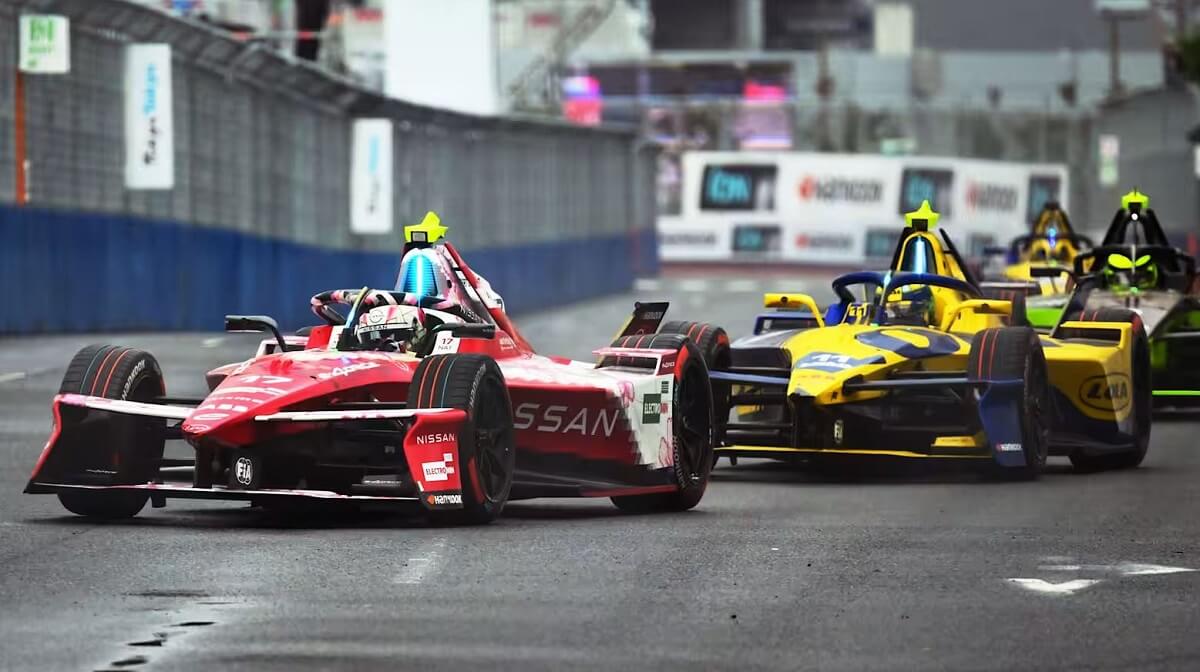
Beyond the technical aspects, everything has been designed in line with the constraints of electric racing: relatively short races, often street circuits that are slower and more technical, and a central focus on energy management 🔋
This uniqueness is also reflected in its sporting structure, with qualifying sessions organised in groups followed by head-to-head knockout duels, as well as mechanisms such as Attack Mode, which add an extra strategic dimension.
Formula E is therefore not a simple transposition of the combustion model, but a discipline with its own codes.
Attack Mode is a good example. This system forces drivers to move off the ideal racing line to temporarily activate an additional power boost.
Once again, Formula E is not trying to imitate combustion racing, but to create its own strategic and sporting mechanisms 🎯
PIT BOOST: Charging Becomes a Strategic Element in Racing
How Does PIT BOOST Work?
In this logic of adaptation, the introduction of PIT BOOST marks a new step.
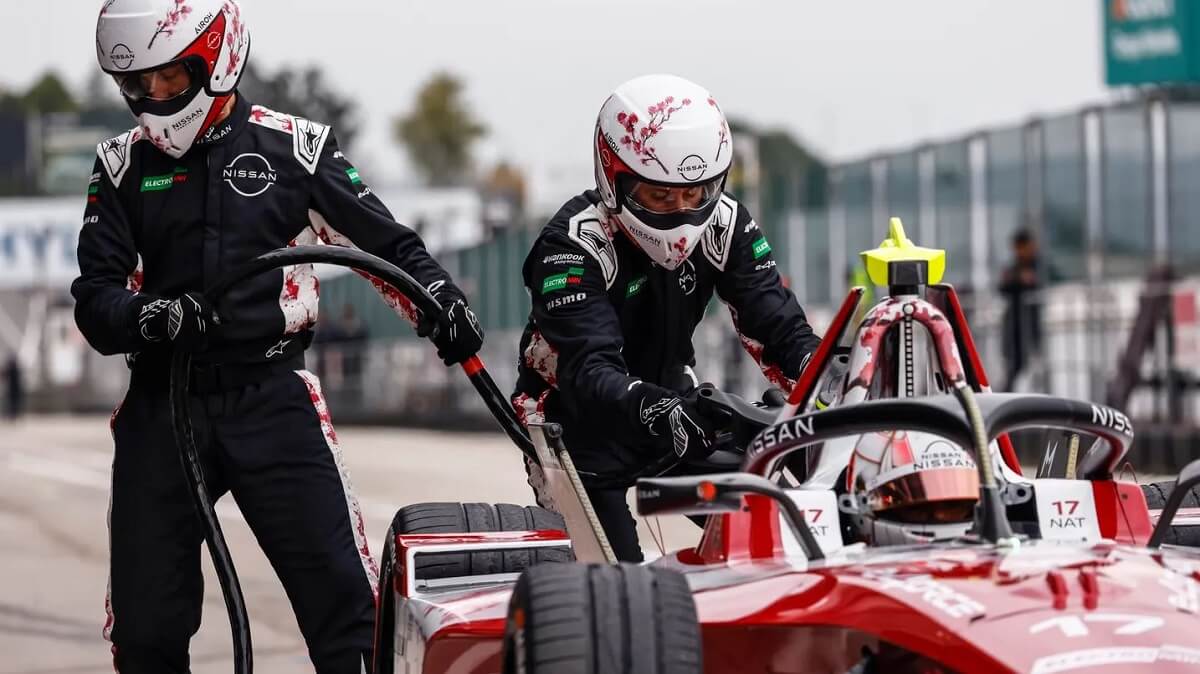
This system allows single-seaters to perform an ultra-fast recharge during the race, based on the principle of a pit stop, integrating charging as a genuine strategic element ⚡
ℹ️ In concrete terms, PIT BOOST relies on ultra-fast charging technology capable of reaching approximately 600 kW. During this stop, which lasts around 30 seconds, the cars recover roughly 10% of their battery capacity.
A Strategic Tool
This stop is not intended to “save” the race. The cars are already capable of covering the full distance without recharging. Its role lies elsewhere.
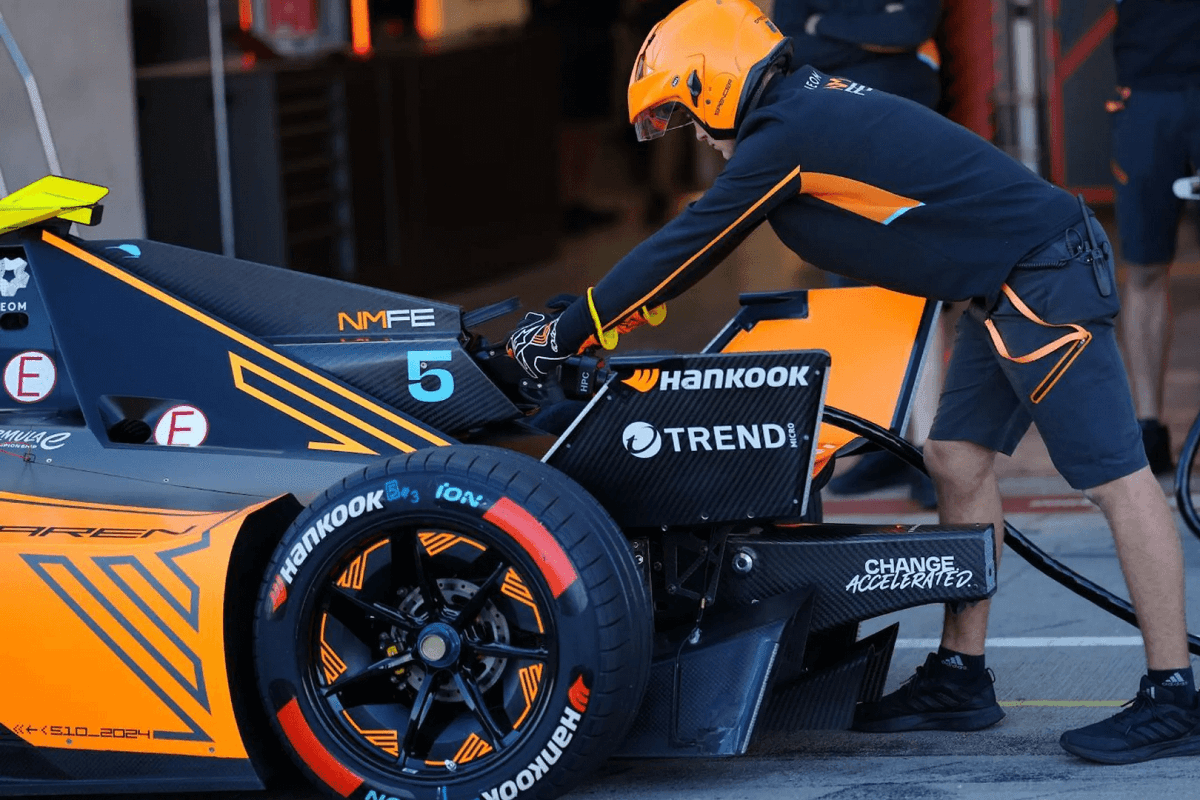
It is mandatory at certain events and must be carried out within a defined window, when the battery level falls within a specific range. This forces teams to make real strategic decisions: stop early to attempt an undercut, or wait and pursue a different approach. Much like a fuel stop, it can directly influence the final result.
A Challenge Beyond Competition
The objective is twofold: to enhance race strategy, while also turning motorsport into a development platform for technologies directly linked to real-world applications.
👉 Today, charging speed has become a central issue for electric mobility. What competition tests is also what is being developed in parallel for the general public.
In this context, the development of fast charging solutions appears as a key lever, both for competition and for everyday use.
Electric Motorsport: Why Other Disciplines Struggle to Establish Themselves
Numerous Attempts, but Fragile Foundations
While Formula E has gradually established itself, the situation is more mixed for other initiatives 😏
In recent years, several disciplines have explored the potential of electric power, each with very different approaches. But few have managed to build long-term stability.
In France, the Trophée Andros is a good example. Long regarded as the benchmark for ice racing, the championship began its transition to a 100% electric format from 2020. Despite strong on-track action and competitive performance levels, the discipline failed to sustain itself and ultimately disappeared after a few seasons in this format.
See also: "Ice Driving : Top 9 Circuits in France"
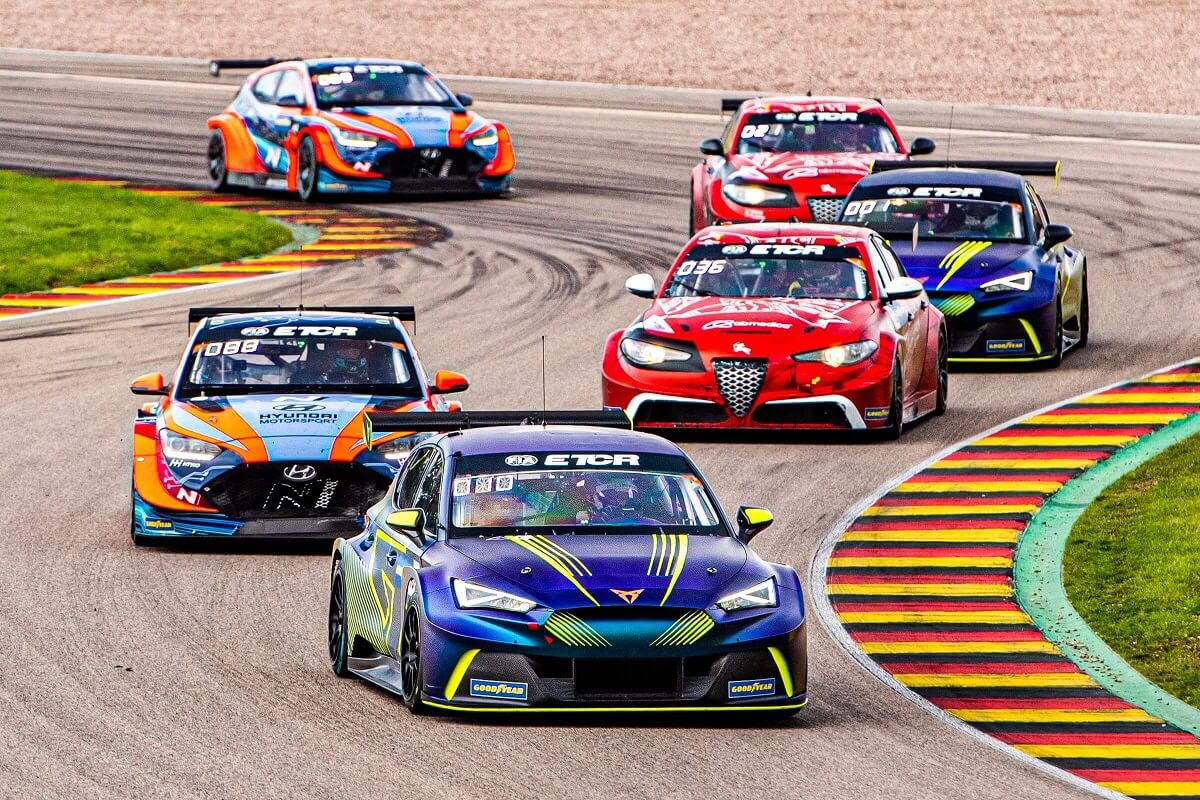
On circuit racing, the ETCR championship (later renamed FIA ETCR) was meant to represent the electric equivalent of TCR. Once again, despite impressive machinery, the series quickly disappeared due to a lack of a viable economic model and sufficient visibility.
Other formats still exist but struggle to establish themselves over the long term. In off-road racing, Extreme E introduced an original concept combining competition and environmental awareness, yet it remains relatively niche and is already moving toward a transition to hydrogen power. In rallycross, the RX1e category introduced high-performance machinery but faced several challenges, including high costs, technical incidents, and grid instability.
See also: "Extreme E becomes Extreme H: goodbye charging, hello hydrogen buggy!"
In motorcycle racing, the MotoE championship, despite being integrated into MotoGP race weekends, was placed on hold after the 2025 season. Despite strong exposure, the category failed to generate sufficient momentum, in a context where the high-performance electric motorcycle market did not grow as expected.
A Challenging Economic Model
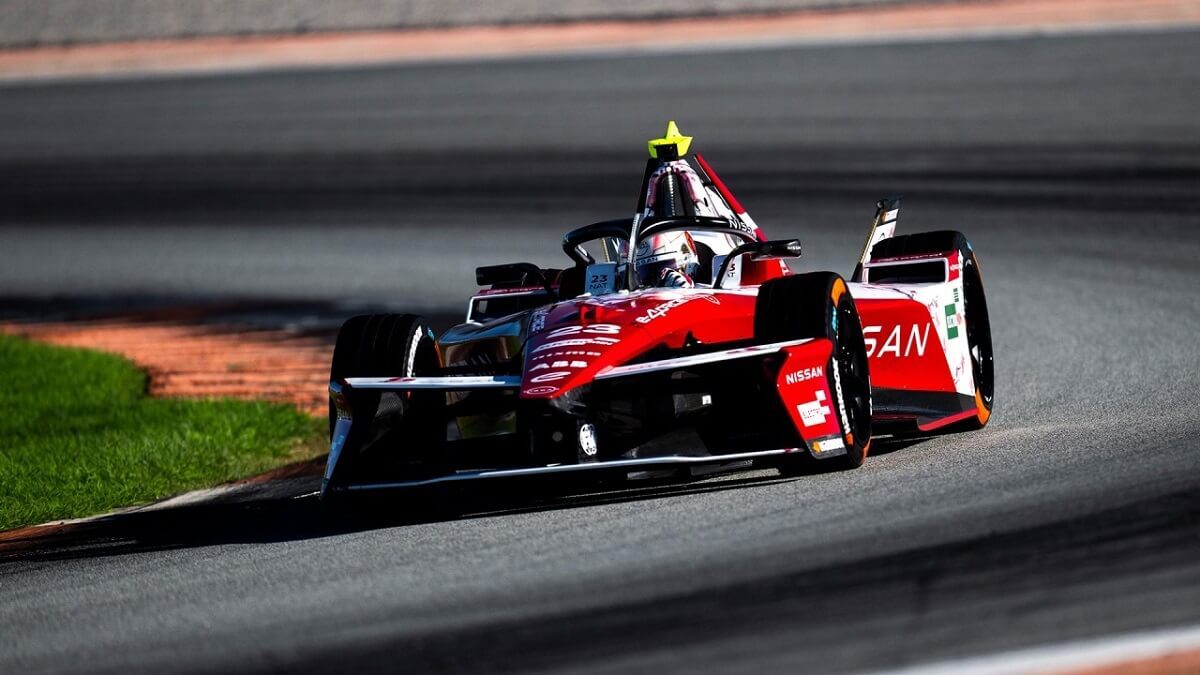
Against these examples, Formula E stands out as an exception. The championship claims international broadcasting in more than 150 countries, as well as significant cumulative audience figures over a season, supported by a highly developed digital presence. It remains far from the major historic categories, but the gap with other electric championships is clear 😲
Despite these efforts, few electric formats have found a sustainable balance. The clarity of the formats can sometimes remain complex for the public, and technical constraints continue to weigh on race design. Range and charging remain structuring parameters, still heavily limiting certain formats.
There is also a very concrete barrier: the still high cost of these technologies 💸
Electric Motorsport: High Costs Still Hindering Democratization
As is often the case with an emerging technology, costs remain high. The development of dedicated race cars, battery management, and the necessary infrastructure represent significant investments.
This is also reflected in certain categories that were intended to broaden access to competition.
In rallying, for example, a car such as the Alpine A290 Rally exceeds €70,000 brand new. A high entry price for a discipline that, on paper, might appear more accessible.
🎥 To go further: I detail the case of the Alpine A290 Rallye in this video 👉 watch the full video
At this stage, electric power therefore remains difficult to democratise in motorsport, particularly at the amateur level 💸
Why the Model of Internal Combustion Racing Doesn’t Work in Electric Motorsport
Different Energy Constraints
Beyond the individual examples, one trend stands out quite clearly: formats inherited from traditional internal combustion motorsport are difficult to transfer directly to electric racing.
In traditional disciplines, fuel refuelling is quick and relatively simple. It allows for long races, with varied strategies and a certain freedom in race management.
By contrast, electric cars remain limited by two key parameters: range and charging time. Even if performance levels are high, the onboard energy capacity remains lower than a full tank of fuel, and charging, even when rapid, is still more complex to integrate into a race scenario.
Formats That Need Rethinking
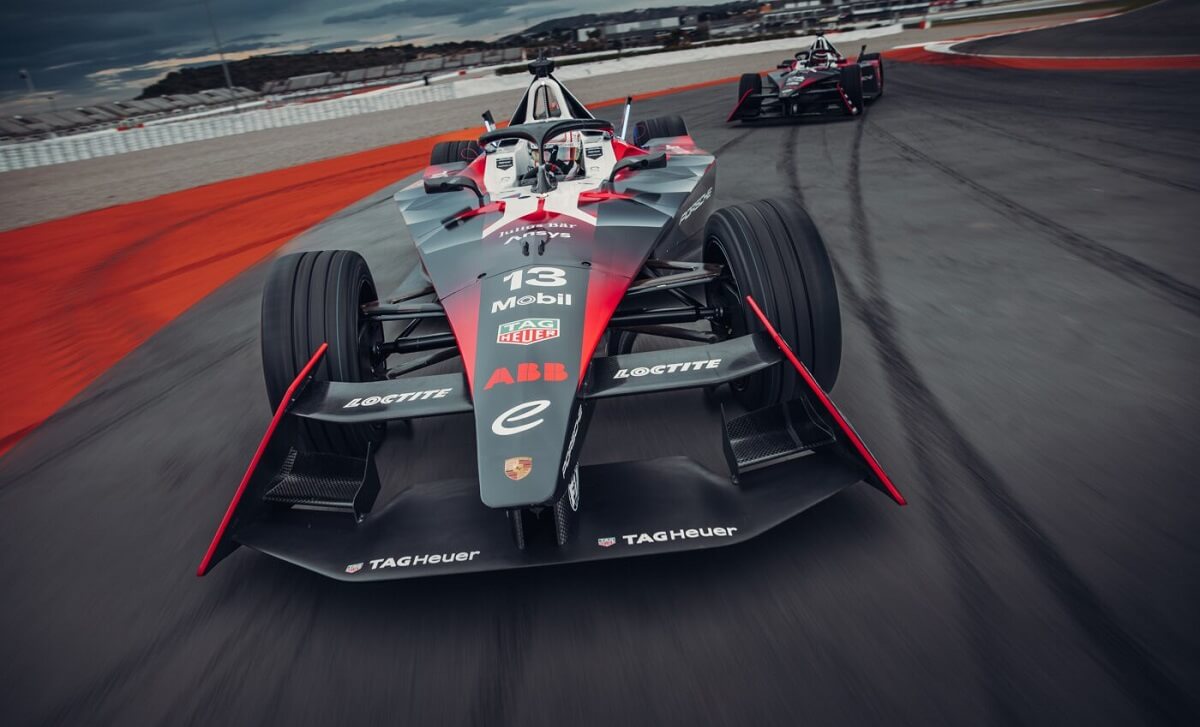
This has direct consequences: endurance formats become harder to implement, energy management takes center stage, and strategies must be fundamentally rethought.
👉 Formula E partly overcomes these constraints by offering an adapted format. Other disciplines, however, are still searching for the right balance between spectacle, technical feasibility, and economic viability.
Fast Charging: A Key Challenge for the Future of Electric Motorsport
Performance Is No Longer the Issue
As vehicle performance continues to improve, the focus is shifting.
ℹ️ Power output and acceleration are no longer real limitations. Some Formula E cars deliver extremely high performance, with acceleration comparable — or even superior over the first meters — to that of a Formula 1 car. Electric race cars have already demonstrated their ability to reach significant performance levels.
The Real Challenge: Charging
👉 The real challenge now lies elsewhere: in energy management and, above all, in charging speed.
This is precisely what the introduction of PIT BOOST highlights. More than just a format evolution, it is an indicator of the challenges ahead.
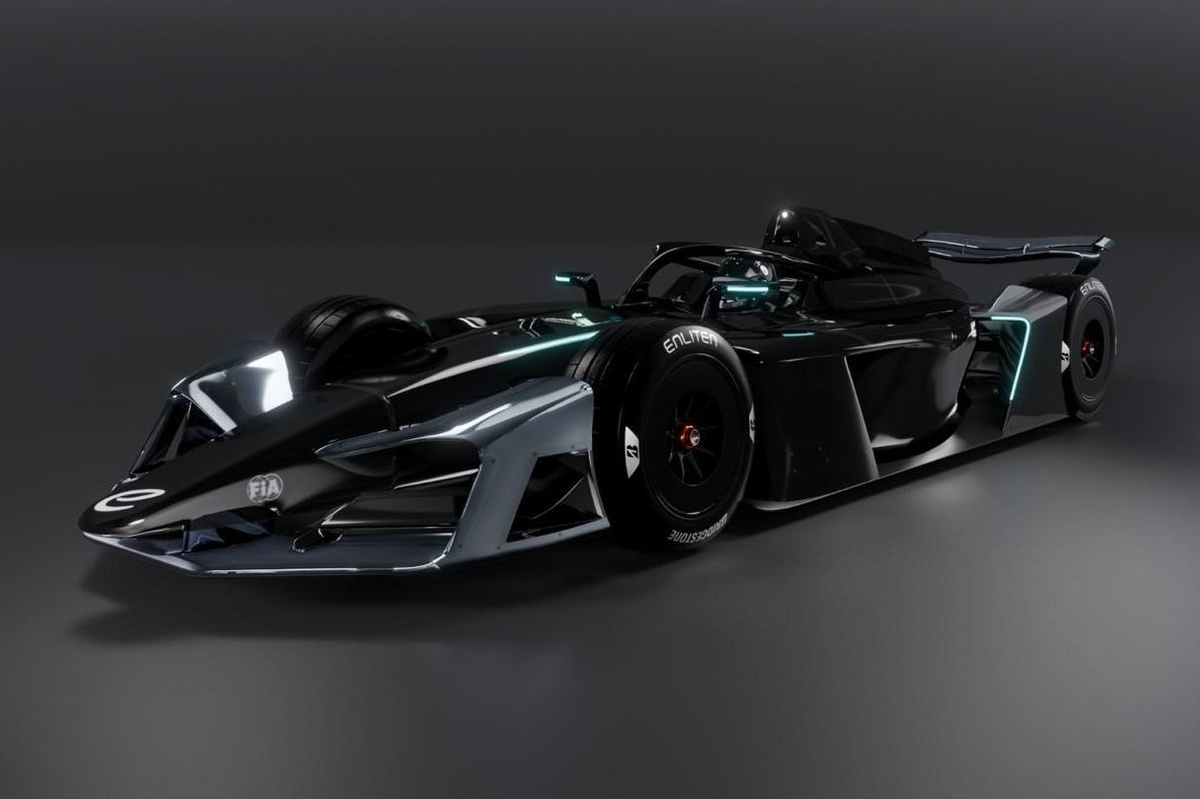
If charging technologies continue to progress, with higher power outputs and shorter stop times, new perspectives could open up. Formula E itself is already preparing the next step with the announced arrival of GEN4 from the 2026/2027 season onward, proof that the discipline continues to invest in performance, efficiency, and technological relevance 💪
Conversely, as long as this constraint remains significant, it will continue to structure — and limit — the development of electric motorsport.
However, the viability of a championship does not depend solely on technical factors. It also hinges on how the public perceives these cars and races.
The Public and Electric Racing: Between Rejection and Interest
A Lack of Emotion for Some
Part of the traditional fan base continues to reject electric racing for a simple reason: the experience is not the same. The noise, vibrations, smells, mechanical brutality, or even a certain form of imperfection are part of the DNA of motorsport as they have known it 🥺
By contrast, electric competitions offer something cleaner, quieter, and more technology-driven, but also sometimes perceived as more polished, less organic, or even soulless by some spectators.
ℹ️ The reactions seen online clearly illustrate this divide. Part of the audience continues to reject Formula E for very concrete reasons: the lack of noise, urban circuits considered unattractive, or the feeling of watching more of an energy management race than an all-out attack.
A New Way of Reading Motorsport
Conversely, other spectators highlight often close racing, a more competitive championship than F1 in certain aspects, and ultimately a discipline that is more interesting than they expected.
Formula E therefore seems to suffer as much from an image deficit as from a real gap with traditional motorsport codes.
This gap may partly explain the difficulties some disciplines face in attracting and retaining an audience.
However, this perception could evolve over time. Younger generations, less attached to traditional references, may approach motorsport differently, with a stronger focus on technology, pure performance, and energy-related challenges.
As often, change takes time.
Is Formula E an Exception… or a Model for the Future?
Today, Formula E stands out as the only electric discipline to have found a genuine international balance 😎
This success is not based solely on car performance, but on a deeper choice: adapting the competition format to the specific characteristics of electric racing, rather than trying to replicate internal combustion codes.
Conversely, the difficulties faced by other championships show that the transition remains incomplete. Between high costs, charging constraints, fragile economic models, and a public that can be hard to convince, electric racing is still searching for its place in many disciplines.
Formula E proves that electric motorsport can exist. The question remains whether this model will inspire other championships… or remain, for some time yet, an exception 🚀


I'm Robin, 36, amateur driver and internet entrepreneur. I founded GoToTheGrid (GTTG) to create an intuitive platform dedicated to motorsport enthusia... See more