

 Login
Login
 Post an ad


How Much Does It Cost to Enter Your First Rally in France?
By RobinB on 19 August 2026 Rally
How much should you budget to compete in a rally? The answer depends on the car you choose, the type of event, and the distance you need to travel. The goal of this article is to give you realistic budget estimates to help you better understand the costs involved, especially if you're planning to enter your first rally 😎
For a regional rally with a small rental car, expect to pay around €1,550 to €1,850 for the car rental and entry fee, before adding travel expenses, recce costs, meals, or accommodation. If you also need to buy your racing gear and apply for your first competition licence, your budget can already reach around €3,300 before incidental expenses, and easily exceed €3,500 in total.
If you already own your own rally car, the immediate cost of the weekend may seem lower. However, the rental fee is replaced by other expenses such as tyres, fuel, maintenance, transporting the car, and service equipment.
👉 In this article, we'll therefore distinguish between two scenarios:
- competing in a rally with a rental car;
- competing in a rally with your own rally car.
Before that, there are several expenses that are common to almost every crew 💶
FFSA Licence: How Much Should You Budget?
To compete in a modern timed rally in France, both the driver and the co-driver must hold a valid FFSA competition licence.
In 2026, the RCC Regional Licence costs €275 through the FFSA. It allows drivers to compete in regional rallies and co-drivers to take part in national rallies. To drive in a national rally or a round of the French Rally Championship, you'll need the NCC National Licence, which costs €470.
⚠️ However, there's one important detail: the price listed by the FFSA is not the total amount you should budget for ❗
You must also join an ASA (Automobile Sport Association), the local club through which your licence is issued. Membership fees vary depending on the club, but they generally add a few dozen euros to the total.
In practice, you should therefore budget approximately:
| Licence Type | FFSA Fee | Estimated Budget Including ASA Membership |
|---|---|---|
| RCC Regional Licence | €275 | around €320 to €360 |
| NCC National Licence | €470 | around €515 to €550 |
These costs apply per person. If both the driver and co-driver are competing for the first time, each of them will need to purchase their own licence.
Can You Buy a Licence for Just One Weekend?
This is a common question, especially for drivers who simply want to experience rallying for the first time.
The FFSA does offer temporary participation permits for certain disciplines. However, there is currently no one-event participation permit allowing you to compete in a modern timed rally.
👉 Even if you're planning to enter just one regional rally during the year, you'll still need to purchase an annual licence.
Choosing the Right ASA Can Save You Money
Most competitors naturally join the ASA closest to where they live. However, if you already know which rallies you plan to compete in, it's also worth looking at the clubs that organise those events.
Some ASAs offer discounted entry fees for their own licence holders. Depending on the event, the saving can range from a few dozen euros to a much more substantial discount 😋
💡 It's not guaranteed, but before applying for your first licence, it's worth comparing ASA membership fees and any benefits offered by the different clubs.
Driver and Co-Driver Safety Equipment
Another essential investment is your safety gear.
You'll typically need:
- an FIA-approved helmet, fitted with a communication system compatible with the car's intercom;
- a HANS device;
- a racing suit;
- a balaclava;
- FIA-approved underwear and socks;
- racing boots;
- racing gloves for the driver.
Costs can rise quickly with top-end equipment, but there's no need to start with a custom-made suit or a carbon-fibre helmet 😉
By purchasing new, FIA-approved entry-level equipment, a realistic budget today is around €1,300 to €1,500 per person.
💡 You may be able to reduce the cost by taking advantage of promotions or buying some equipment second-hand. If you do, pay close attention to homologation, overall condition, and the validity period of the equipment.
🏁 Need to gear up for your first rally?
Helmets, HANS devices, racing suits, boots, gloves and FIA-approved underwear: discover a wide selection of motorsport equipment from our partner ORECA Store 👇
👉 The good news is that this is a one-time investment—you won't need to replace everything before every rally.
Rally Entry Fees
Once you've sorted your licence and safety equipment, you still need to enter the event and pay the entry fee.
Entry fees vary depending on the rally and the organiser, but here are some typical figures:
| Rally Type | Typical Entry Fee |
|---|---|
| Regional Rally | around €300 to €350 |
| National Rally | around €600 to €650 |
| French Rally Championship Round | around €1,250 to €1,300 |
Additional charges may apply on top of the entry fee, particularly for the mandatory GPS tracking system used during the event.
The difference between a regional rally and a national rally is not limited to the entry fee. The competitive mileage also increases significantly: a regional rally typically features 30 to 40 km of special stages, whereas a national rally can easily exceed 100 km of special stages.
More competitive mileage also means higher costs in several other areas, including fuel, tyres and maintenance. National rallies usually require more recce, often take place over several days, and may be held much farther from home, increasing travel, accommodation and meal expenses.
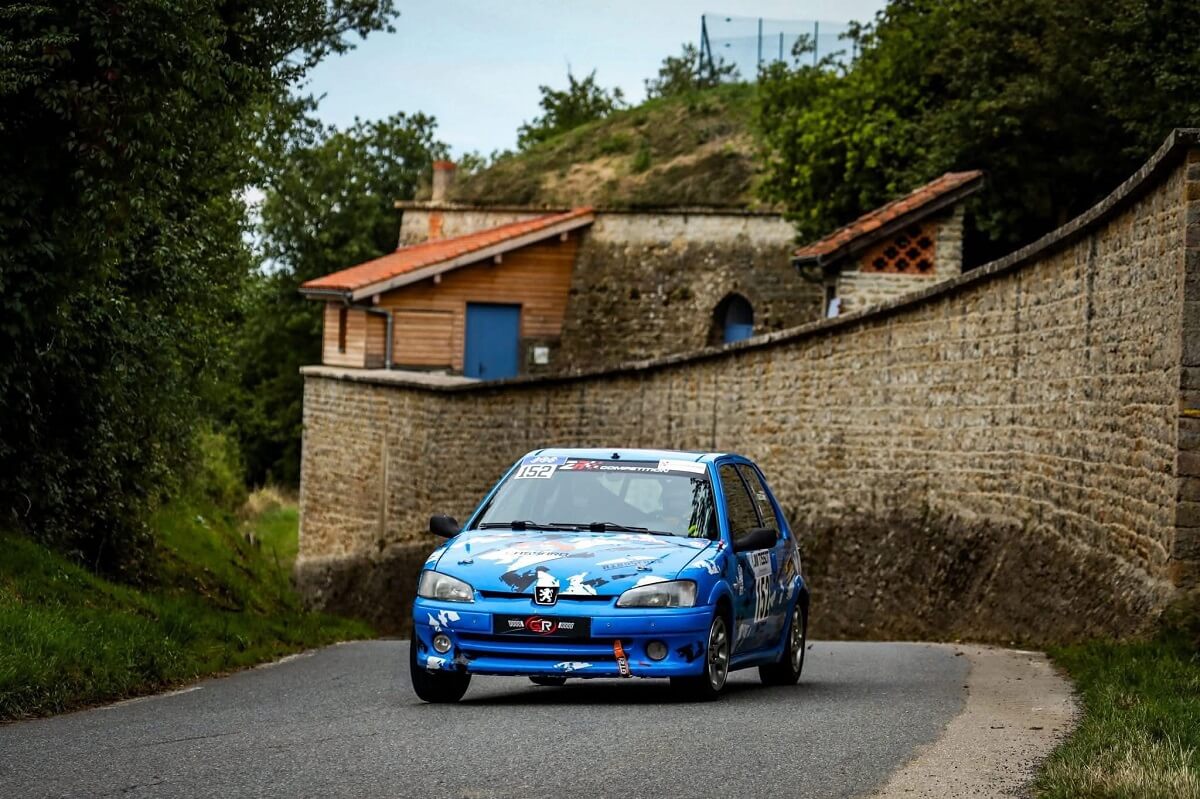
Recce and Travel Expenses
These are the hardest costs to estimate, as they depend largely on where you live and where the rally takes place 🗺️
Competing in an event located 30 km from home is obviously very different from travelling 500 km to a rally.
You should budget for:
- fuel for the recce car;
- travel to and from the rally;
- any motorway tolls;
- meals during recce and throughout the rally weekend;
- accommodation.
For a small rally close to home, you may be able to sleep at home each night and keep these expenses to a minimum. On the other hand, a more distant event can quickly require one or more hotel nights, several tanks of fuel, and meals over multiple days.
Many amateur crews share some of these costs between the driver and co-driver. The entry fee may also be split, although there is no standard rule—each crew decides how to organise its budget.
💡 This is where it's easiest to save money: share a hotel room, stay with friends or family, prepare some meals in advance, or choose rallies close to home.
How Much Does a Rally Cost with a Rental Car?
For a first rally, renting a car is often the simplest solution.
You don't need to buy a rally car straight away, worry about storage or transportation, build up a stock of spare parts, or deal with maintenance between events. Depending on the package, rally service and technical support may also be included.
It's an excellent option if you want to discover rallying or only plan to compete in a few events each year. You can also browse the rally cars currently available for rent on GoToTheGrid. Renting also allows you to try different cars before deciding to buy one.
For beginners, a regional rally is usually the most affordable choice: competitive mileage is lower, recce is less demanding, and the overall organisation of the weekend is generally much simpler. By choosing an event close to home, you can also keep additional expenses to a minimum.
Here are some typical rental prices we currently see in France for entry-level rally cars:
| Category | Example Cars | Regional Rally | National Rally |
|---|---|---|---|
| N1 | Citroën AX Sport, AX GTI, Peugeot 106 XSI, 106 Rallye, Peugeot 205 Rallye | approx. €1,200 | approx. €1,800 |
| N2S / N2 Production | Citroën Saxo VTS, Peugeot 106 S16, Peugeot 206 S16, Honda Civic… | approx. €1,200 | approx. €1,800 |
| N2 | Citroën Saxo VTS, Peugeot 106 S16, Honda Civic… | approx. €1,500 | approx. €2,500 |
| Rally6 | Peugeot 208 Racing, Clio Rally6, Opel Corsa Rally6, Lancia Ypsilon HF Racing… | approx. €2,500 | approx. €4,000 |
| Rally5 | Renault Clio Rally5, among others | approx. €3,500 | approx. €5,500 |
These prices are indicative and include VAT. They can vary significantly depending on the rental company, the car, the event, and above all, the services included in the package.
See also: "How much does it cost to hire a rally car ?"
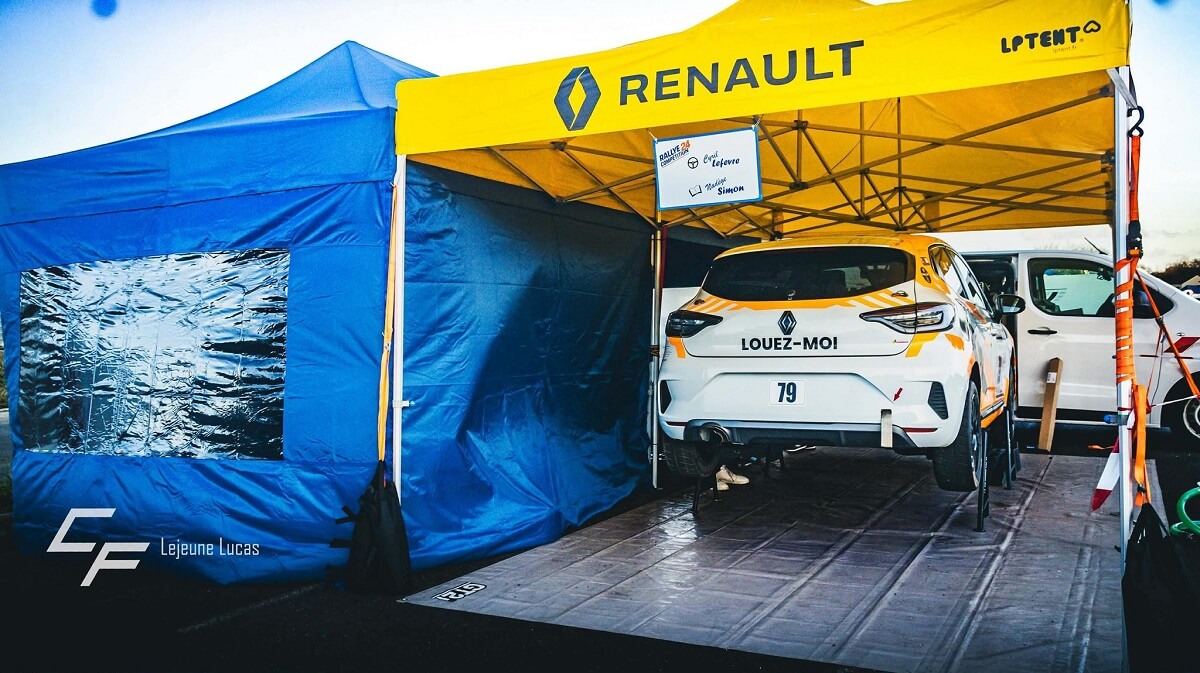
Pay Close Attention to What's Actually Included in the Rental
Comparing two rental offers based solely on the advertised price can be misleading.
Depending on the rental company, the package may include:
- the rally car;
- service support during the rally;
- transportation of the car to the event;
- race fuel;
- tyres;
- wear parts;
- meals for the service crew.
On the other hand, some of these items may be charged separately. That's why it's important to check exactly what's included before making a booking.
Tyres are a particularly important point to verify. For entry-level rally cars, the most affordable rental packages are generally offered with used tyres that still provide more than enough performance for an amateur crew. Brand-new tyres or additional sets are often billed as extras.
You should also check whether race fuel and service crew meals are included. Depending on the rental company, these costs may either be covered by the package or remain the responsibility of the crew.
💡 A €1,500 rental with very few extras can ultimately cost less than a package advertised at €1,200 once several additional charges have been added.
⚠️ Finally, a security deposit is almost always required by the rental company. It may cover all or part of the costs resulting from an off-road excursion, an accident or mechanical damage for which you are responsible. Depending on the car, the deposit can amount to several thousand euros. Before signing the agreement, make sure you understand the amount of the deposit, any applicable excess, and exactly which damages remain at your expense.
Some Typical Rental Budgets
If the driver already has a licence and all the required safety equipment, here are some example budgets covering only the car rental and the rally entry fee:
| Example | Car Rental | Entry Fee | Minimum Budget |
|---|---|---|---|
| Regional Rally – N1 | €1,200 | ~€350 | ~€1,550 |
| Regional Rally – N2S / N2 Production | €1,200 | ~€350 | ~€1,550 |
| Regional Rally – N2 | €1,500 | ~€350 | ~€1,850 |
| Regional Rally – Rally6 | €2,500 | ~€350 | ~€2,850 |
| Regional Rally – Rally5 | €3,500 | ~€350 | ~€3,850 |
| National Rally – N2 | €2,500 | ~€600 | ~€3,100 |
| National Rally – Rally6 | €4,000 | ~€600 | ~€4,600 |
| National Rally – Rally5 | €5,500 | ~€600 | ~€6,100 |
These figures are intended as rough estimates. You'll still need to budget for recce, travel, motorway tolls, meals, accommodation, and any extras not included in the rental package.
⚠️ The rental company's security deposit is not included in these budgets, as it should normally be refunded. However, you must be able to tie up that amount temporarily and understand exactly under which circumstances it may be retained 😕
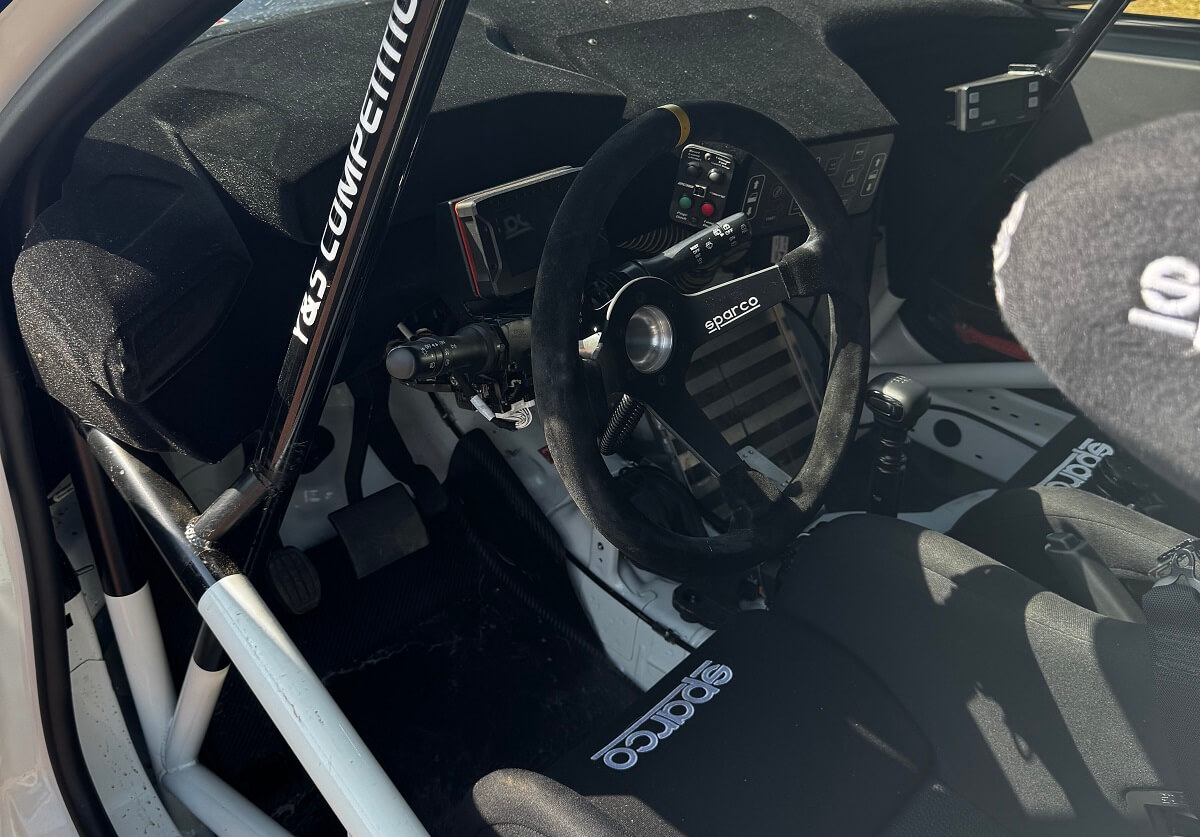
What About Your Very First Rally?
Let's take the example of a driver starting completely from scratch, accompanied by a co-driver who already holds a licence and owns all the required equipment:
- car rental (a small N1 or N2 Production car): around €1,200;
- regional rally entry fee: around €350;
- regional competition licence + ASA membership: around €340;
- complete safety equipment: around €1,400.
That already brings the budget to around €3,300, before adding recce fuel, travel expenses, meals and, if required, accommodation.
This clearly illustrates the difference between the advertised cost of renting a rally car and the actual budget needed to compete in your first rally. On the other hand, since the licence and safety gear have already been purchased, the cost of a second rally drops significantly.
What If You Own Your Own Rally Car?
At first glance, owning your own rally car may seem much cheaper: there's no rental fee to pay for every event.
In reality, the expense doesn't disappear—it simply changes form.
You now have to cover the following costs yourself:
- tyres;
- fuel;
- wear parts;
- maintenance;
- transporting the car;
- any repairs.
And, of course, don't forget the initial investment required to buy the car, along with the equipment needed to transport, maintain and run it.
See also: "Getting started in rallying : Buying your first race car"
For someone planning to compete in several rallies each season, buying a car can eventually become the more cost-effective option, especially with a simple, reliable and inexpensive-to-run N1 or N2 Production car. Once the car has been purchased and prepared, the initial investment is spread across an increasing number of events 👌
👉 You can browse the rally cars currently for sale on GoToTheGrid to get an idea of typical purchase prices.
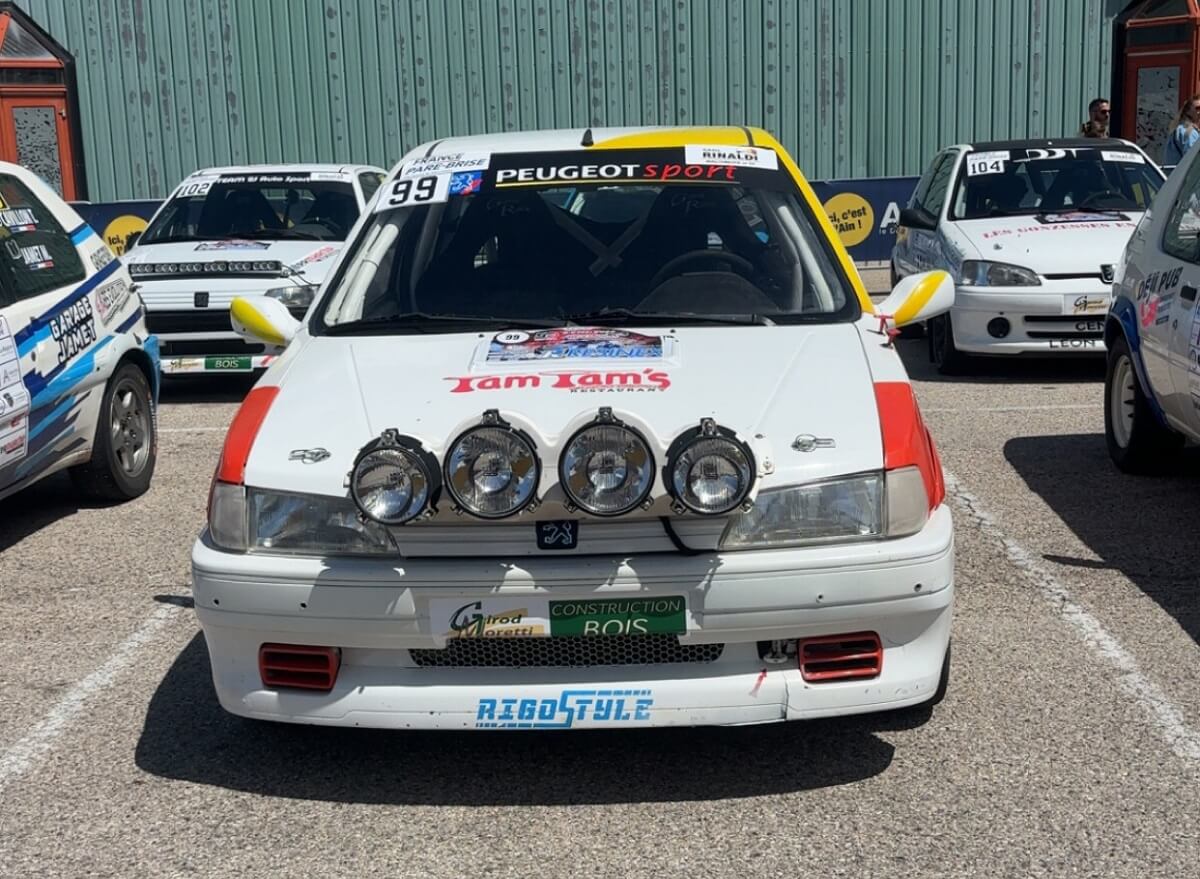
Tyres
For a small rally car, expect to pay around €800 to €1,200 for a new set of four tyres, depending on the manufacturer, tyre size and compound. Costs increase as tyre dimensions grow on higher-performance rally cars.
There's no need to fit four brand-new tyres for every regional rally. An amateur crew can often use the same set for several events with a light, low-powered car, provided they are not chasing outright performance. However, it's impossible to guarantee that one set will always last three or four rallies.
Tyre wear depends on the road surface, ambient temperature, compound, car setup, driving style and weather conditions.
You also need to be prepared for wet conditions. Owning your own rally car therefore usually means having several sets of wheels and tyres available, although they don't all have to be purchased brand new for every event.
💡 To keep costs under control, buying used tyres is extremely common in the lower rally categories, especially when the main goal is simply to gain experience and spend as much time driving as possible.
Fuel for the Rally Car
Once again, it all depends on the car and the length of the event.
To build your budget with a small safety margin, the following figures are a good rule of thumb for a small N1, N2 Production or N2 rally car:
| Event Type | Estimated Fuel Required |
|---|---|
| Regional Rally | around 40 litres |
| National Rally | 80 to 90 litres |
These figures are intended as budgeting estimates, not guaranteed fuel consumption. An AX, a Peugeot 106 and a Saxo will not all use exactly the same amount of fuel.
At around €2 per litre, 40 litres already represents €80, while 80 to 90 litres comes to approximately €160 to €180. These estimates are based on standard pump fuel. Some higher-performance rally cars run on more expensive racing fuel, but that generally doesn't apply to the entry-level cars discussed here (N1, N2/N2 Production, Rally6, Rally5, etc.).
Maintenance: The Hardest Cost to Predict
Even a relatively simple rally car requires regular maintenance 🛠️
You should budget for items such as:
- oil changes;
- brake pads and discs;
- wheel bearings;
- driveshafts;
- ball joints;
- all operating fluids;
- wheel alignment checks;
- damper servicing;
- the clutch.
On top of that, there are the inspections and minor repairs required after every event. Eventually, more expensive work will become necessary, such as gearbox, limited-slip differential, damper or engine rebuilds.
This is one of the biggest differences compared with renting a rally car.
💡 With a rental, you know exactly what the car will cost for each rally. With your own car, expenses are much less predictable: some events may require very little maintenance, while others could involve replacing several parts or carrying out a major service. Over multiple seasons, however, a reliable and well-maintained small rally car can remain relatively inexpensive to run, especially if you compete in many events.
👉 The idea is therefore to think in the long term, rather than assuming a car you've already bought costs nothing to run. Setting aside a small maintenance budget on a regular basis makes it much easier to absorb larger expenses when they eventually arise, without artificially inflating the cost of every single rally.
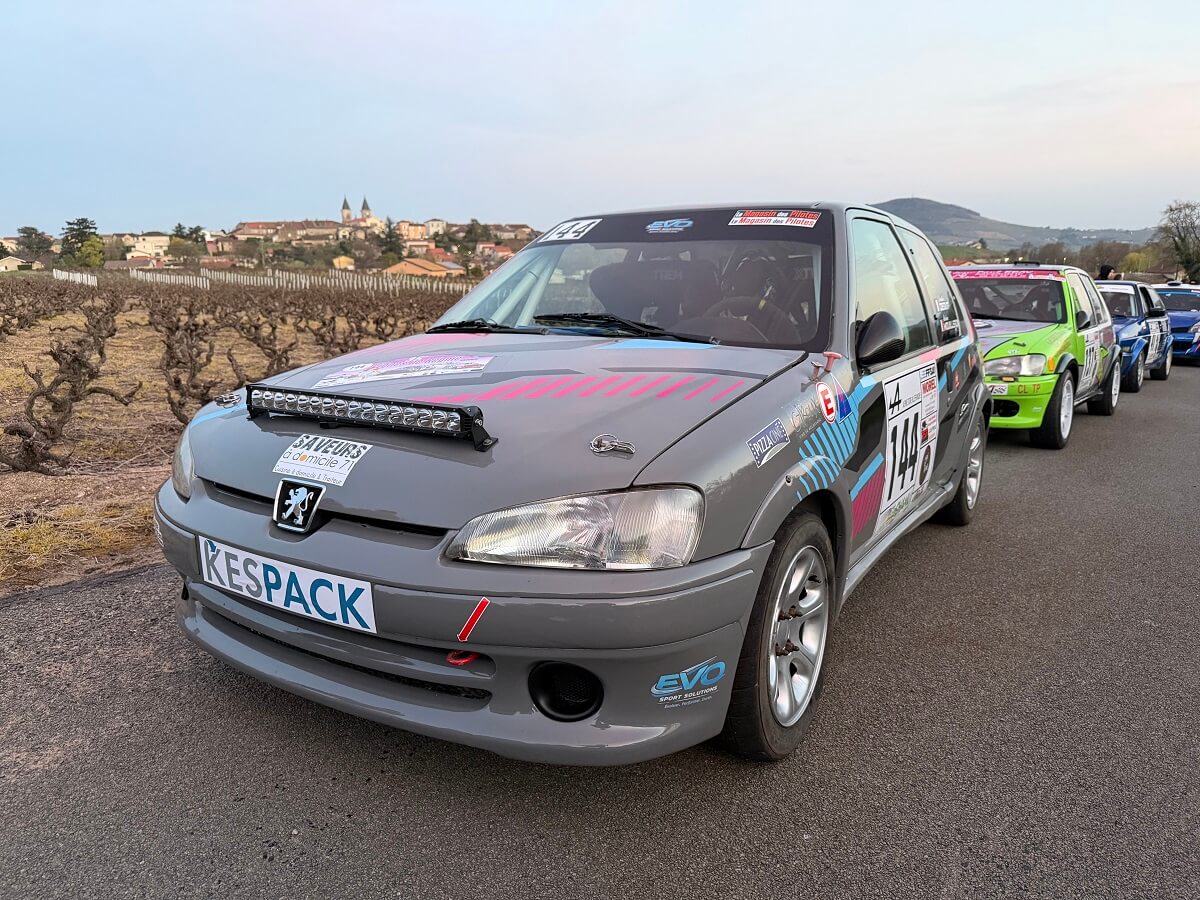
Typical Costs for a Regional Rally With Your Own Car
Let's take the example of a small N1, N2 Production or N2 rally car that has already been purchased, with a driver who already owns the required equipment and holds a competition licence.
To compete in a regional rally, you should budget for:
- around €350 in entry fees;
- around 40 litres of fuel for the rally car, or approximately €80 at €2 per litre;
- a share of the tyre wear;
- routine maintenance;
- recce expenses;
- travel to the event;
- meals and, if necessary, accommodation.
With a reliable car, tyres already available and an event close to home, the direct cash outlay for the weekend can therefore remain significantly lower than renting a rally car.
However, it would be misleading to assume that the rally costs only €400 or €500 simply because the car has already been paid for. Tyres wear out, components need replacing, and major servicing will eventually have to be paid for.
Part of the true cost of every rally is therefore the wear and tear that may not generate an immediate invoice.
The Investments Required When You Own Your Own Rally Car
For car owners, several major expenses are not included in the cost of a single rally. Depending on what you already own, you may need to budget for:
- purchasing the rally car;
- a trailer;
- a tow vehicle capable of pulling it;
- additional wheels;
- tools;
- axle stands;
- a stock of spare parts;
- service equipment.
The investment required to become fully self-sufficient can therefore add up very quickly.
The difference compared with renting is that much of this equipment retains some resale value. A rally car, trailer, wheels and certain tools can all be sold later, even though their value will naturally depend on their age and condition.
These expenses should therefore be considered separately from the cost of a race weekend: they represent the investment required to become a rally car owner and operate independently, rather than the cost of a single rally itself.
What Happens in the Event of Damage or a Crash?
We have deliberately excluded accidents and major damage from the budgets above: going off the road is not a normal rally expense.
With a rental car, as mentioned earlier, it is essential to check the amount of the security deposit or insurance excess, any available insurance options, and exactly what remains your responsibility in the event of an accident or damage to the car.
🎥 Insurance, excess and security deposits: I've dedicated a full video to the topic
What happens if you crash a rented rally car? Who pays for the repairs? How does the insurance excess work, and can you insure against it? I answer all of these questions in a dedicated video.
See also: "Rally car rental: the pitfalls to know before signing"
If you own the car, the situation is different: all repairs are your responsibility. Even with a small rally car, an off-road excursion can quickly result in a repair bill worth several thousand euros.
It's a risk that always needs to be kept in mind, but it would be misleading to include it in the normal cost of every rally.
How Can You Finance a Rally Season?
Before even looking for sponsors, the first step is to keep your costs under control: choose rallies close to home, share expenses with your co-driver, manage your tyre inventory wisely, carry out some of the maintenance yourself, and make the most of the mutual support that exists between rally crews.
For an amateur driver just starting out, the first opportunities often come from your personal and professional network: entrepreneur friends, employers, clients, suppliers, garages or local businesses.
However, you shouldn't think of sponsorship simply as asking a company to pay for part of your season. A partnership works much better when the company receives genuine value in return, such as:
- branding on the car and driver equipment;
- photos and videos;
- social media posts;
- a report after each rally;
- displaying the rally car at a company event;
- VIP invitations to a rally;
- passenger rides or discovery days with the rally car, where permitted by the organiser and insurance regulations;
- customer or employee events.
After every rally, send your partners a few great photos, the final result and an overview of the exposure they received. That's far more effective than only getting back in touch when you're looking for funding for the following season 🤝
💡 Don't focus only on financial sponsors. In-kind partnerships can reduce your season budget just as effectively: discounted parts, bodywork repairs, tyres, transport, accommodation, sticker printing and many other services.
For a modest budget, saving €500 thanks to several partners can ultimately be just as valuable as receiving a €500 cash contribution.
Can Prize Money Cover Part of Your Budget?
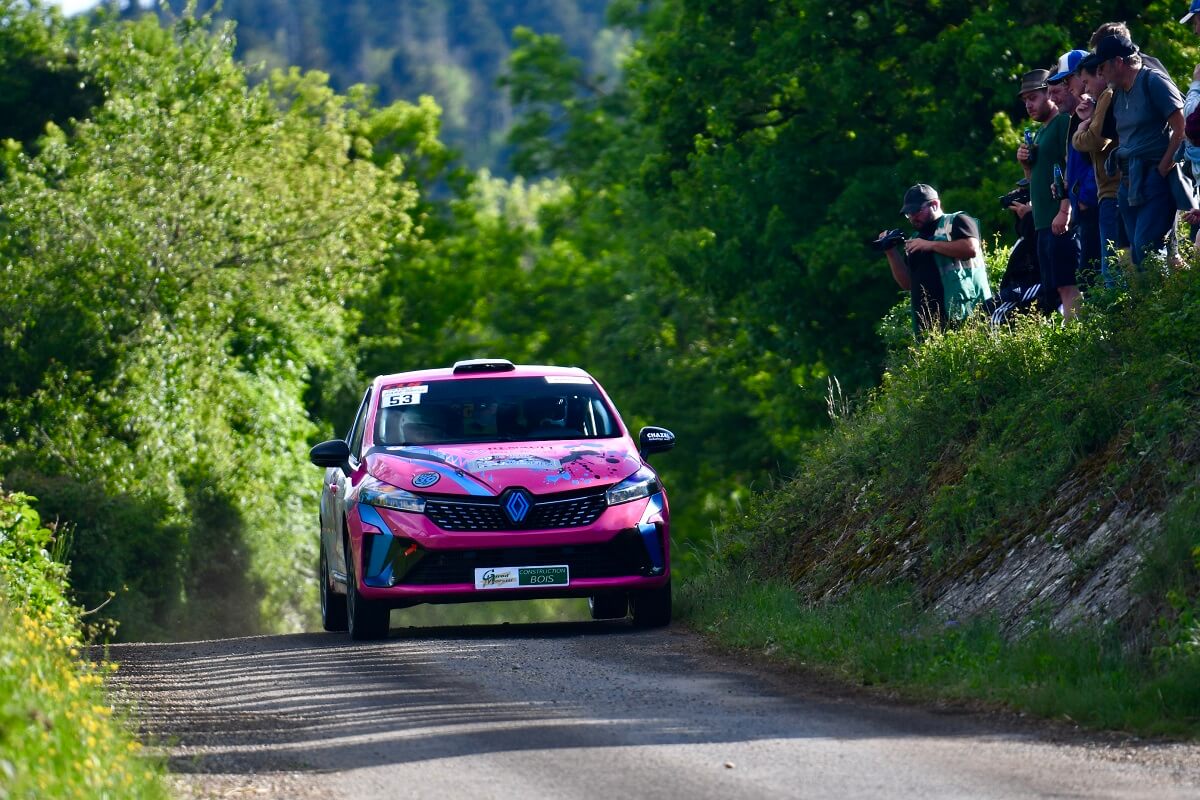
Some rallies award prize money based on the overall classification, group or class. The amount depends on the event, your finishing position and, in some cases, the number of entrants.
You should never build the budget for your first rally around the expectation of winning prize money. Even with a strong result in your class, it will usually cover only a small fraction of your expenses.
Single-make championships and promotional formulas may offer much larger prize funds, but they involve very different sporting ambitions and budgets compared with a first regional rally in a small entry-level car.
See also: "French Rally Cups and One-Make Rally Championships: The Complete Guide"
So, How Much Does Your First Rally Really Cost?
There is no single budget that applies to every crew, but a few useful benchmarks stand out.
For a regional rally in a rented N1, N2 Production or N2 car, expect to spend around €1,550 to €1,850 on the car rental and entry fee alone. You then need to add recce, travel, meals and, if necessary, accommodation.
For a driver who also needs to buy their first competition licence and all of their safety equipment, a first regional rally in a small car already costs around €3,300 before travel and living expenses. Once those additional costs are included, the total budget can easily exceed €3,500.
With a newer car such as a Rally6, expect to pay around €2,850 for the rental and entry fee of a regional rally, again before adding any other expenses. If you also need to purchase your equipment and licence, the total budget naturally becomes much higher.
Finally, if you own your own rally car, the cash spent over the race weekend may be considerably lower. But that doesn't mean rallying suddenly becomes cheap: tyres, fuel, maintenance and mechanical wear all have to be considered over the long term.
💡 Rallying remains an expensive motorsport, but you can adapt your budget to match your goals. For beginners, a small rally car and a regional event close to home remain the most affordable way to discover the discipline without breaking the bank.
👉 If you enjoy the experience, buying your own rally car may eventually become the next logical step. For someone planning to compete in multiple rallies each season, owning a small N1 or N2 Production car can ultimately prove more cost-effective than continuing to rent.


I'm Robin, 36, amateur driver and internet entrepreneur. I founded GoToTheGrid (GTTG) to create an intuitive platform dedicated to motorsport enthusia... See more