

 Login
Login
 Post an ad


French Rally Cups and One-Make Rally Championships: The Complete Guide
By RobinB on 09 June 2026 Rally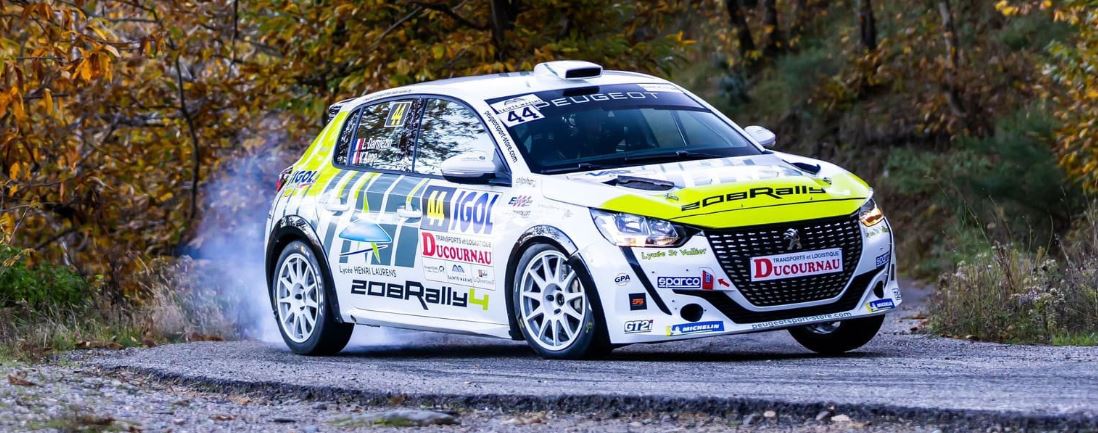
Rally promotion formulas play a major role in the landscape of French rallying. They allow amateur drivers, young prospects or already experienced crews to compete within a more structured framework than a traditional season, with common regulations, stronger visibility, prize money, manufacturer support and sometimes even a drive to be won for the following season 🚀
ℹ️ Do you prefer watching a video? This article is also available in video format on YouTube, click here! 🎥
But one misconception needs to be addressed right away: promotion formula does not necessarily mean low budget 💸
A series such as the SMRC6, the Clio Trophy France, the Alpine A290 Rally Trophy or the SMRC4 can help drivers gain exposure, improve and build a clearer sporting project. However, this remains modern rallying, with recent cars, tyres, service crews, insurance, travel costs and therefore often significant budgets.
ℹ️ The real benefit lies elsewhere. These formulas provide a more level playing field, stronger communication, genuine sporting monitoring and clear pathways toward higher categories. For a driver looking to progress or attract partners, this can make a real difference.
👉 In this article, we take a closer look at the main current rally promotion formulas in France: the SMRC6, the Clio Trophy France, the Alpine A290 Rally Trophy and the SMRC4. The goal is to compare the cars, calendars, prize funds, purchase prices and rental budgets in order to better understand which profile each formula may suit.
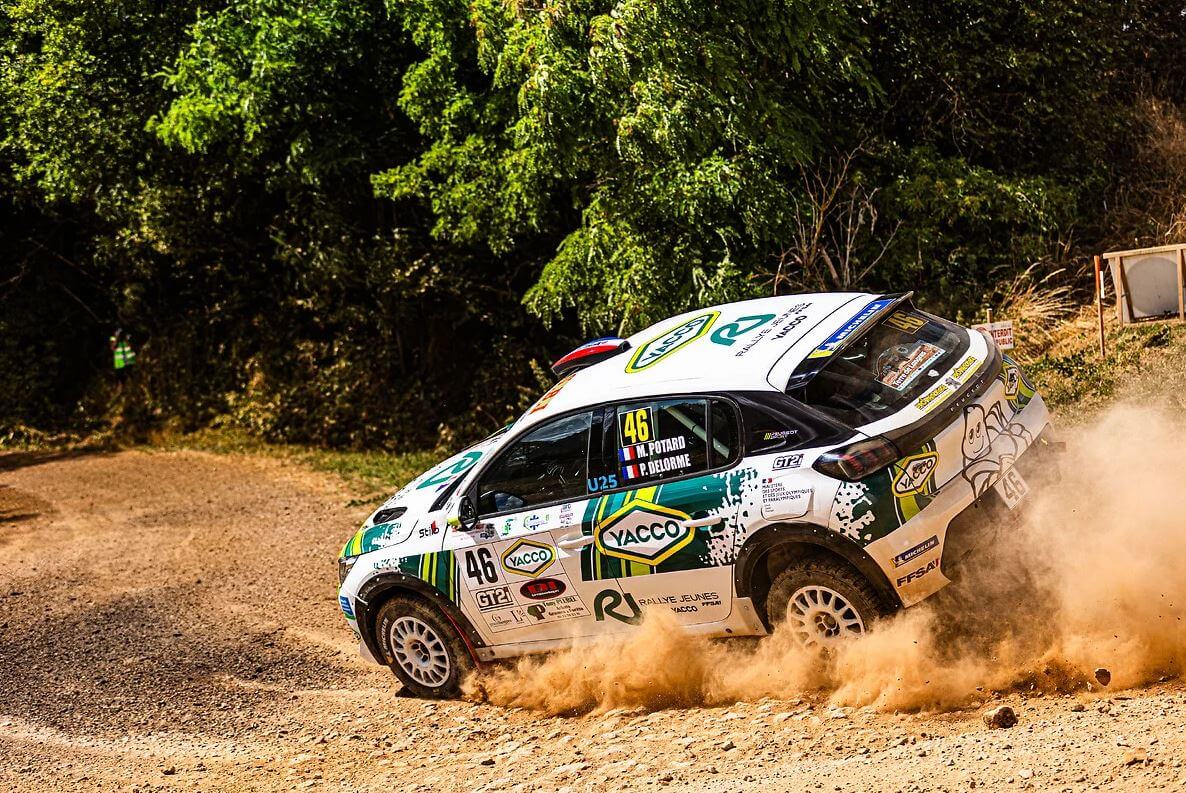
Why Choose a Rally Promotion Formula?
In rallying, there are several ways to build a season. You can compete in a traditional class, buy a used car or even prepare a car yourself, contest a few regional or national rallies, rent a car occasionally, or aim for a structured championship.
See also: "How much does it cost to hire a rally car ?"
Promotion formulas stand out because of their framework.
The idea is to limit technical performance gaps between competitors. The cars are identical or very similar, tyres are controlled, the regulations are precise and technical scrutineering is strictly managed. This does not mean everyone truly starts on equal terms. The driver with a larger budget can still complete more testing, better prepare the car, work with a stronger team and manage the season more comfortably. But at least the technical baseline is shared ⚖️
This is what makes these formulas attractive. When a driver performs well in a one-make trophy or manufacturer-backed cup, the result is easier to read. They are not simply winning a class with a different car from the others. They are beating drivers competing under comparable conditions, within the same championship and regulations 💪
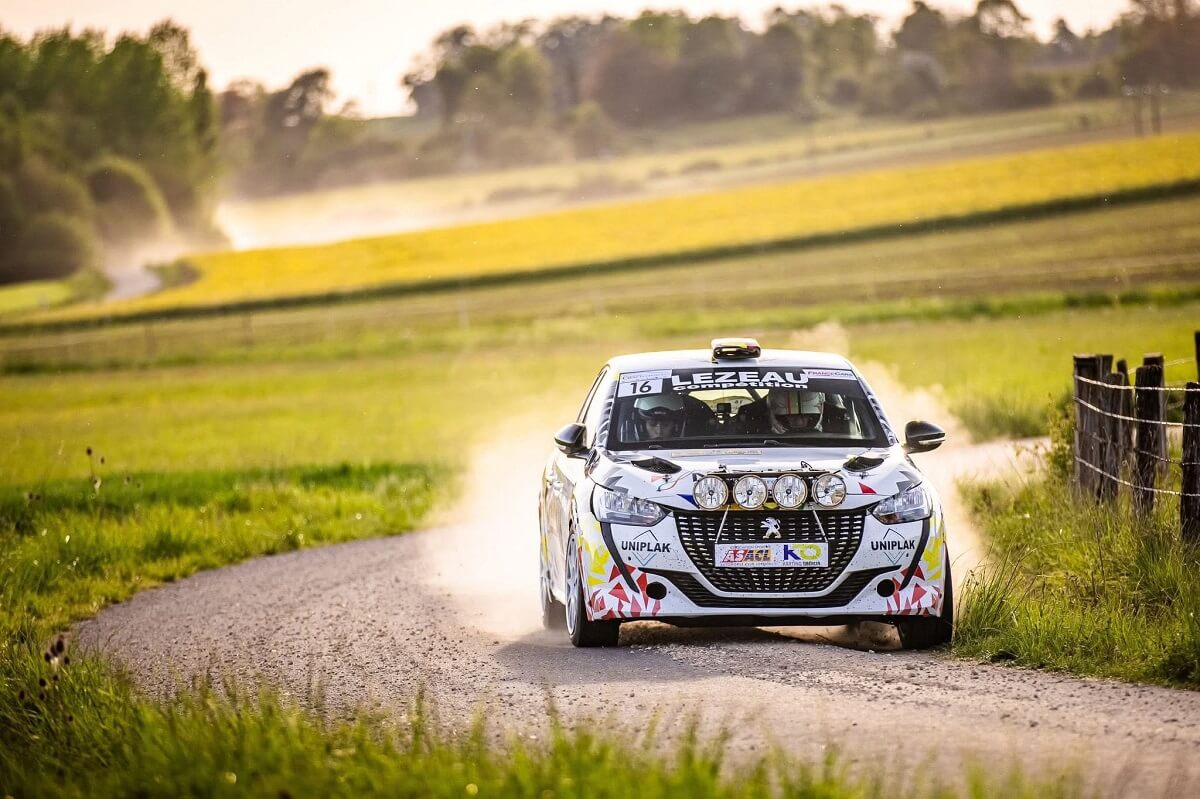
It is also far easier to promote to sponsors.
Winning a class in Group N, F2000 or another traditional category is of course a genuine achievement. The level can be high, it requires real pace and those results deserve respect. But in terms of visibility, the impact is often limited to close followers of the discipline 😕
In a promotion formula, there is usually a manufacturer or promoter behind it. There are dedicated standings, press releases, official photos, prize funds, challenges, sometimes video content, and above all a real progression pathway. For a young driver, that is a major argument.
ℹ️ The SMRC6, for example, can lead toward the SMRC4. The Clio Trophy can open the door to an Alpine Racing programme. The Alpine A290 Rally can lead to a programme in the Alpine A110 Rallye R-GT. And the SMRC4 can provide a pathway toward Rally2.
It is not a fast track to the top level, of course. Opportunities are limited and budget remains the key factor. But at least there is a clear trajectory 📈
SMRC6: the Modern Entry Point within Stellantis
The SMRC6 is probably the most accessible formula among the major current promotion cups in France. It is organized by Stellantis Motorsport and is based on the group’s Rally6 category cars.
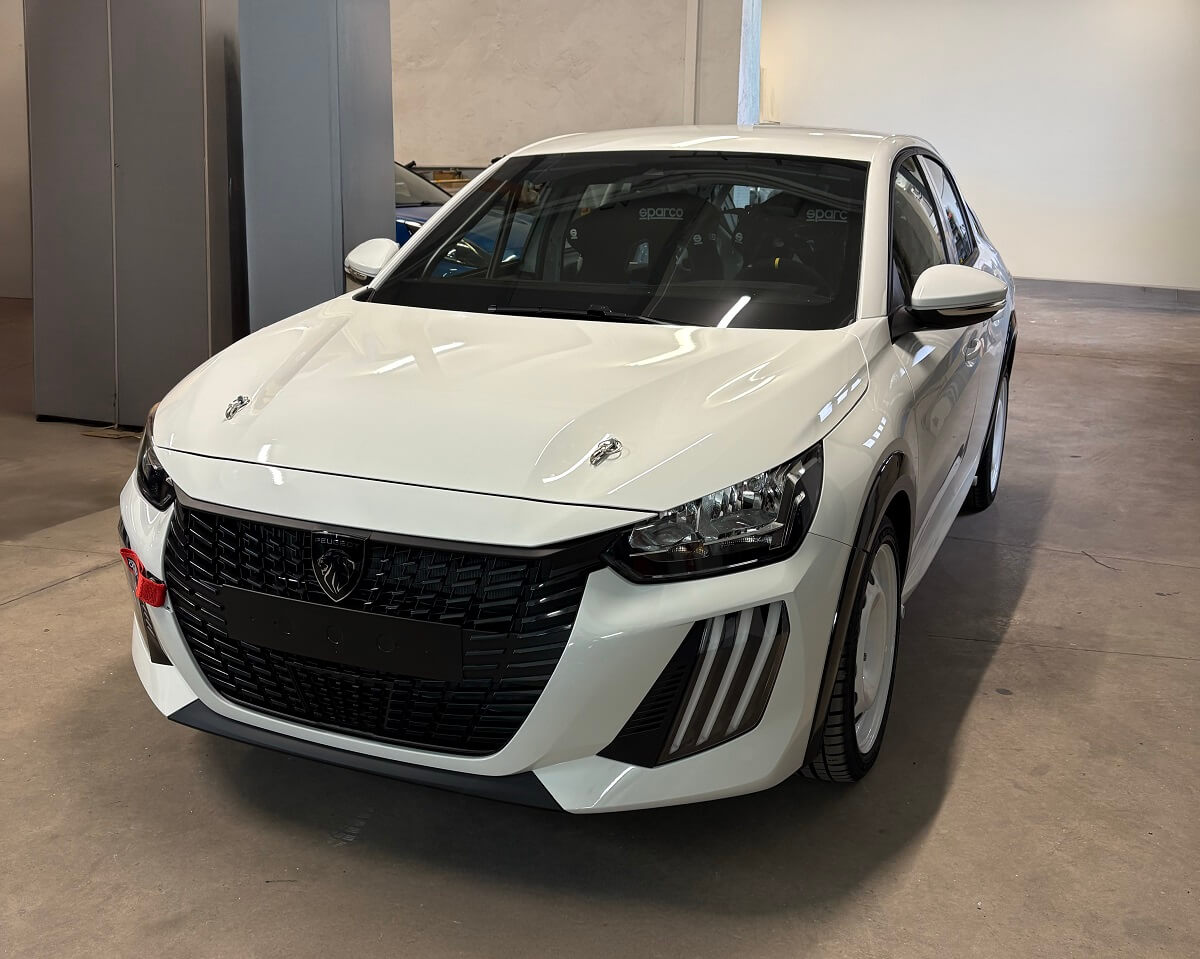
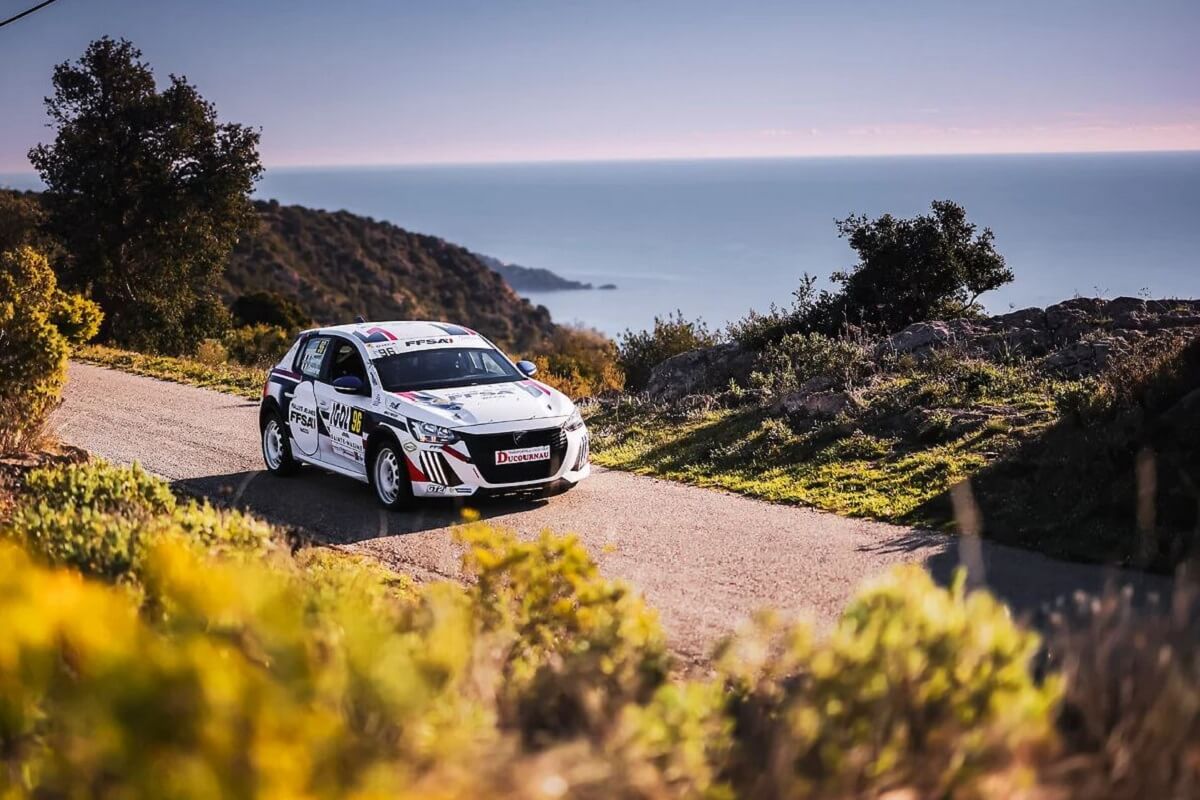
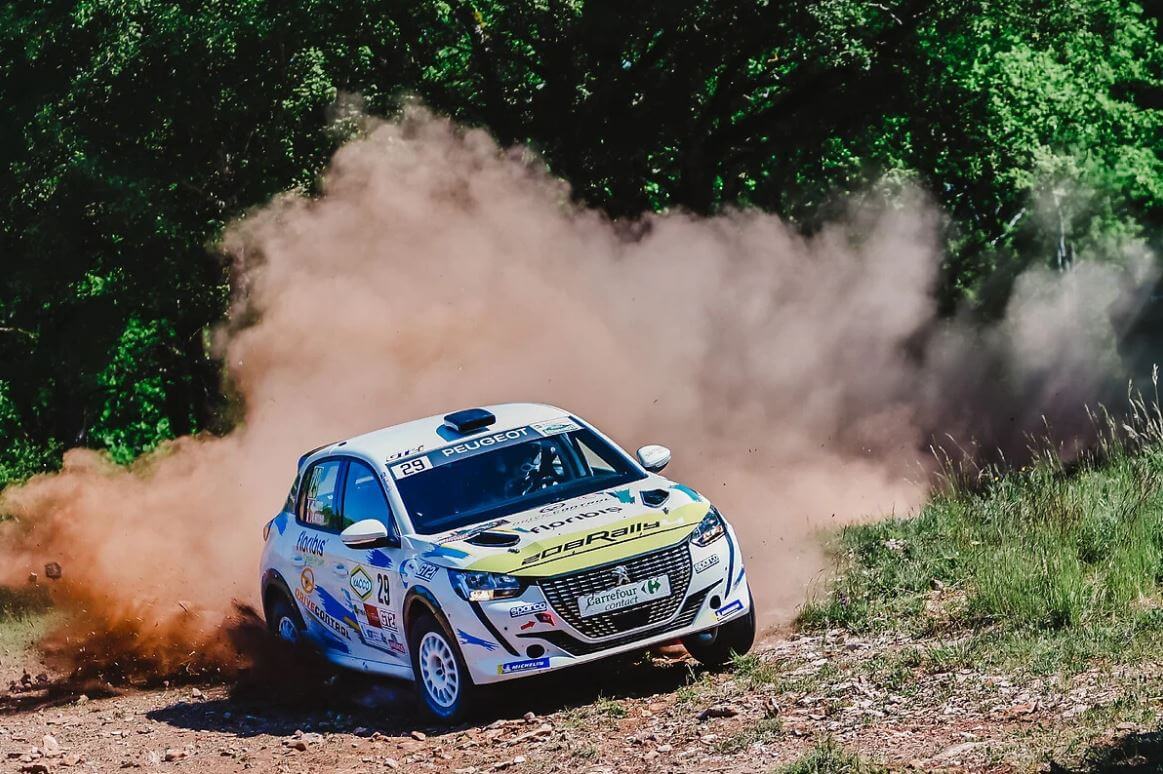
The first cars were delivered in early 2025 with the Peugeot 208 Racing (see above). In 2026, the formula also opens to the new Rally6 models from the Stellantis group: the Opel Corsa Rally6 and the Lancia Ypsilon HF Racing.
See also: "Clio, Corsa, Ypsilon... Rally6 welcomes new cars"
There are therefore three eligible models, all built around the same philosophy: offering a modern car, less expensive than a Rally4, closer to a production model, yet serious enough to train a driver within a proper competitive framework.
ℹ️ The Renault Clio Rally6 is not eligible for this cup, as the SMRC6 remains a Stellantis-based formula.
Technically, these cars are not designed to impress with outright power. We are talking about around 145 horsepower, a manual gearbox, two-wheel drive and a car still quite close to the production version. On paper, it may seem almost modest.
But that is precisely what makes the formula interesting 😋
With a Rally6 car, you need to carry speed, be precise, avoid mistakes, brake late, position the car properly and maintain momentum. Power does not hide weaknesses. For a young driver or a crew looking to improve, it is an excellent learning tool.
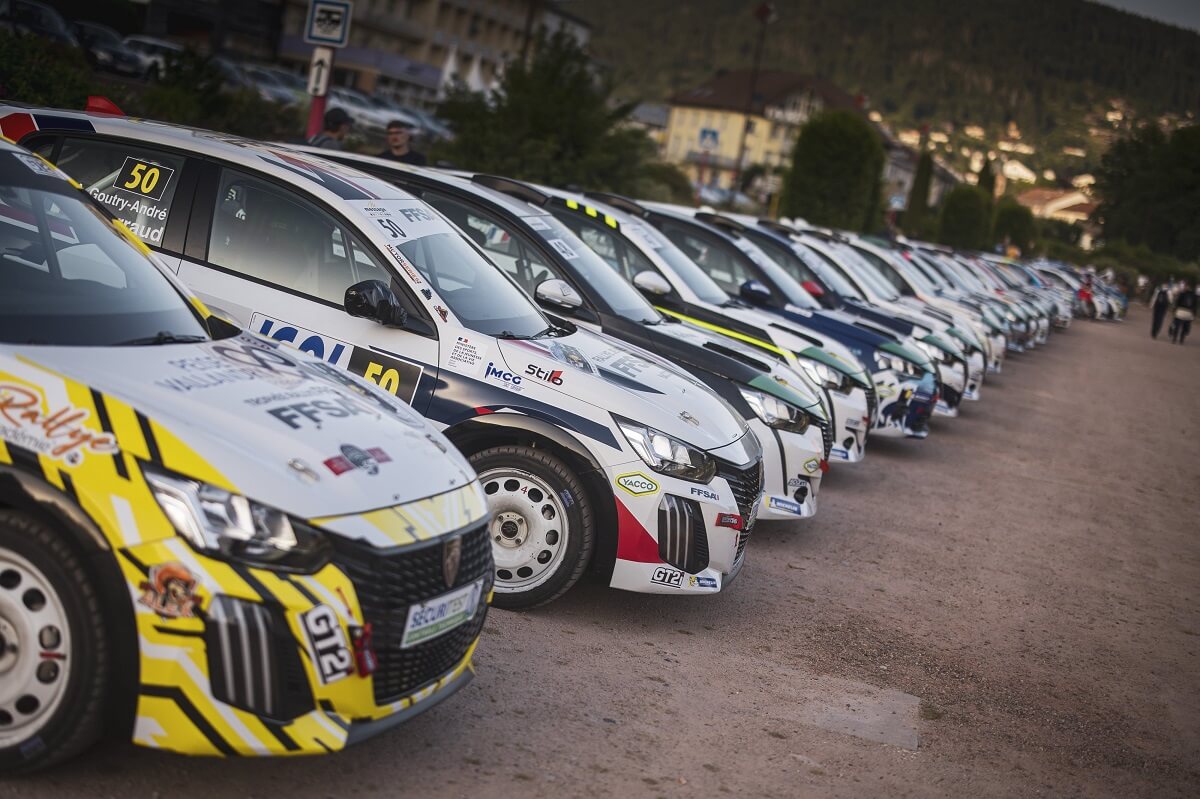
And when you watch the front-runners drive these cars, you quickly realize that a modest specification sheet does not mean a low level of performance. The stage performances are often spectacular, and the top drivers in the category regularly mix with far more powerful cars in the overall classification. As is often the case in rallying, stage times are not determined by power alone, but by the crew’s talent 😉
SMRC6 Calendar and Format
In 2026, the SMRC6 is contested over six rounds. The calendar notably includes:
- Rallye Le Touquet Pas-de-Calais
- Rallye Dieppe-Normandie
- Rallye du Rouergue
- Rallye Cœur de France
- Critérium des Cévennes
- Rallye d’Automne
The formula offers two main classifications:
- The Overall (Scratch) classification, open to all competitors.
- The Junior U28 classification, reserved for drivers born on or after January 1, 1999.
Full-season registration is announced at €1,600 per crew. There is also a discovery entry at €350 to compete in a single round. This is a smart option, as it allows a crew to test the formula without committing to an entire season.
Prize Money and Awards in SMRC6
The SMRC6 offers prize money at each round. The overall winner receives €1,700, second place €1,200, third €800, then €500 for fourth and €300 for fifth 💰
Before each rally, a set of six Michelin tyres is also drawn by lottery.
These amounts obviously do not fund an entire season, but they can help. In rallying, prize money, a tyre package or a voucher is always welcome.
This is a genuine stepping stone. A full Rally4 programme represents a very significant value, well above €100,000. For a young driver, this is a reward that can truly change the trajectory of a career 👌
Purchase and Rental Budget in SMRC6
On the purchase side, the Peugeot 208 Racing is listed at €38,900 excl. VAT, which means just over €46,000 incl. VAT ready to race. The Opel Corsa Rally6 and the Lancia Ypsilon HF Racing are in a similar price range, as they are based on a very close technical platform.
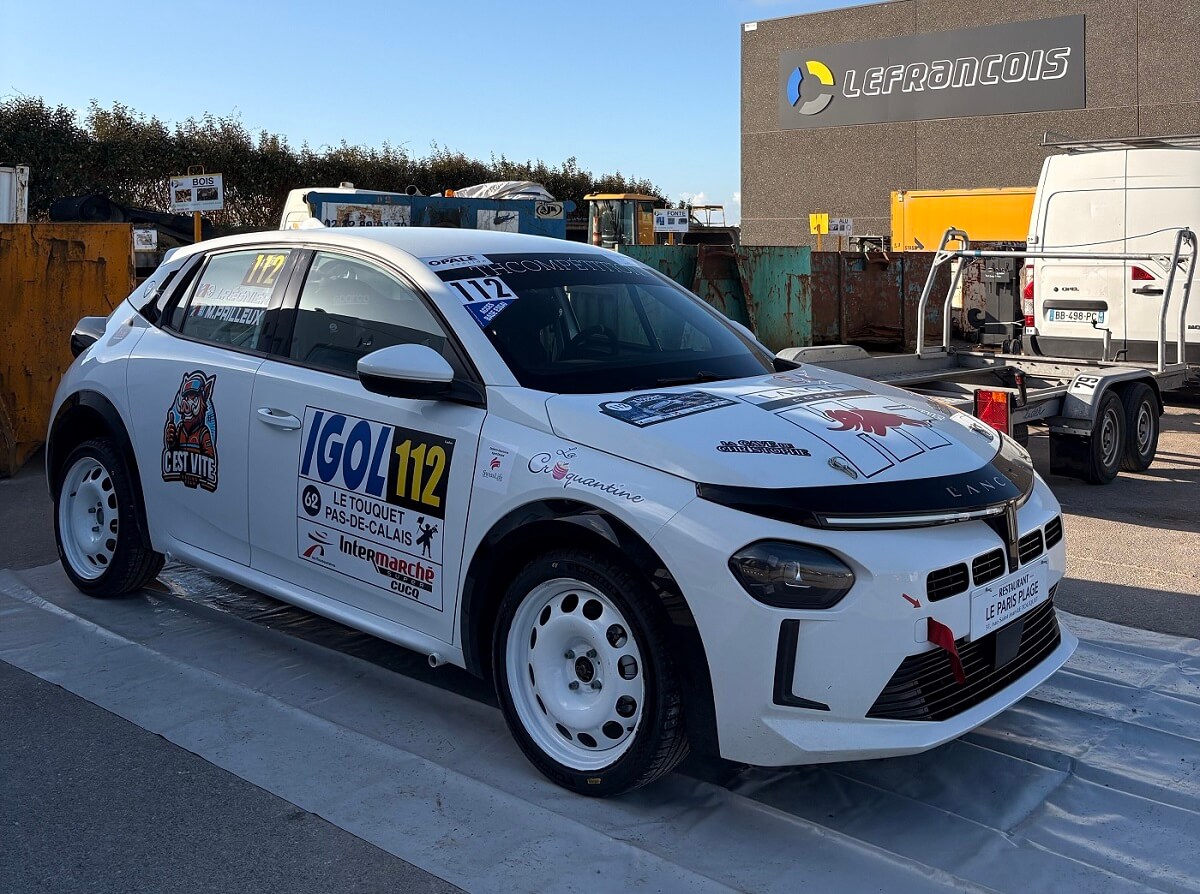
However, caution is needed with the list price. As often in motorsport, the base price does not necessarily reflect the final budget. You may need to add spare parts packages, extra wheels, options, equipment or service material.
On the rental side, observed quotes generally range from €4,000 to €6,000 incl. VAT per SMRC6 round, depending on the team and the package offered.
ℹ️ The difference can come from several factors: whether a test session is included, new tyres or not, insurance, excess, service support, coaching, fuel, transport, etc.
➡️ Looking for a rally car for sale or rent? See all rally car listings on GoToTheGrid 😋
The SMRC6 is therefore not “cheap” in absolute terms. But within the context of modern rallying, to compete in a manufacturer-backed cup with a recent car, it is probably one of the most coherent entry points available.
🔗 Visit the Stellantis Motorsport website
Clio Trophy France: the Rally5 Benchmark
The Clio Trophy France sits one step higher in terms of budget, but also in terms of performance and sporting level 😎
Launched in 2020, the formula is based on the Renault Clio Rally5. Today, it uses the Clio Rally5 Phase 2, powered by a 1.3-litre turbo engine producing around 180 horsepower, a Sadev sequential gearbox, a hydraulic handbrake and a chassis known for its balance.
It is not yet a Rally4, but it is already a true modern rally car: fast, educational and highly appreciated by drivers.
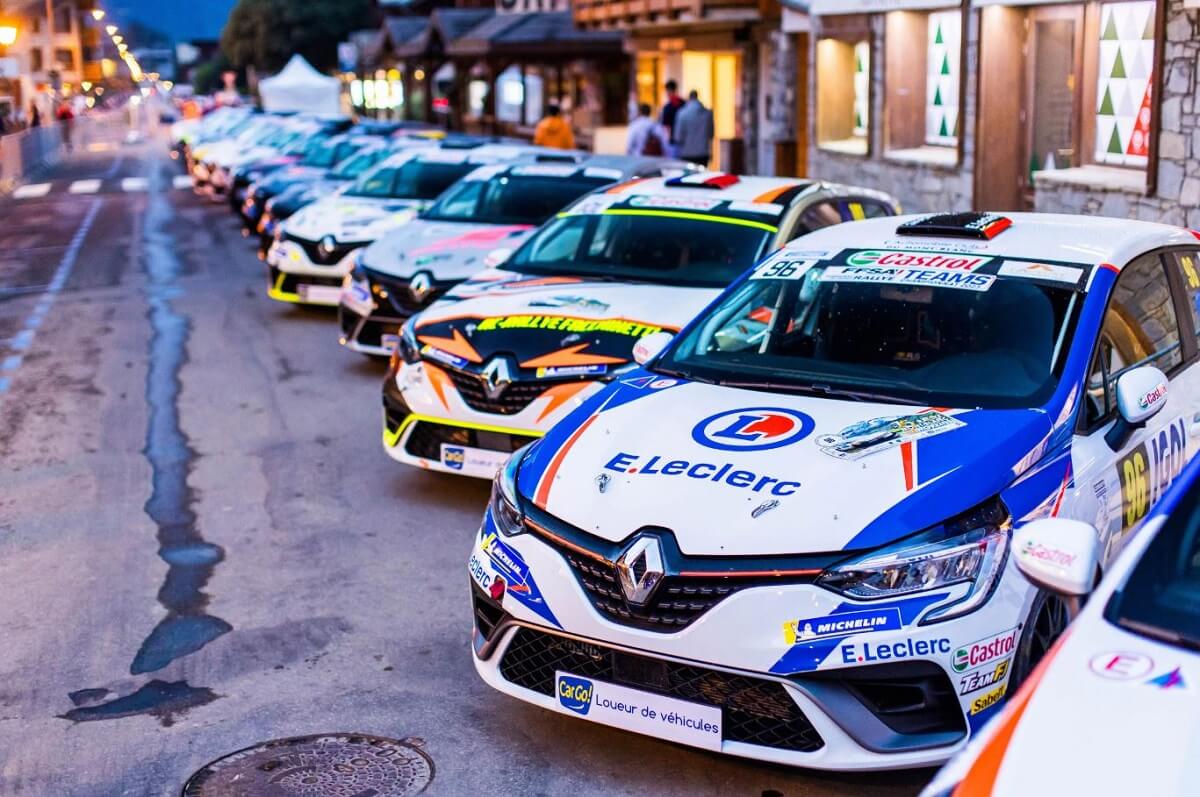
The biggest strength of the Clio Trophy is the size and competitiveness of its field. 😲
In France, the formula has attracted a very large number of entries since its launch. We have already seen more than 50 Clio Rally5 cars on a single rally. In a one-make formula, with identical cars and tyres, a large field immediately adds value to performance.
When a driver finishes at the front in that context, it truly means something.
The Clio Trophy is also very well structured. Alpine Racing provides technical support, the parts truck is present, Michelin tyres are mandatory, tyre quotas are limited, and the regulations are designed to maintain a certain level of cost control.
It remains expensive, of course. But the framework is serious.
🔎 See also: our full article on the Clio Trophy France and the Renault Clio Rally5
Clio Trophy Tarmac and Clio Trophy Gravel
In 2026, the Clio Trophy Tarmac is contested over five rounds of the French Rally Championship:
- Rallye Le Touquet Pas-de-Calais
- Rallye Vosges Grand Est
- Rallye du Rouergue
- Rallye Mont-Blanc Morzine
- Critérium des Cévennes
There is also a Clio Trophy Gravel, with three rounds:
- Castine Terre d’Occitanie
- Terre des Causses
- Terre des Cardabelles
This is one of the strengths of the Clio Rally5: it allows drivers to develop on both surfaces. For a driver looking to improve, learning tarmac is one thing, but mastering gravel is another. Versatility is a real advantage 👍
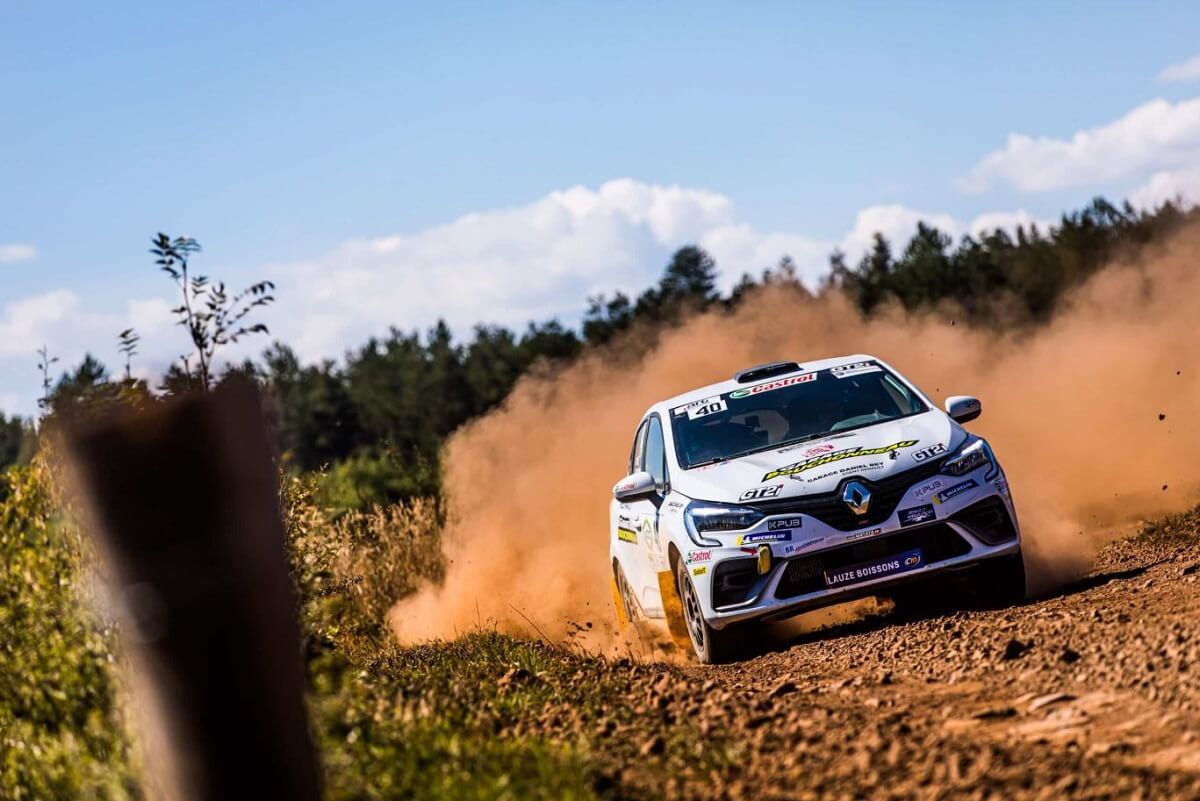
Under the regulations, the top 30 finishers score points. “Performer” bonus points are also awarded to the five fastest drivers across each of the final ten special stages.
On tarmac, the four best results count toward the final standings, and the final round carries a 1.5 coefficient to maintain suspense until the end.
The number of tyres is limited to eight per rally, which helps prevent excessive tyre budget inflation. Even so, eight tyres per round already represent a significant expense.
Registration and Budget for the Clio Trophy France
Registration for the full tarmac season is announced at €1,300 incl. VAT for the five rallies. It includes two Renault racewear kits and the services provided by Alpine Racing.
There is also a “Just for fun” option at €700 incl. VAT to compete in a single rally, with the possibility to switch to the full-season package by simply paying the difference.
For female drivers entered in the trophy, registration is free, which remains an interesting initiative to encourage greater diversity within the discipline 👫
Purchase and Rental Budget for the Clio Rally5
On the purchase side, the Clio Rally5 has increased significantly in price since its launch. Today, you should expect to pay just over €50,000 excl. VAT for a new tarmac version, and slightly more for a gravel version, excluding options. Including VAT, this means exceeding €60,000.
On the used market, cars are generally found between €40,000 and €55,000, depending on condition, history, included spare parts, wheels, tarmac or gravel configurations, and spares packages.
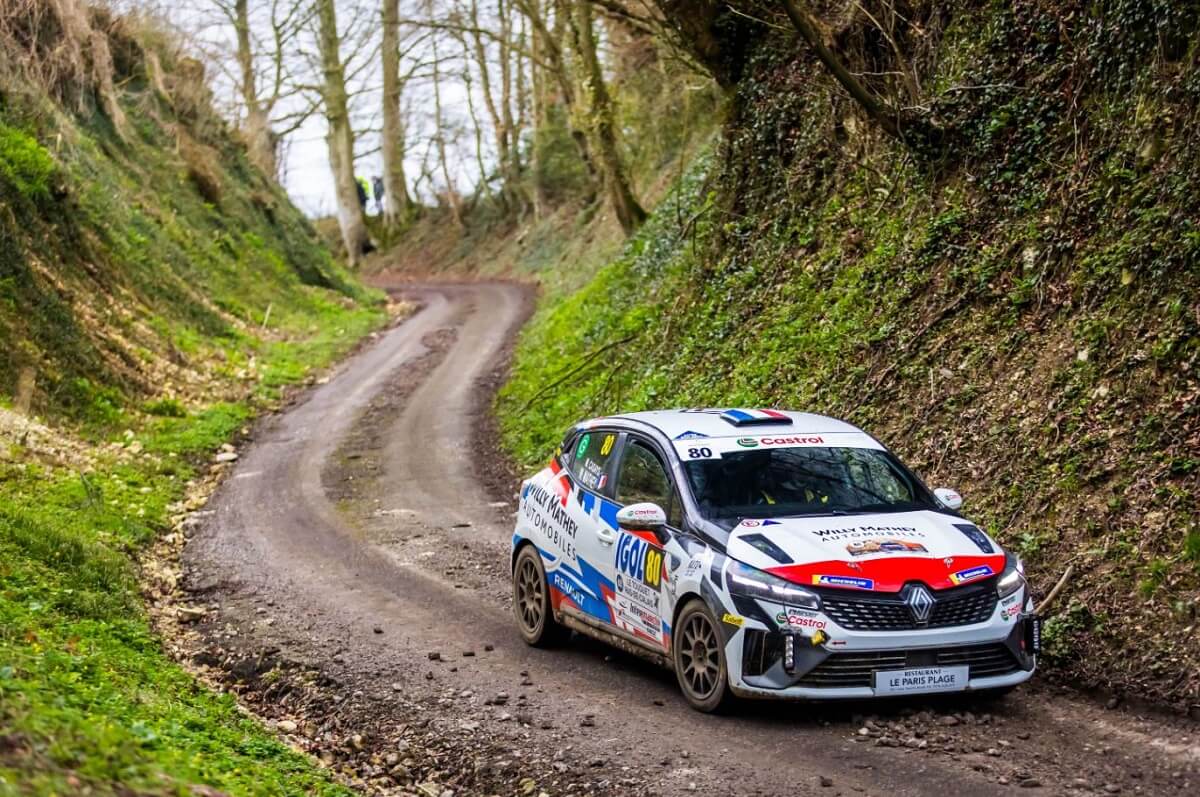
For rental, a Clio Trophy round in the French Rally Championship typically ranges between €8,000 and €10,000 excl. VAT, depending on the team and the package.
ℹ️ You really need to examine the quotes in detail. Tyres are not always included. Insurance, excess, testing, service support or potential repairs can significantly impact the final cost.
The Clio Trophy is therefore more expensive than the SMRC6, but it also offers a higher sporting level, very dense grids and strong recognition within the rally community.
Prizes and Opportunities in the Clio Trophy
Renault announces more than €125,000 in prize money and parts credits for the 2026 tarmac trophy. Rewards apply to the top 20 overall, as well as to Juniors, Gentlemen and Female drivers.
Female competitors also benefit from specific support, such as a €500 parts credit per rally.
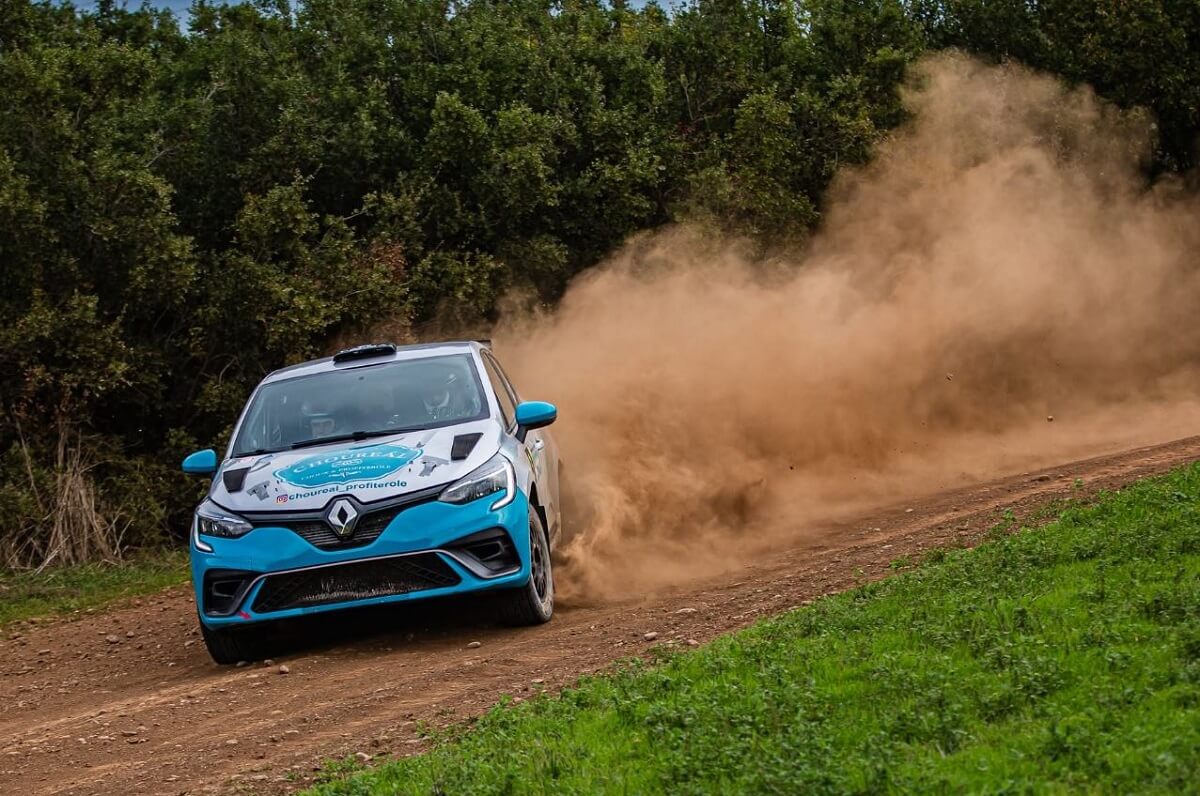
But as is often the case in promotion formulas, the stakes go beyond immediate prize money. The Clio Trophy primarily allows a driver to stand out in a highly competitive environment. Juniors can aim to secure an official Alpine Racing drive for the following season 🥳
Beyond the prize money, the formula is especially known for the density of its field. With sometimes more than 50 Clio Rally5 cars at the start of a single rally, a strong result carries significant weight for a driver looking to attract partners or continue progressing.
This is what makes the formula strong. The budget is substantial, but from a sporting standpoint, the Clio Trophy remains one of the most educational environments in France for a driver who wants to measure themselves against a large one-make grid.
🔗 Visit the Clio Trophy France website
Alpine A290 Rally Trophy: the Electric Bet
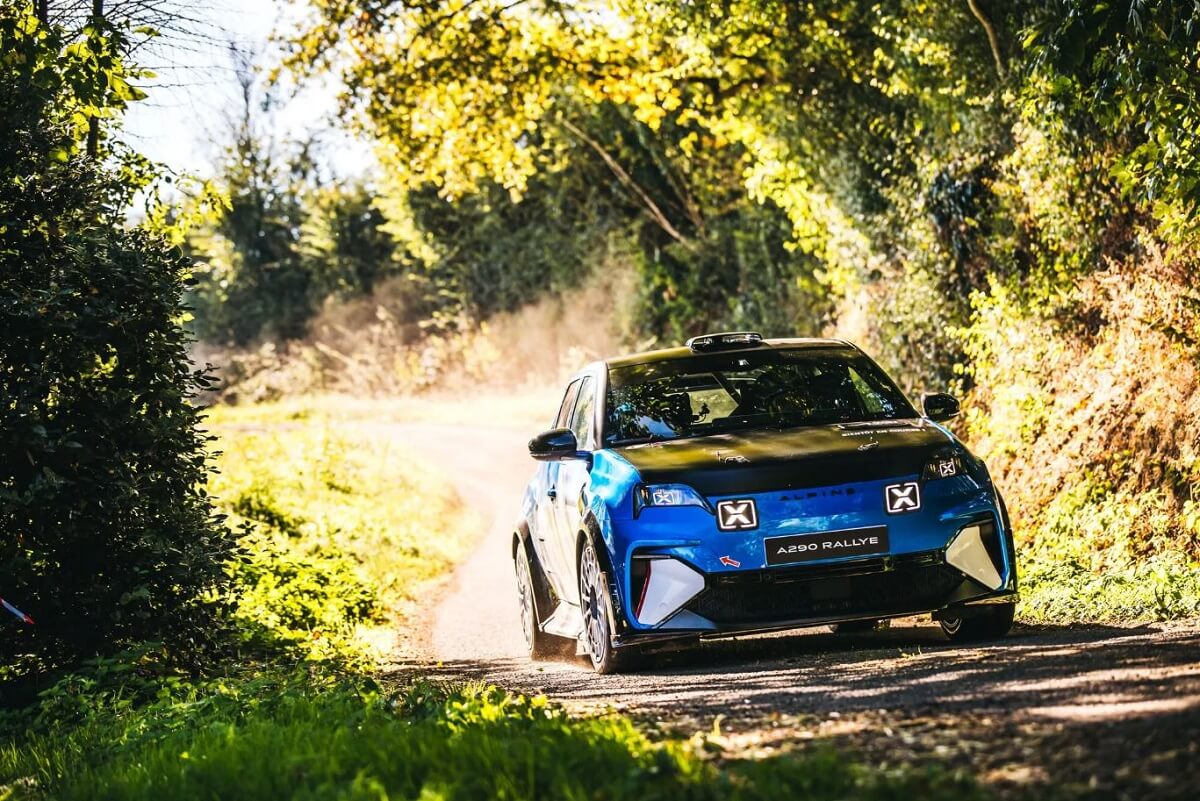
The Alpine A290 Rally Trophy holds a unique position within the French rally landscape. It is not based on a traditional internal combustion car, but on a 100% electric vehicle ⚡
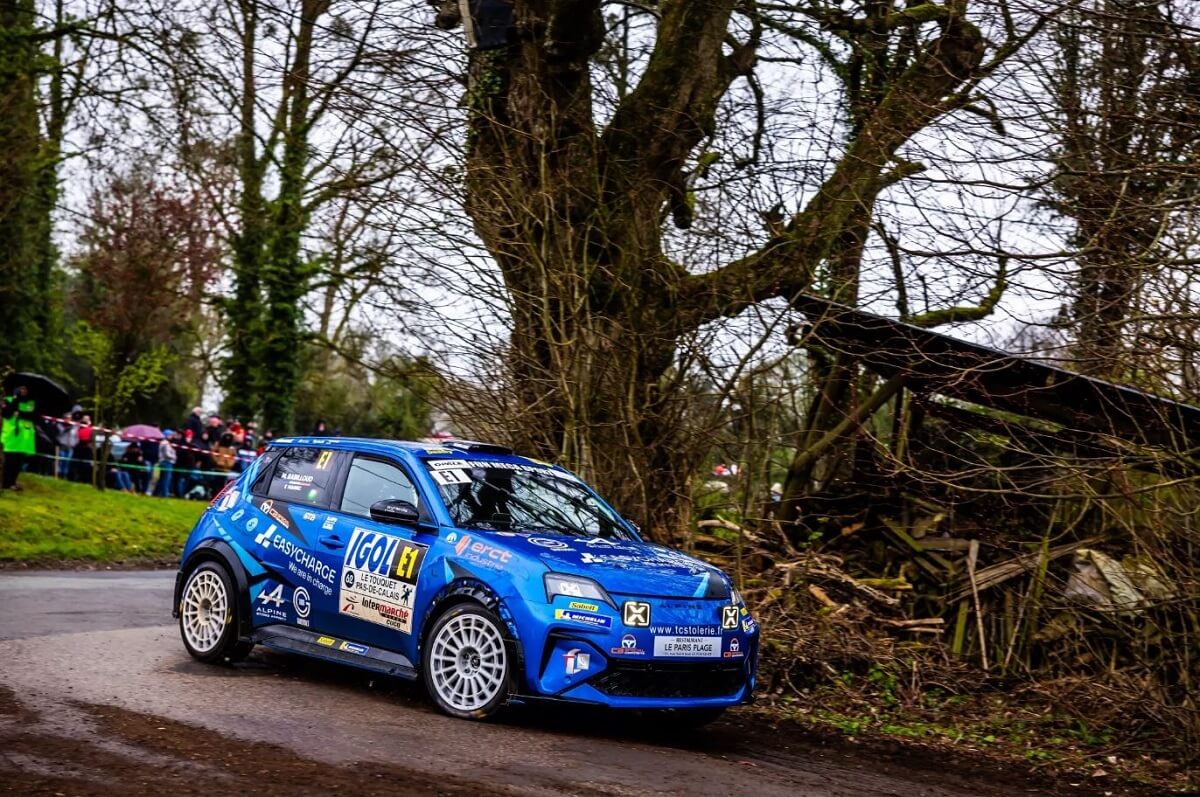
Unsurprisingly, the topic sparks debate...
Some see it as a modern and interesting evolution, capable of attracting new partners and opening rallying to different technologies. Others believe that a rally car without a combustion engine, without the traditional mechanical sound and the smell of fuel, loses part of its soul.
Both perspectives are understandable 🤷♂️
But one thing is clear: Alpine has not launched a simple marketing operation. The A290 Rally is a genuine customer competition car, developed by Alpine Racing.
The car produces around 220 horsepower and 300 Nm of torque. It weighs approximately 1,530 kg, features a ZF limited-slip differential, specific suspension components, large brakes, a hydraulic handbrake, a welded roll cage, racing seats and harnesses 👍
This is not a small electric city car vaguely adapted for rallying. It is a true race car, designed for competitive use.
🔎 See also: our full article on the Alpine A290 Rally Trophy
Purchase Price and Running Costs of the Alpine A290 Rally
The Alpine A290 Rally is listed at €59,990 excl. VAT, assembled, painted and delivered ready to race. Including VAT, this represents around €72,000.
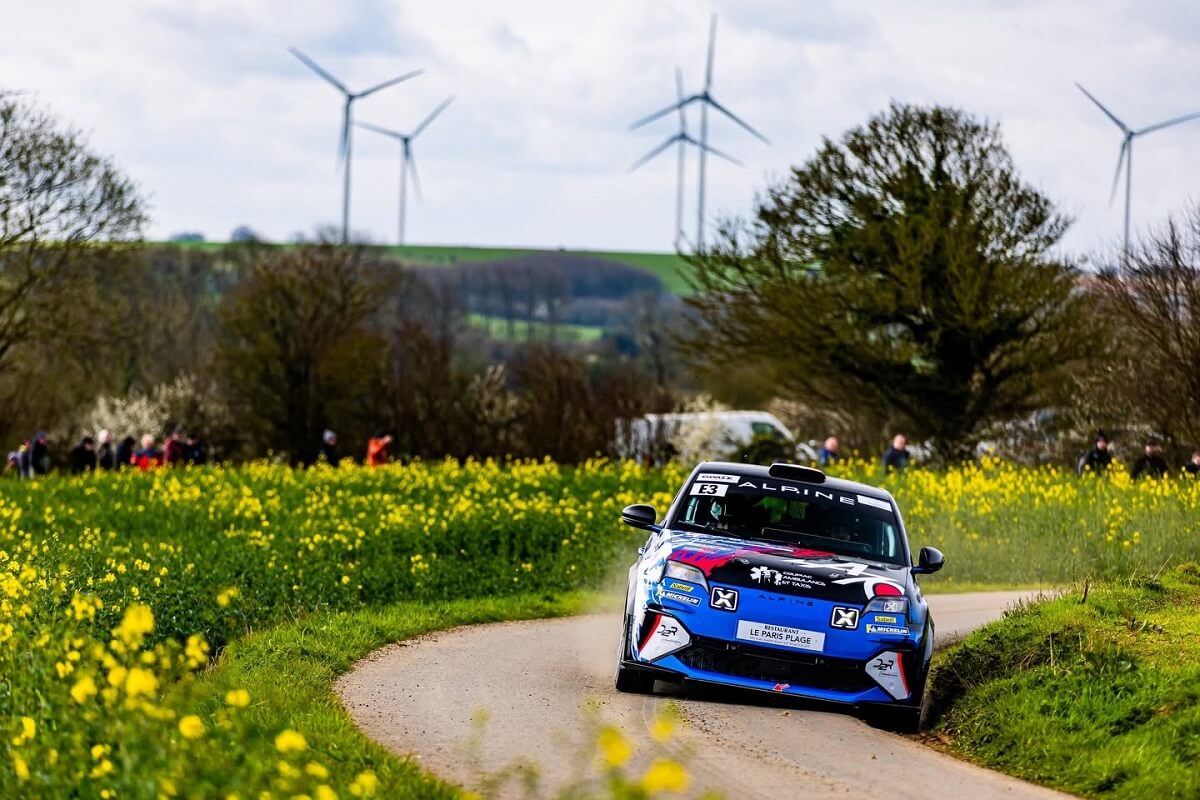
At purchase, it is therefore more expensive than a Peugeot 208 Racing Rally6 and a Clio Rally5.
ℹ️ Alpine nevertheless highlights a reduced running cost. No fuel, less brake wear thanks to regeneration, reduced mechanical maintenance, and a cost per kilometre announced to be close to that of a Clio Rally5.
On paper, that is interesting. But more time and data will be needed to confirm the real costs over several seasons.
Teams are still discovering the car, its wear patterns, its constraints, charging management, actual operating costs and potential resale value. This is an important point, as an electric competition car also raises questions about depreciation. The second-hand market will inevitably be closely monitored.
👉 For rental, early feedback suggests that the A290 Rally sits within a budget range fairly close to a Clio Rally5, although this remains to be confirmed depending on the teams and packages offered.
A Trophy Structured Over Several Seasons
In 2025, Alpine tested the concept at the Rallye de l’Indre with ten cars. In 2026, the Alpine A290 Rally Trophy takes on a new dimension with six rounds of the French Rally Championship:
- Rallye Le Touquet Pas-de-Calais
- Rallye Vosges Grand Est
- Rallye du Rouergue
- Rallye Mont-Blanc Morzine
- Rallye Cœur de France
- Critérium des Cévennes
The standings count the five best results, allowing some margin in case of retirement or a poor result ❌
In terms of prize money, Alpine announces more than €236,000 in prizes and rewards for the season, along with the Alpine Store Challenge. Alpine plans to offer the national trophy winner an official entry in an Alpine A110 Rallye R-GT on a round of the French Rally Championship 🤪
Alpine has announced that the programme is secured until 2028. For teams and rental structures, this is a key point: purchasing a trophy car represents a significant investment, and multi-season visibility makes it easier to amortise the car.
There is also a Regional Alpine A290 Trophy, designed to allow drivers to compete in a more accessible framework, on regional rallies, but also in slalom or hillclimb events.
The Marketing Appeal of Electric
The A290 Rally will not appeal to everyone. That is obvious.
But its positioning can also become an advantage for certain drivers. An electric rally car can make it possible to build a different kind of project with partners. Companies linked to energy, mobility, innovation, digital technology or ecological transition may be more receptive to this type of programme than to a traditional combustion-powered car.
This does not guarantee sponsorship, of course. But it provides a different angle.
In a context where many drivers present fairly similar sponsorship proposals, the A290 Rally can offer a different story to tell. That is probably one of its main strengths beyond the purely sporting aspect.
🔗 Visit the Alpine A290 Trophy Facebook page
SMRC4: the Step Up in Rally4
With the SMRC4, we clearly move beyond the discovery stage. This is a very serious category, with already highly competitive cars and significantly higher budgets.
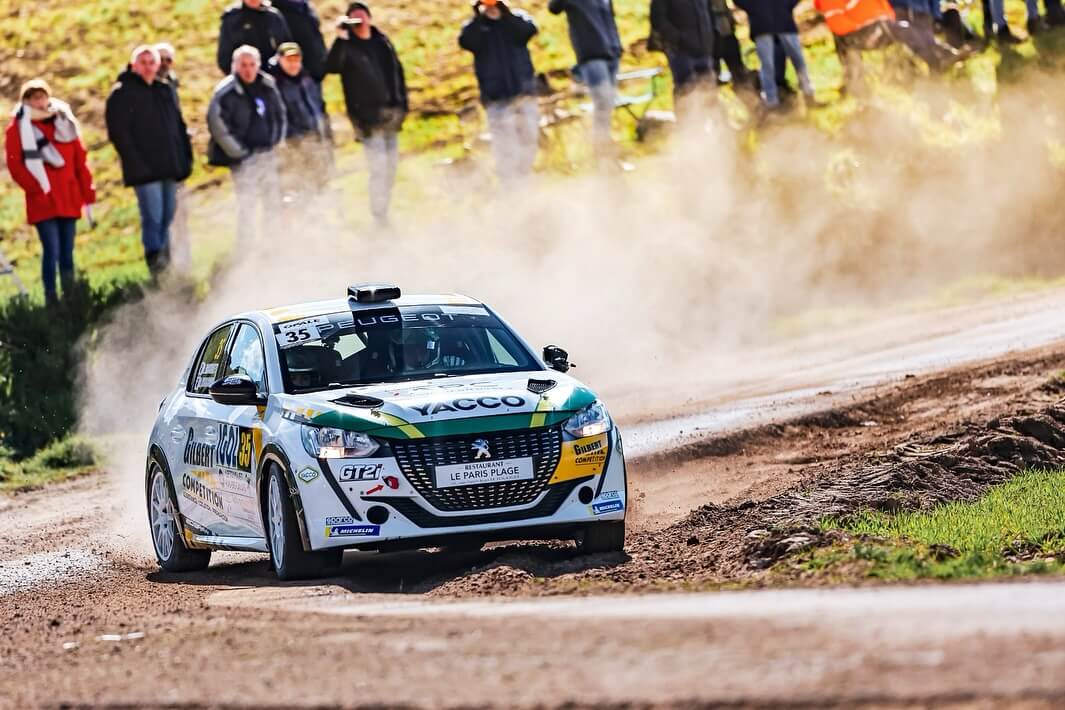
The SMRC4 brings together the Stellantis group’s Rally4 cars: Peugeot 208 Rally4, Opel Corsa Rally4 and Lancia Ypsilon Rally4 HF.
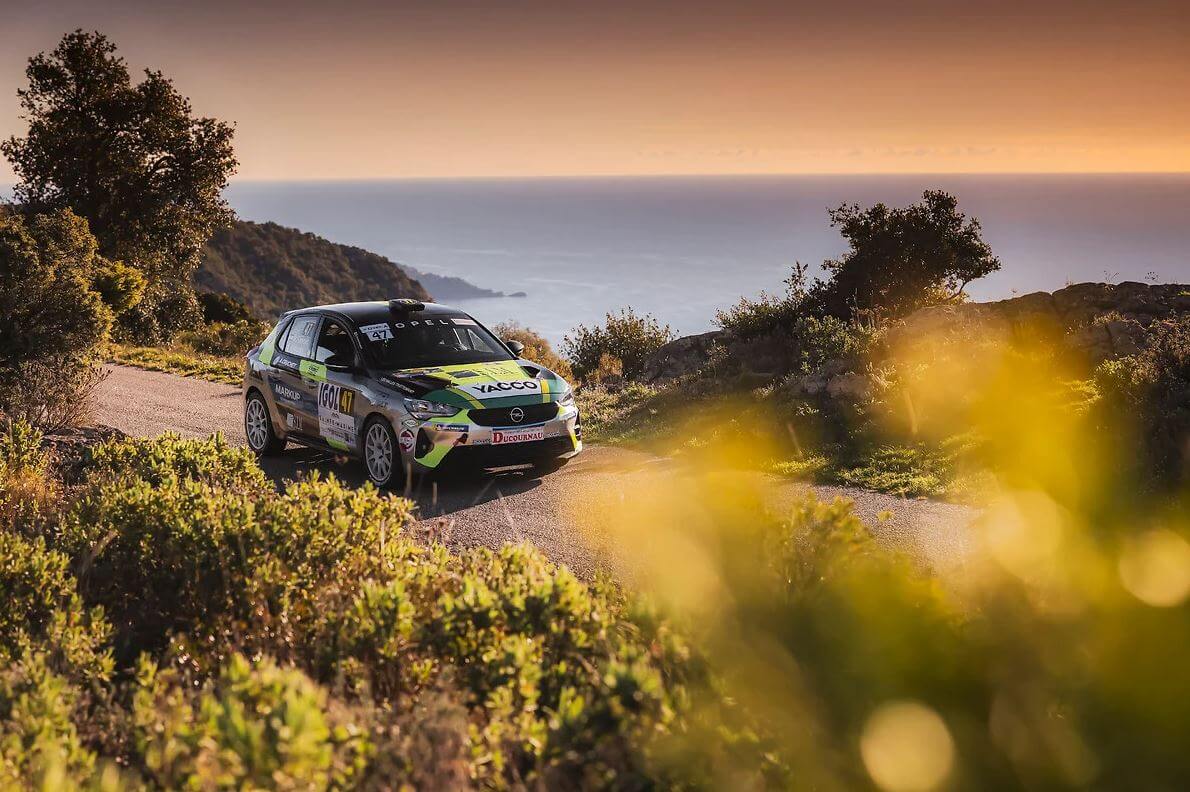
We remain within the same family as the SMRC6, but with far more developed machinery. A modern Rally4 delivers around 210 horsepower, powered by a 1.2-litre turbo engine, paired with a sequential gearbox, a proper competition chassis, strong performance for a front-wheel-drive car, and a level of operation that is already demanding 🔥
This is not a formula to gently discover rallying. It is a category for drivers who already have solid pace, a genuine sporting project and a strong budget.
🔎 See also: our full article on the SMRC4 and SMRC6 cups by Stellantis Motorsport.
SMRC4 Calendar and Format
In 2026, the SMRC4 is contested over six rounds, with four tarmac rallies and two gravel rallies:
- Rallye Le Touquet Pas-de-Calais
- Terre d’Aléria
- Rallye du Rouergue
- Terre de Lozère
- Rallye Cœur de France
- Critérium des Cévennes
The mix of tarmac and gravel is particularly interesting. A driver aiming to progress must be able to adapt to different surfaces, varying grip levels, diverse setups and very different pace profiles.
From a sporting perspective, the SMRC4 is probably one of the best current showcases for a young driver in France. The level is high, the gaps are often small, and the rewards are among the most attractive in national rallying 💪
Full-season registration is announced at €2,100 per crew. It is more expensive than the SMRC6, but this is also a higher-tier cup, with more competitive cars and more substantial prize funds 💶
Prize Money and Awards in SMRC4
At each round, more than €25,000 in prize money is announced, with part of it awarded in the form of vouchers for the Peugeot Sport Store.
The top 12 U30 drivers are rewarded. For example, the U30 winner receives €4,300, second place €3,300 and third place €2,300.
Expert drivers are not forgotten. The top four are rewarded, with €2,300 for the winner, €1,500 for second and €1,100 for third.
There is also a Super Special Stage. The driver who sets the fastest overall time in the final stage of the rally scores three additional points. And as in SMRC6, a set of six Michelin tyres is drawn by lottery before each round.
SMRC4 does not simply distribute prize money. Its goal is also to prepare drivers for higher categories. The end-of-season rewards are among the most attractive in French rallying.
Once again, the prize money does not fund a full season. But it creates an additional competitive incentive and helps to enhance performance.
Rally4 Budget in SMRC4
In terms of budget, a modern Rally4 requires a significantly greater investment than a Rally6 or a Rally5.
New, a fully built Peugeot 208 Rally4 is listed at just over €74,000 excl. VAT depending on configuration, which means nearly €90,000 incl. VAT.
On the used market, well-equipped cars are typically found between €60,000 and €80,000 incl. VAT, sometimes more depending on included spare parts, condition, history, suspension packages, wheels, spares and preparation level.
For rental, a French Rally Championship round in Rally4 can easily reach €15,000 excl. VAT, or even more depending on the event, tyres, testing, insurance and level of service.
ℹ️ The SMRC4 is therefore clearly not the most accessible formula. It is aimed more at drivers who already have solid experience, a clear sporting ambition and the ability to secure a serious budget.
However, the end-of-season rewards match the level.
The overall U30 winner is set to receive an official programme in a Lancia Ypsilon Rally2 HF in the French Rally Championship. Even older drivers are not overlooked, as the Expert winner is due to receive a car from the Stellantis Motorsport FR6 range: Peugeot 208 Racing Rally6, Opel Corsa Rally6 or Lancia Ypsilon HF Racing Rally6.
The SMRC4 is therefore a genuine launchpad toward higher levels. If the SMRC6 represents the first step, the SMRC4 is clearly a performance-oriented formula.
Rallye Jeunes FFSA: An Entry Path Not to Be Overlooked
Even though it is not a promotion formula in the traditional sense, it is important to mention Rallye Jeunes FFSA.
Rallye Jeunes is a talent detection programme. The principle differs from the trophies mentioned above: you do not enter with your own car, but go through selection rounds in a production-based vehicle, and the best participants can earn an official programme.
ℹ️ In 2025, for example, the winners were integrated into the SMRC6 with the Peugeot 208 Racing.
For a young driver without a major budget, this is probably one of the best possible entry points into rallying. Registration costs around €20, making the programme very accessible at the start.
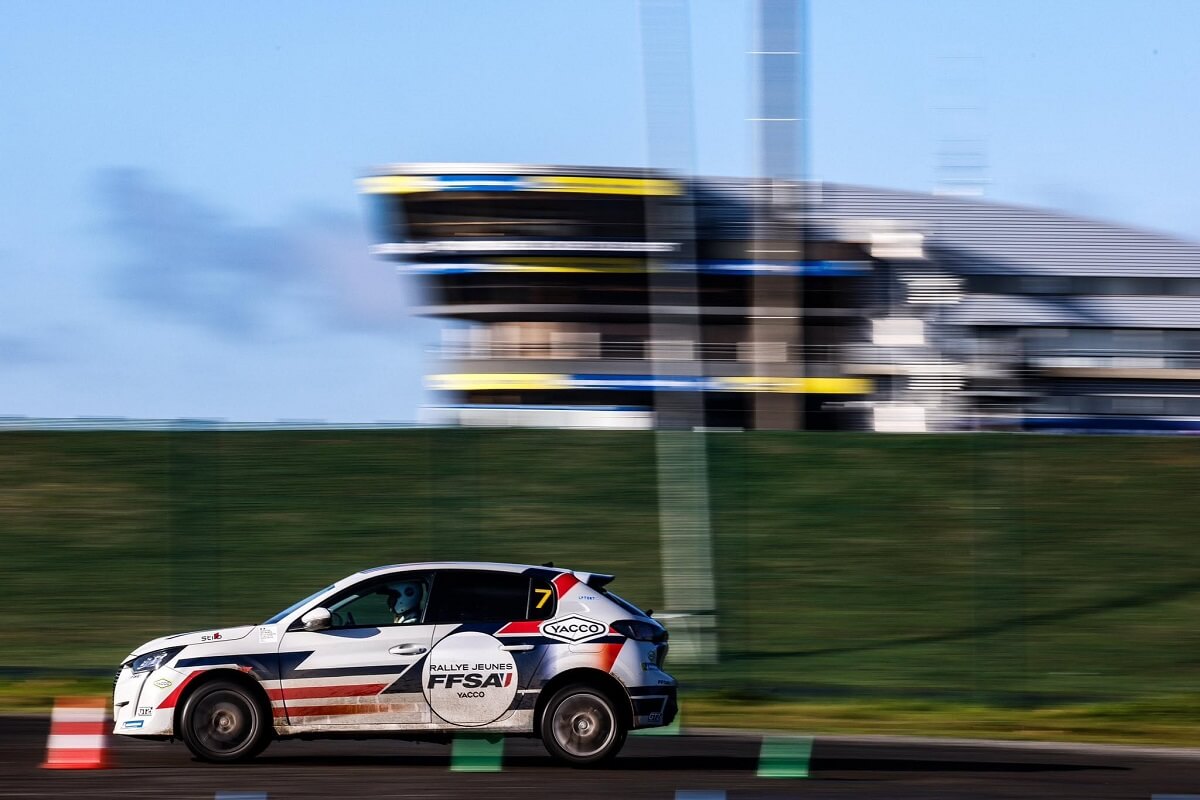
Of course, you still have to succeed in the selections. The competition is strong and the spots are limited. But for a young enthusiast who meets the criteria, it is clearly worth trying 😉
Rallye Jeunes also highlights an important reality: development pathways do exist, but they are selective. You must be fast, precise, consistent, capable of improving quickly and able to turn an opportunity into a real sporting project.
🔗 Visit the official Rallye Jeunes FFSA website
🆚 Comparison of the Main Rally Promotion Formulas
| Formula | Eligible Cars | Indicative Purchase Price | Indicative Rental | Suitable Profile |
|---|---|---|---|---|
| SMRC6 | Peugeot 208 Racing, Opel Corsa Rally6, Lancia Ypsilon HF Racing | From around €38,900 excl. VAT | €4,000 to €6,000 incl. VAT per round | First modern step in a manufacturer-backed cup |
| Clio Trophy France | Renault Clio Rally5 | Just over €50,000 excl. VAT | €8,000 to €10,000 excl. VAT per round | Driver aiming to compete against a large one-make field |
| Alpine A290 Rally Trophy | Alpine A290 Rally – 100% electric | €59,990 excl. VAT | Budget close to a Clio Rally5 according to early feedback | Original project, electric image, manufacturer programme |
| SMRC4 | Peugeot 208 Rally4, Opel Corsa Rally4, Lancia Ypsilon Rally4 HF | Around €74,000 excl. VAT and more depending on configuration | Around €15,000 excl. VAT per round, or more | Ambitious driver targeting performance and progression |
The SMRC6 is the most accessible formula on paper. It is based on Stellantis Rally6 cars, with around 145 horsepower, a new purchase price around €38,900 excl. VAT and rental budgets generally estimated between €4,000 and €6,000 incl. VAT per round. It is a solid entry point within a modern manufacturer-backed framework.
The Clio Trophy France sits above that. The Clio Rally5 is more competitive, more expensive and more educational. The new price exceeds €50,000 excl. VAT, and rental in the French Rally Championship often ranges between €8,000 and €10,000 excl. VAT. The main strength remains the highly competitive field.
The Alpine A290 Rally Trophy is the most original. The car is 100% electric, produces 220 horsepower and costs €59,990 excl. VAT. The programme is well structured and the prize fund substantial, but the market still needs time to evaluate real operating costs, long-term running and resale value.
The SMRC4 is the next step up. The Stellantis Rally4 cars are true performance machines, around 210 horsepower, with a new price close to €90,000 incl. VAT and rental budgets that can reach or exceed €15,000 excl. VAT per round. It is expensive, but it is also one of the best showcases for drivers aiming higher.
Which Promotion Formula Should You Choose Based on Your Profile?
The choice primarily depends on the driver’s level, their budget and their objective 🎯
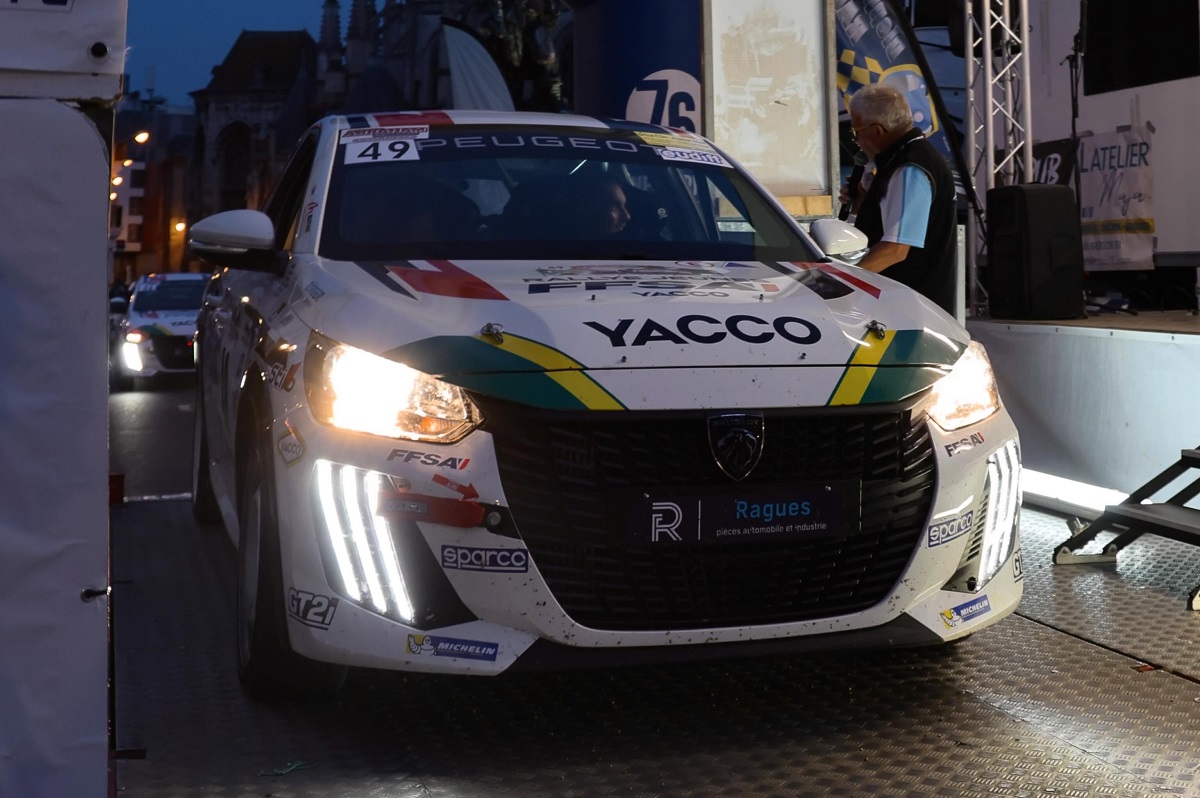
To start in a modern framework with a relatively accessible car, the SMRC6 appears to be the most logical option. It allows drivers to compete in a manufacturer-backed cup, with recent cars, a clear structure and a pathway to SMRC4 for the best Juniors.
To measure yourself against a large one-make field, the Clio Trophy remains a safe bet. The level is high, the grids are often very competitive, and the Clio Rally5 is an excellent learning tool. It is probably one of the most educational formulas for understanding where you stand against a large number of drivers.
To build an original project around electric mobility, the Alpine A290 Rallye deserves attention. Not everyone will embrace it, but the programme is serious, the prize fund is substantial and the image can appeal to certain partners.
To aim for pure performance and move closer to the top level, the SMRC4 is clearly the next step. The budgets are significant, but the rewards and pathways toward Rally2 make it a very attractive formula for ambitious drivers.
• SMRC6: to discover a modern manufacturer cup with a relatively controlled budget.
• Clio Trophy: to compete against a very large one-make field.
• Alpine A290 Rallye: to build an original electric-focused project.
• SMRC4: to target performance and prepare for the next step in Rally2.
Prize Money Is Not Enough to Fund a Season
This is an important point to remember.
Even in the best-funded formulas, prize money generally does not cover a full season. It can reduce the bill, help finance the next round, pay for part of the tyres or spare parts, but it does not replace an initial budget.
Rallying is expensive. Even in a promotion formula.
You need to finance the car purchase or rental, entry fees, service crew, tyres, fuel or energy, testing, travel, accommodation, insurance, excess, spare parts and sometimes repairs 🤕
A strong driver can reduce part of the cost thanks to results, but it is difficult today to imagine funding a full season solely with prize money. Those days, when some drivers could almost balance their programme by winning everywhere, are largely gone.
ℹ️ That is why a promotion formula project must be built seriously. It is not just about choosing the car. You need to consider the full budget, partners, communication, team structure, calendar and sporting objective.
See also: “Rally car rental: the pitfalls to know before signing”
A Real Development Path in French Rallying
What is interesting today is that there is a genuine development ladder.
It is not perfect. Budget will always remain a limiting factor. Opportunities will always be scarce. And talent alone will never be enough if the project is not properly structured.
But at least the pathways exist.
For a young driver, that is essential. It allows you to present a coherent project to partners: a first season to learn, a structured formula to showcase your performance, a potential reward to step up, and a clear progression toward higher categories.
This is also what makes these formulas attractive to sponsors. They provide a framework, a calendar, a story to tell and results that are easier to understand.
Unlike a season contested in a traditional class, a promotion formula generally offers a clear calendar, a dedicated classification, regular communication and defined rewards. The project is often easier to explain and promote to partners.
Conclusion: Expensive Formulas, but Valuable for Visibility
Rally promotion formulas are not miracle solutions for competing on a small budget. Even the SMRC6, which currently appears to be the most accessible among major manufacturer cups, already requires a significant budget.
But these formulas have real value.
They allow drivers to compete in a structured framework, reduce technical disparities, benefit from greater visibility, earn prize money and, for the best, hope for a genuine pathway to the next level.
The right choice therefore depends on the driver’s profile. Starting out, learning, showcasing talent, targeting performance, attracting sponsors or preparing to step up to a higher category: each formula has its own logic.
But in all cases, one thing must be kept in mind: a promotion formula does not replace a well-built project. It can help you progress, gain visibility and open doors, but budget, preparation and support remain decisive.
If you are looking for a rally car to buy or rent, you can also browse the listings available on GoToTheGrid, including Rally6, Rally5, Rally4 or Rally2 cars.
➡️ See all rally cars for sale or rent on GoToTheGrid.
[VIDÉO] Rallying: The REAL COST of One-Make Rally Series


I'm Robin, 36, amateur driver and internet entrepreneur. I founded GoToTheGrid (GTTG) to create an intuitive platform dedicated to motorsport enthusia... See more