

 Login
Login
 Post an ad


Historic Tour: the French Historic Circuit Championship
By RobinB on 24 March 2026 Circuit / Race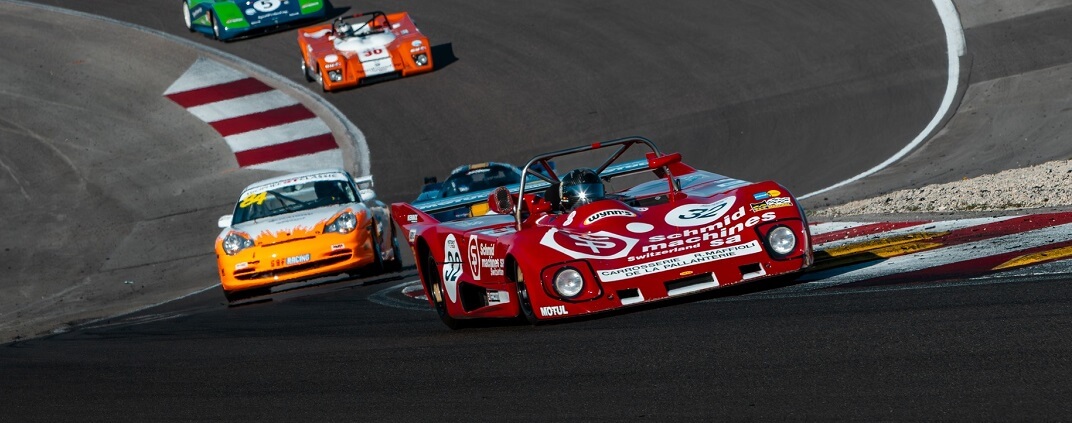
When talking about historic circuit racing in France, it is hard to overlook the Historic Tour. Officially known as the French Historic Circuit Championship, this series is organized under the authority of the FFSA and promoted by HVM Racing 🏁
Over the years, it has established itself as one of the major events in historic motorsport, offering the chance to see single-seaters, GT cars, prototypes, and touring cars from past eras competing in a true racing environment. In 2026, the Historic Tour is already entering its twelfth season!
The idea is simple: bring motorsport heritage to life where it belongs most — on track 🥳
In practical terms, the Historic Tour allows spectators to see competition cars from different eras, ranging from the 1950s to the late 1990s and, for certain grids, the early 2000s. Single-seaters, GT cars, prototypes, and touring cars all take to the track across multiple categories.
The result is a rather unique blend of automotive heritage and real competition. Some of the cars entered have even been competing in the championship for many years, maintained and run either by their owners or by specialized teams.
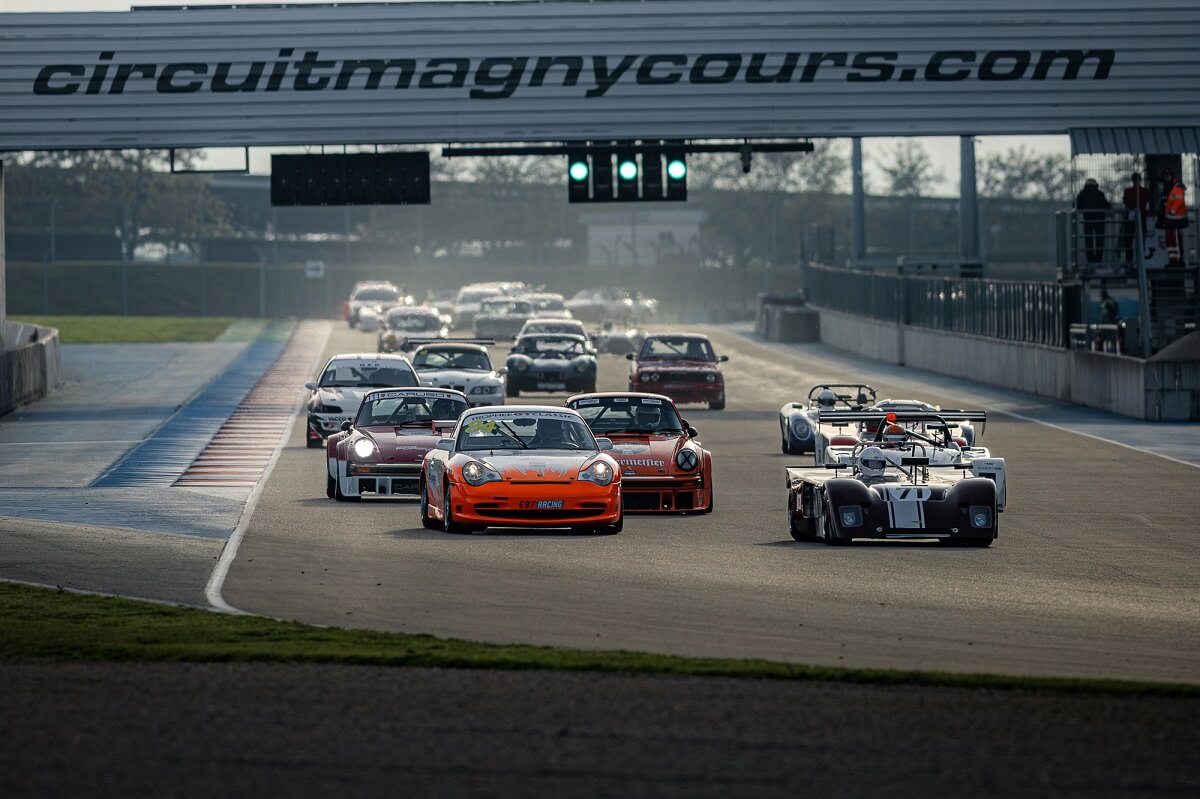
For enthusiasts, the Historic Tour offers another major attraction: it is one of the rare opportunities to see so many different cars in the same place. During a Historic Tour meeting, multiple grids take to the track one after another, covering several decades of motorsport history. Between former promotional single-seaters, historic GT cars, and more recent youngtimers, the show is highly varied and the grids are often very competitive 😍
HVM Racing, Organizer of the Historic Tour
Behind the Historic Tour stands HVM Racing, the organization responsible for running and promoting the French Historic Circuit Championship.
For several years, HVM Racing has specialized in the organization of historic competition car races. The organization works closely with the FFSA to oversee these events and further develop this type of circuit competition.
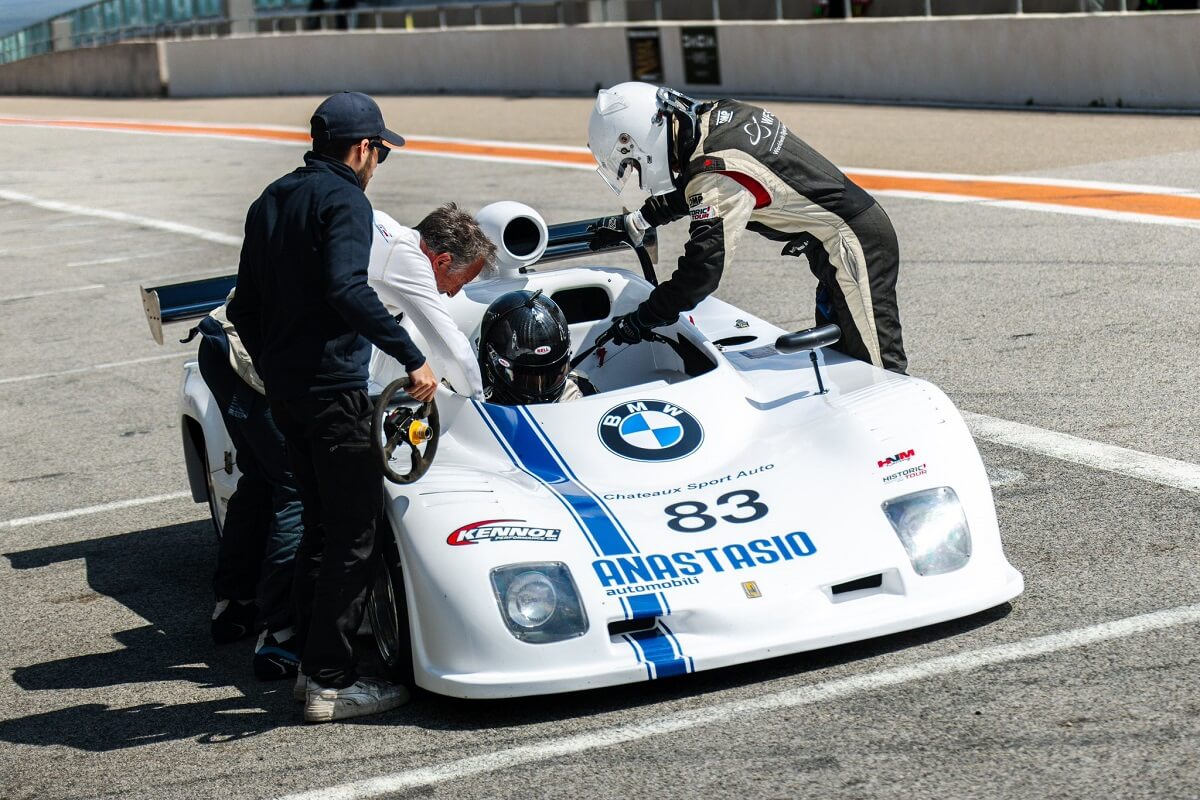
HVM Racing is also behind several major events well known among enthusiasts, such as the KENNOL Grand Prix de France Historique, the Dijon Motors Cup, the Magny-Cours Racing Cup, the Interseries (F2 and F3 Classic), and of course the Historic Tour 🙂
Added to this is the Gran Premio Storico d’Italia, a brand-new event launched in 2026 at the Mugello Circuit, in collaboration with Ferrari. This large-scale international meeting will bring together more than 200 historic cars, including numerous Formula 1 cars from the 1960s through to the 2000s, with a program combining races, demonstrations, and paddock access for spectators.
Each season, these meetings bring together numerous trophies and series dedicated to historic racing cars. The philosophy remains the same: allow these machines to continue racing while giving the public the opportunity to see them in action on track 👌
Main Grids of the 2026 Historic Tour
The championship is structured around several grids grouping different categories of historic cars. Among the series present in 2026 are the FRenault Historic & Classic, Formula Ford Kent, the Challenge Formula Ford Historic, the Trophée Lotus, the new Sprint Series Pre-66 and Sprint Series Pre-81, the GT Classic, the Youngtimers 2L Cup, as well as the 200 km of the Historic Tour 🏁
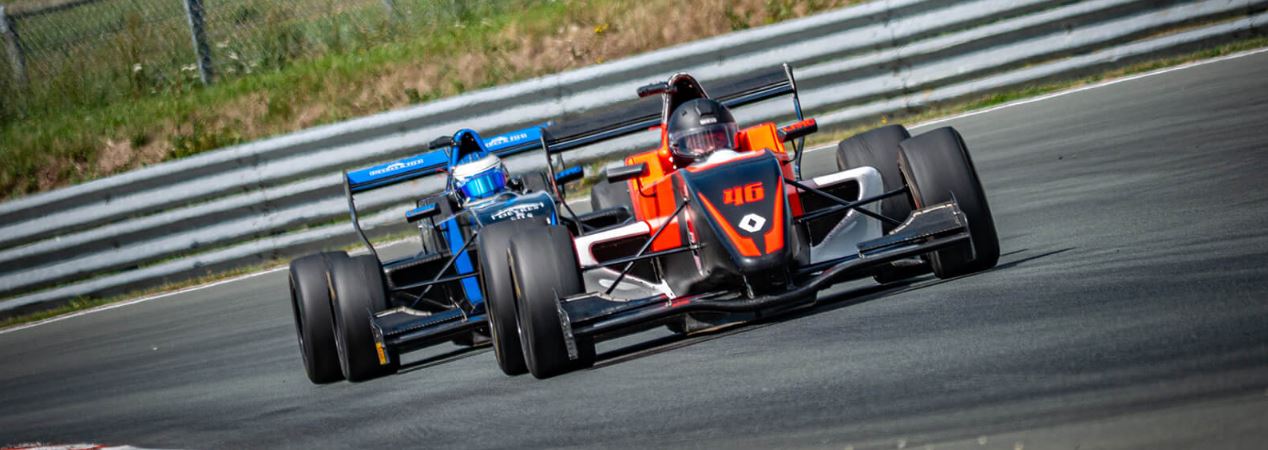
FRenault Historic & Classic
The FRenault Historic & Classic grid brings together various generations of single-seaters from the Formula Renault ladder. It notably includes 1980s turbocharged Formula Renault cars, as well as the later naturally aspirated 1721 cc versions.
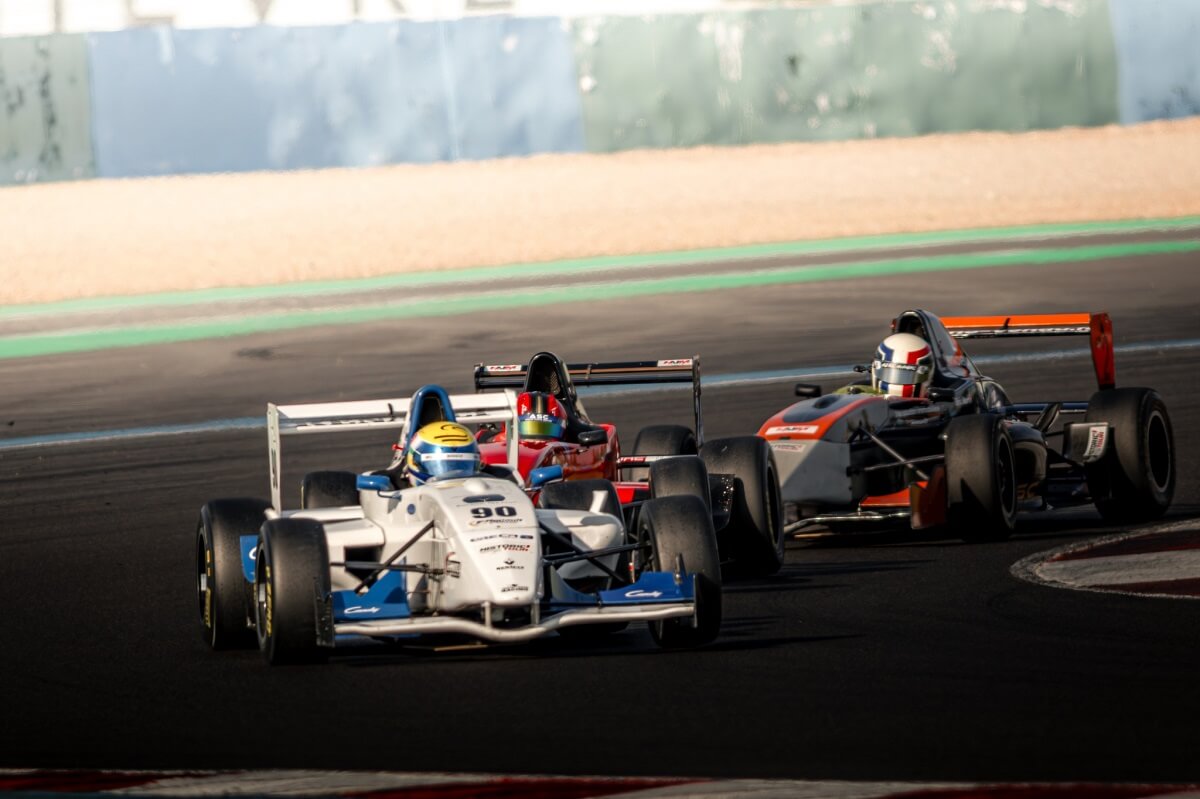
Since 2025, eligibility has also been extended to more recent Formula Renault models, built and entered in official competition between 1995 and 2009, whether in 1.6-litre or 2.0-litre versions.
The entered cars are then divided into several categories. Formula Renault Historic includes single-seaters that competed in official events before the end of 1994 (Martini MK41, Martini MK63…). Formula Renault Classic covers more recent generations entered in competition between 1995 and 2009, mainly featuring Tatuus 2000 models.
See also: "Single-Seater Motorsport in France: Where and How to Race"
ℹ️ Recently, the grid has also opened up to certain invited single-seaters. This notably includes early generations of Formula 4, now eligible in their original configuration. Other historic single-seaters with comparable performance may also be admitted on occasion, such as certain Formula Ford 2000, Formula Super V, or older Formula 3 cars. These vehicles generally compete as guests and do not score points in the French Historic Circuit Championship.
Formula Ford Kent and Challenge Formula Ford Historic
Formula Ford also plays a major role in the Historic Tour. These single-seaters long represented one of the main feeder categories in motorsport, renowned for their technical simplicity and relatively controlled costs.
See also: "Formula Ford : single-seaters accessible to all"
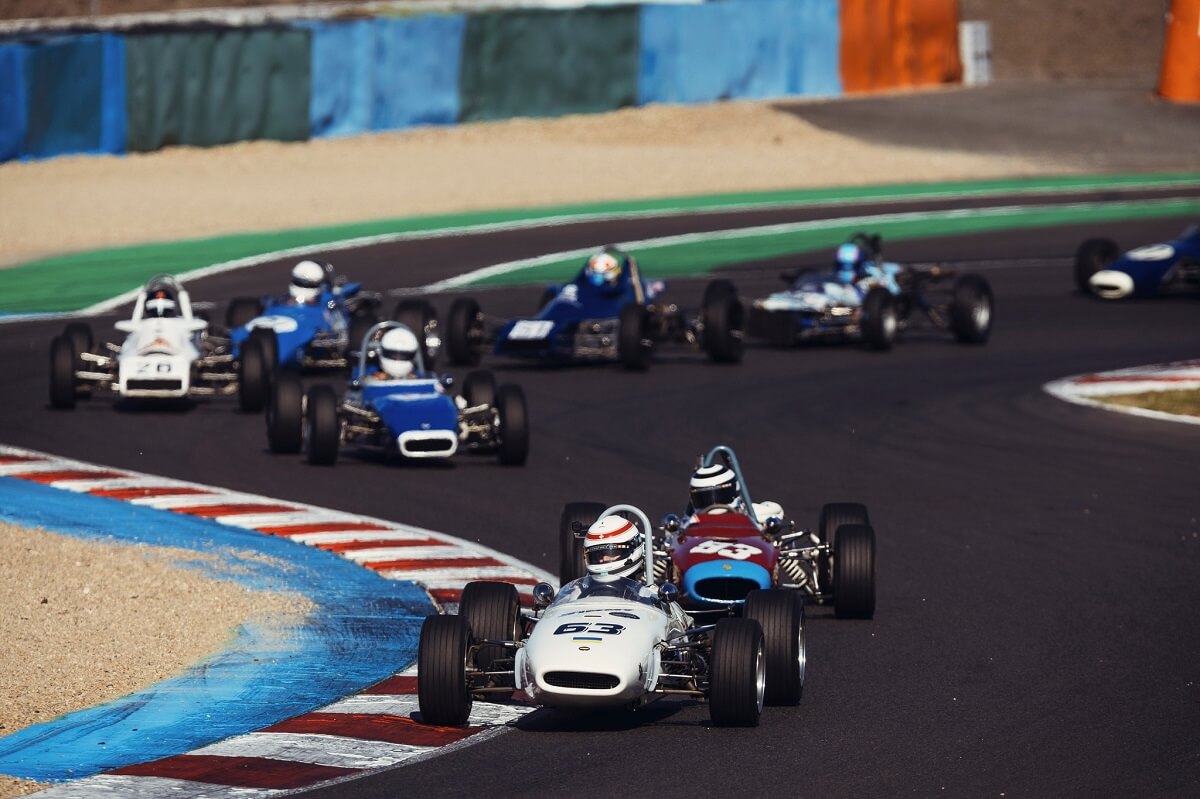
Two separate grids are part of the championship, although they usually compete on the same track grid 🔥
The Formula Ford Kent Trophy brings together single-seaters powered by the iconic Ford 1600 Kent engine, built between 1967 and 1992. With no sophisticated aerodynamics or electronic aids, these cars place the emphasis firmly on pure driving skill, often producing closely fought races.
The Challenge Formula Ford Historic France, created in 2003, is aimed at earlier generations of Formula Ford, featuring cars built between 1967 and 1981 in their original configuration, generally without wings. The cars are divided into several periods according to their year of manufacture: GR (1967–1971), HR (1972–1976), and IR (1977–1981).
ℹ️ As in period, all these single-seaters use the 1600 cc Ford Kent engine, helping to maintain a balanced performance level and often highly competitive races. The two series operate in a very similar way and regularly share the same grids during Historic Tour meetings 😍
Trophée Lotus
The Trophée Lotus is one of the well-established grids of the Historic Tour. It mainly features Lotus Seven Series I, II, III, and IV models built between 1957 and 1999, as well as Caterham models powered by the 1600 cc engine, direct descendants of the famous Seven.
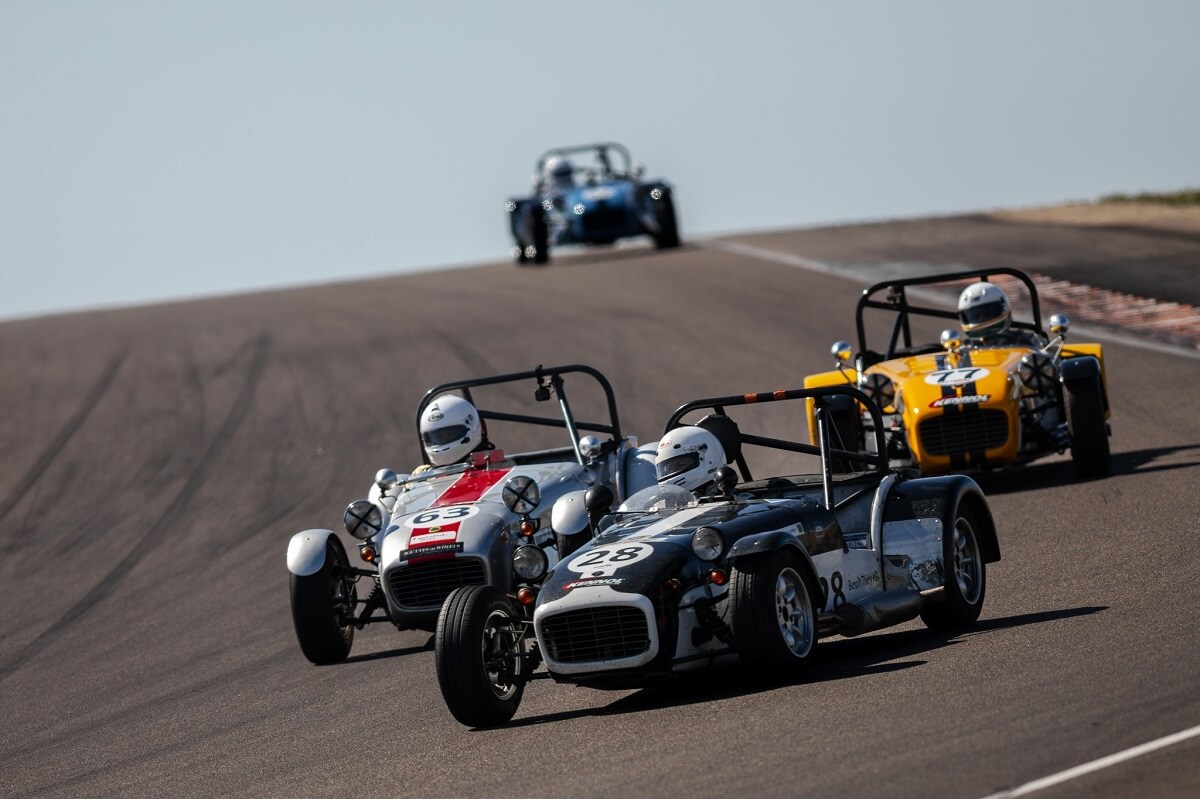
These lightweight and minimalist cars remain true to the philosophy imagined by Colin Chapman: a simple chassis, minimal weight, and maximum driving sensations. On track, this translates into highly competitive races, with limited performance gaps and particularly engaging driving for spectators to watch 🔥
ℹ️ Other historic Lotus models may occasionally be admitted by invitation, but they do not take part in the trophy classification.
Sprint Series Pre-66 and Sprint Series Pre-81
This is one of the notable recent developments within the Historic Tour. For 2026, HVM Racing has introduced two new Sprint Series grids, organized by historic period rather than solely by engine capacity or power output.
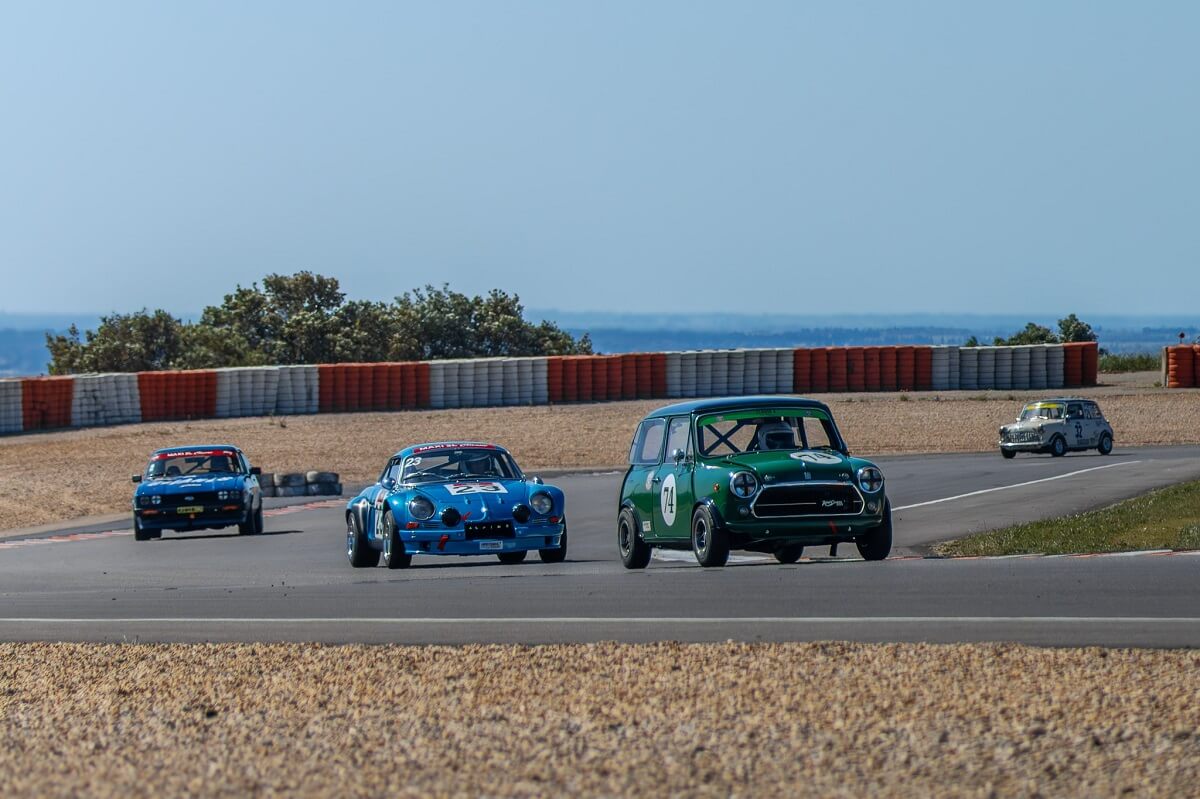
The Sprint Series Pre-66 brings together front-engined saloons, GT cars, and small sports cars homologated up to 31 December 1965, whether under or over 2 litres of displacement. Cars previously spread across several grids — such as the Maxi 1300 Series, Maxi 2L Classic, or Racing Over 2L — are now grouped on a single grid.
The Sprint Series Pre-81 follows the same principle but applies to saloons and GT cars homologated up to 31 December 1980, covering a broader era of 1970s touring and GT racing.
ℹ️ The aim of this new structure is to group cars by generation, creating historically coherent grids that are also easier for spectators to understand. The cars share a common grid but are then divided into multiple classes based on type and engine capacity, with separate classifications for saloons and GT cars under and over two litres 👌
GT Classic
The GT Classic grid brings together production-based GT cars, competition cars, models from one-make cups, as well as certain Group B and Group 5 cars produced between 1 January 1982 and 31 December 2001.
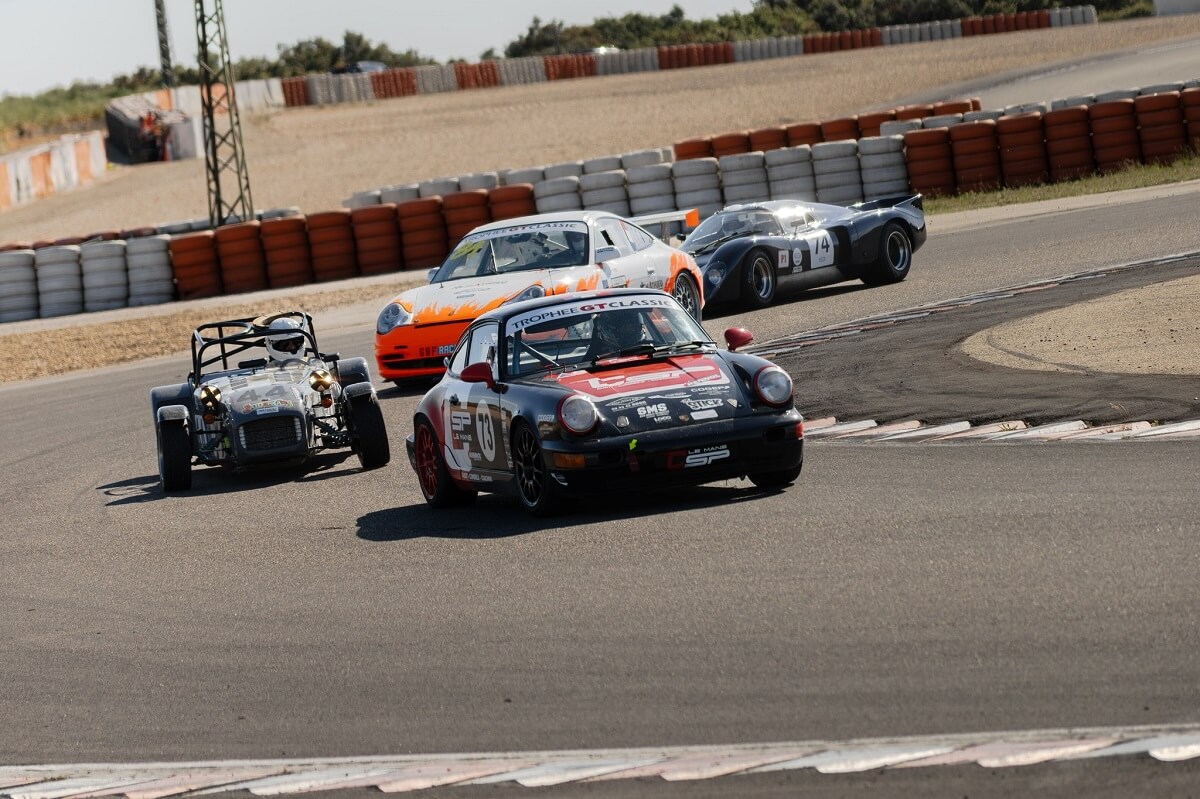
This category features a wide variety of relatively modern GT and touring cars by historic racing standards, mainly covering the 1980s, 1990s and early 2000s. Unlike some older historic categories, cars entered in GT Classic do not require a Historic Technical Passport (HTP), which makes access to this grid easier for certain models 👍
This grid often acts as an interesting bridge between older historic categories and more recent competition cars.
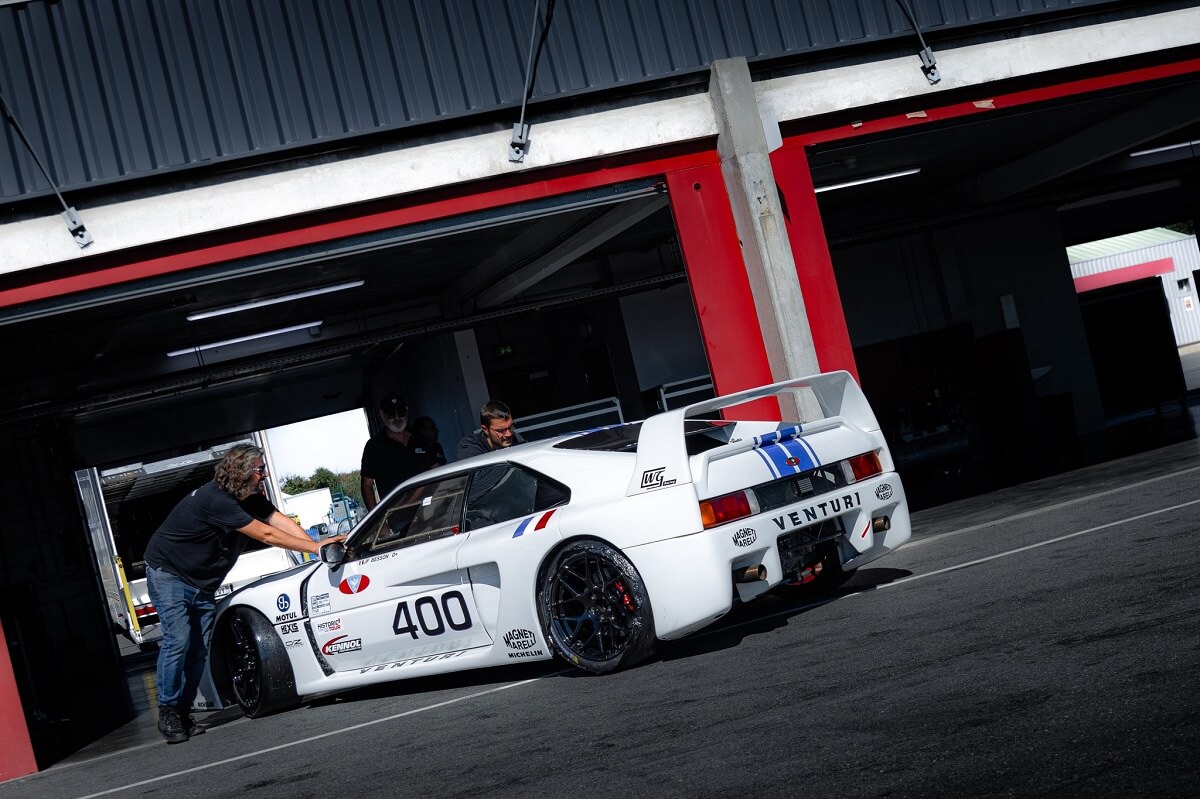
ℹ️ Last year, the grid was largely made up of Porsche models, with numerous 996, but also some 997, 993, 930, and 964. Other more unusual models were also present, such as a Venturi 400 Trophy, a Lotus Elise S1, and a Maserati 4200 Trofeo 😍
Youngtimers 2L Cup
The Youngtimers 2L Cup is probably one of the most relatable grids for many enthusiasts, as it features cars directly associated with the golden era of GTI and hot hatchbacks from the 1980s and 1990s.
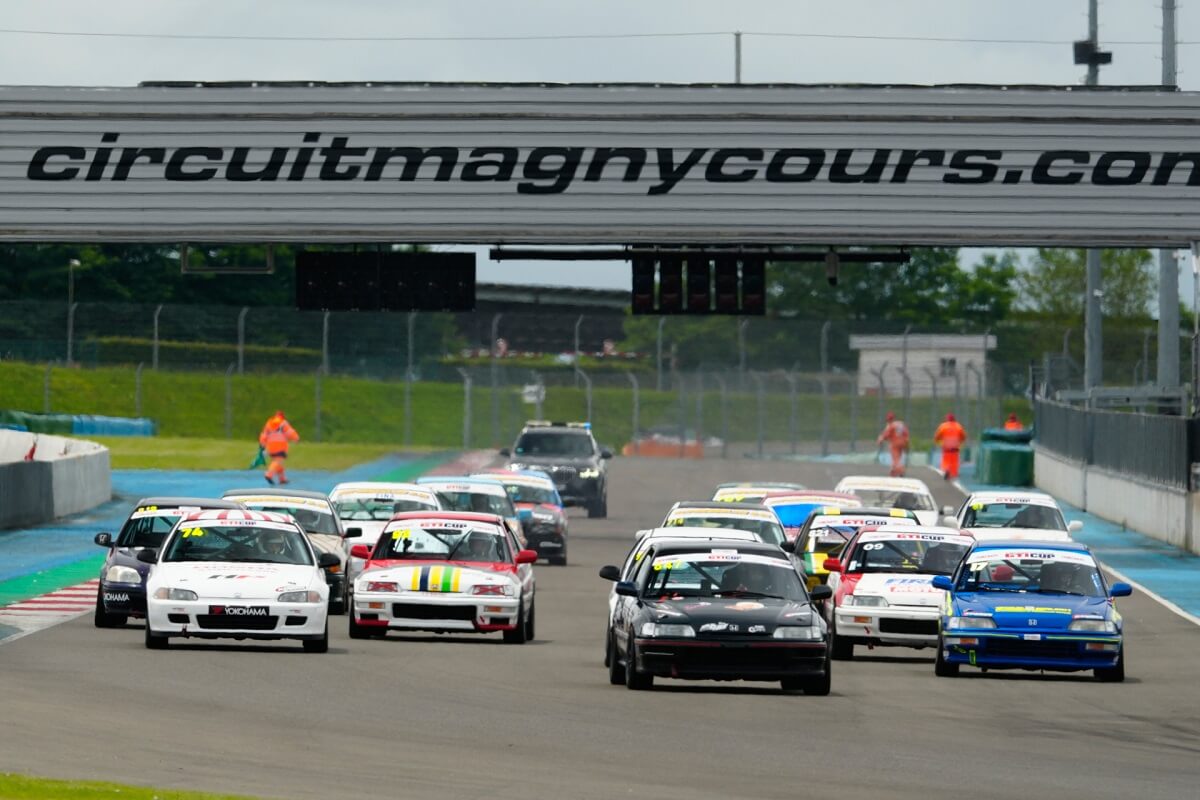
The grid is open to cars under 2 litres homologated by the FIA in Group N or Group A, divided into two main families: GTIs homologated before 31 December 1990 and youngtimers homologated up to 31 December 1997. The cars remain close to their period configuration, preserving the spirit of the popular small sports cars of that era 👌
ℹ️ Among the models frequently seen on the grid are now-iconic cars such as the Renault 5 GT Turbo, Peugeot 205 GTI, Volkswagen Golf GTI, Honda Civic (EK4, EG6 and EG9), Peugeot 309 GTI, and Opel Kadett GSi. Kit Cars and Superproduction models are not admitted. Cars are divided into several classes according to their preparation (Group N or Group A) and engine capacity 🔧
See also: "SuperBerline 2.0L – BTCC is back!"
The 200 km of the Historic Tour
The 200 km of the Historic Tour represent the endurance component of the championship. The format is straightforward: a 90-minute race, preceded by a 30-minute qualifying session, with two mandatory pit stops of at least 2 minutes and 30 seconds ⏱️
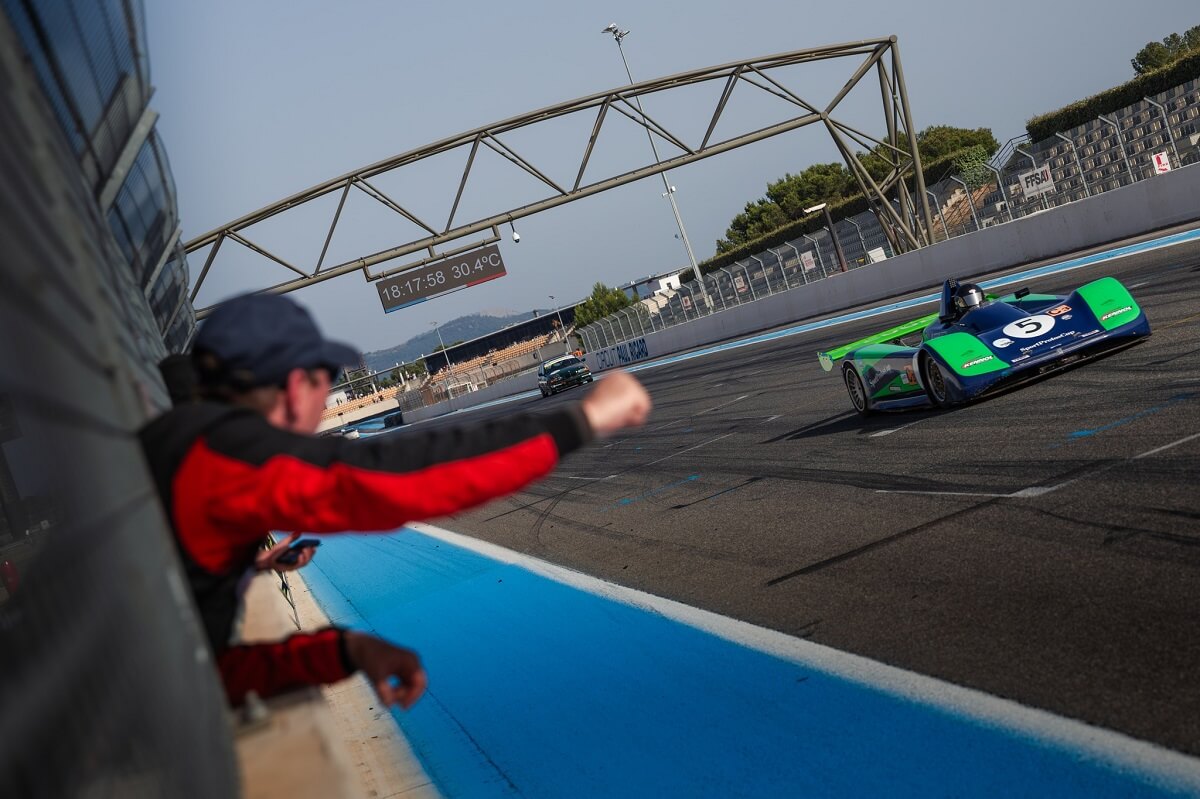
Teams can consist of one to three drivers, and the classification is established per crew rather than per individual driver. Refuelling is allowed in a dedicated area, operated by the official supplier Sodifuel, under a strict procedure.
Eligible cars include saloons, GT cars, and prototypes produced up to 2000, provided they qualify for one of the Historic Tour trophies or grids. Single-seaters, however, are not admitted.
At the finish, an overall scratch classification is established for the entire grid. The races then count towards a specific Historic Circuit Endurance category standings. At the end of the season, three French championship titles are awarded: one for prototypes up to 2000, one for Pre-90 GT/Touring cars, and one for Post-90 GT/Touring cars 🏆
Summary Table of Historic Tour Grids
| Grid | Type of Cars | Period / Characteristics |
|---|---|---|
| FRenault Historic & Classic | Feeder single-seaters | Turbo and naturally aspirated Formula Renault up to 2009, Gen1 F4 invited |
| Formula Ford Kent | Historic single-seaters | Formula Ford 1600 Kent built between 1967 and 1992 |
| Challenge Formula Ford Historic | Historic single-seaters | Formula Ford 1967–1981 in original configuration |
| Trophée Lotus | Lightweight sports cars | Lotus Seven and Caterham 1600, plus certain invited Lotus models |
| Sprint Series Pre-66 | Saloons, GTs and small sports cars | Cars homologated up to 31/12/1965 |
| Sprint Series Pre-81 | Historic GT and touring cars | Cars homologated up to 31/12/1980 |
| GT Classic | Modern historic GT and touring cars | Cars from 1982 to 2001, Group B, Group 5 or one-make cups |
| Youngtimers 2L Cup | Sport compact cars | Group N or A GTIs and youngtimers <2L homologated up to 1997 |
| 200 km of the Historic Tour | Historic endurance | Saloons, GTs and prototypes eligible for the grids (excluding single-seaters) |
Guest Grids at the Historic Tour
In addition to the series that form the French Historic Circuit Championship, some Historic Tour meetings also welcome guest grids. These series are not part of the FFSA championship but complement the weekend program and enrich the grids 👌
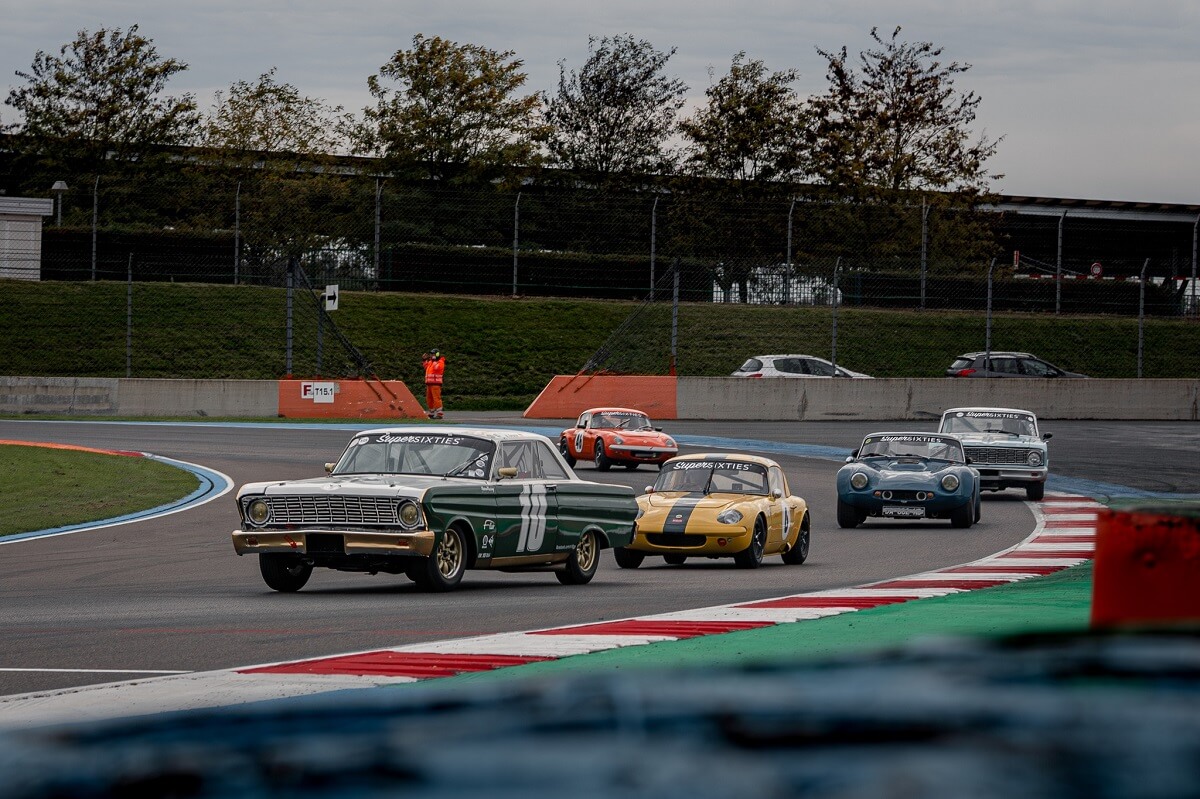
Among the regularly featured guest grids is the Saloon Car Trophy, a series dedicated to touring cars and GTs produced between the 1960s and the late 1990s. The technical regulations are deliberately more flexible than in some historic categories, allowing cars that do not always comply with FIA homologation papers or the Historic Technical Passport (HTP). Cars are generally divided by decade (Sixties, Seventies, Eighties, Nineties), with both class and overall classifications.
Some meetings may also host invited international series, such as the Colmore YTCC (Youngtimer Touring Car Challenge), a European championship featuring touring cars, GTs, and sometimes historic prototypes. These international grids typically appear at a specific event on the calendar 🌍
See also: "Trophée Protos de France: Racing Sport Prototypes on a Controlled Budget"
Finally, more specialized series may appear on occasion, such as the European GT Lite Challenge, which notably gathers modern Lotus customer race cars like the Lotus Exige V6 Cup R or the Elise Cup PBR.
The presence of these guest grids varies depending on the meeting and further enhances the diversity of cars on track during Historic Tour weekends 😋
➡️ View all historic race cars listings on GoToTheGrid 😉
The 2026 Historic Tour Calendar
The 2026 Historic Tour season takes place across several well-known French circuits familiar to motorsport enthusiasts. Each meeting brings together all the championship grids and offers a full weekend of practice sessions, qualifying, and races.
• 24 – 26 April 2026: Circuit de Dijon-Prenois
• 22 – 23 May 2026: Circuit du Val de Vienne – Le Vigeant
• 18 – 20 September 2026: Circuit de Charade
• 16 – 17 October 2026: Circuit de Nevers Magny-Cours
Depending on the meetings, certain series may also appear at other major historic motorsport events, such as the KENNOL Grand Prix de France Historique.
Why Is the Historic Tour So Popular?
Beyond being just a championship, the Historic Tour is above all a true immersion into the history of motorsport. From one grid to another, several decades of competition unfold on track: from feeder single-seaters to GT and touring cars that marked entire generations of enthusiasts.
On French circuits, these cars continue to run where they have always belonged: in competition. The sound of the engines, the period liveries, and the on-track battles are a reminder that these machines were not designed to remain motionless in museums 💪
The Historic Tour is also a meeting place for enthusiasts. Drivers, mechanics, collectors, and spectators share the same fascination for these history-laden cars. In the paddocks, which are often open to the public, it is possible to get close to the cars, speak with the teams, and discover what goes on behind the scenes 🤩
For many, attending a Historic Tour meeting feels like travelling back in time. Cars from the 1960s, 70s, 80s, and 90s take turns on track, recalling the great eras of motorsport. It is a rather unique way of keeping this mechanical heritage alive, while continuing to see these cars where they have always belonged: on track 😍
👉 Frequently Asked Questions About the Historic Tour
Most grids run sprint races of around 20 to 25 minutes, usually two per weekend. Some categories may feature slightly different formats depending on the meeting. The championship also includes an endurance race with the 200 km of the Historic Tour, a race of around 90 minutes with two mandatory pit stops. During a Historic Tour weekend, around ten grids can take to the track, covering several decades of motorsport history. Several types of cars are admitted depending on the grid: historic single-seaters (Formula Renault, Formula Ford), GT cars, touring cars, prototypes, or youngtimers. Each series has its own technical regulations and eligibility criteria. The Historic Tour is open to drivers with an eligible car in one of the championship grids and a valid FFSA or foreign ASN license. Depending on the category, some cars must hold a Historic Technical Passport (HTP), while other grids accept cars compliant with their specific technical regulations. Many drivers compete with their own cars, but it is also possible to enter through a specialized team offering the rental and operation of historic race cars. Entry fees vary depending on the grid. For the 2026 season, annual registrations for certain trophies are listed at amounts such as €390 incl. VAT for the Youngtimers 2L Cup, €450 incl. VAT for the FRenault Historic & Classic, €610 incl. VAT for the Sprint Series Pre-66 and Pre-81, or €120 incl. VAT for a crew entry in the 200 km of the Historic Tour. These fees are then complemented by per-meeting entry fees, which vary depending on the circuit, series, number of drivers, and any additional services. For the exact and up-to-date pricing, it is therefore necessary to consult the official entry forms published by the organizer. Yes. Meetings are generally open to the public, with tickets available via the circuits or the organizer. Unlike some modern championships, paddock access is often possible, allowing spectators to see the cars up close and interact with the teams. Yes. The races are filmed and broadcast live on the HVM Racing YouTube channel. At the circuits, the coverage is also shown on giant screens during the meetings 🎥 Entry lists, schedules, and results are generally published before each meeting on the organizer’s website as well as on the official timing platforms. The Grand Prix de France Historique is a standalone event held at the Paul Ricard circuit, while the Historic Tour is a championship contested across several circuits throughout the season.What is the race format of the Historic Tour?
How many grids compete during a meeting?
What cars can participate in the Historic Tour?
How can you take part in the Historic Tour?
How much does it cost to enter the Historic Tour?
Can you attend Historic Tour races as a spectator?
Can you watch the Historic Tour races live?
Where can you find entry lists and results?
What is the difference between the Historic Tour and the Grand Prix de France Historique?


I'm Robin, 36, amateur driver and internet entrepreneur. I founded GoToTheGrid (GTTG) to create an intuitive platform dedicated to motorsport enthusia... See more