

 Login
Login
 Post an ad


Why Are Small Rally Car Prices Soaring?
By RobinB on 23 August 2026 Rally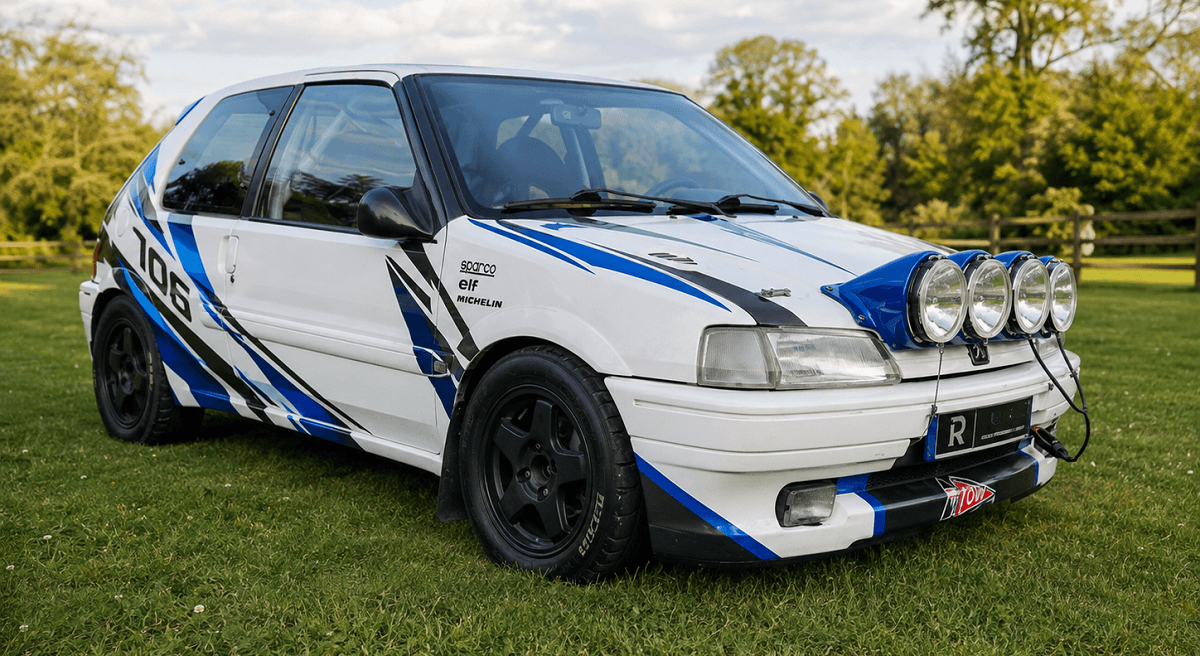
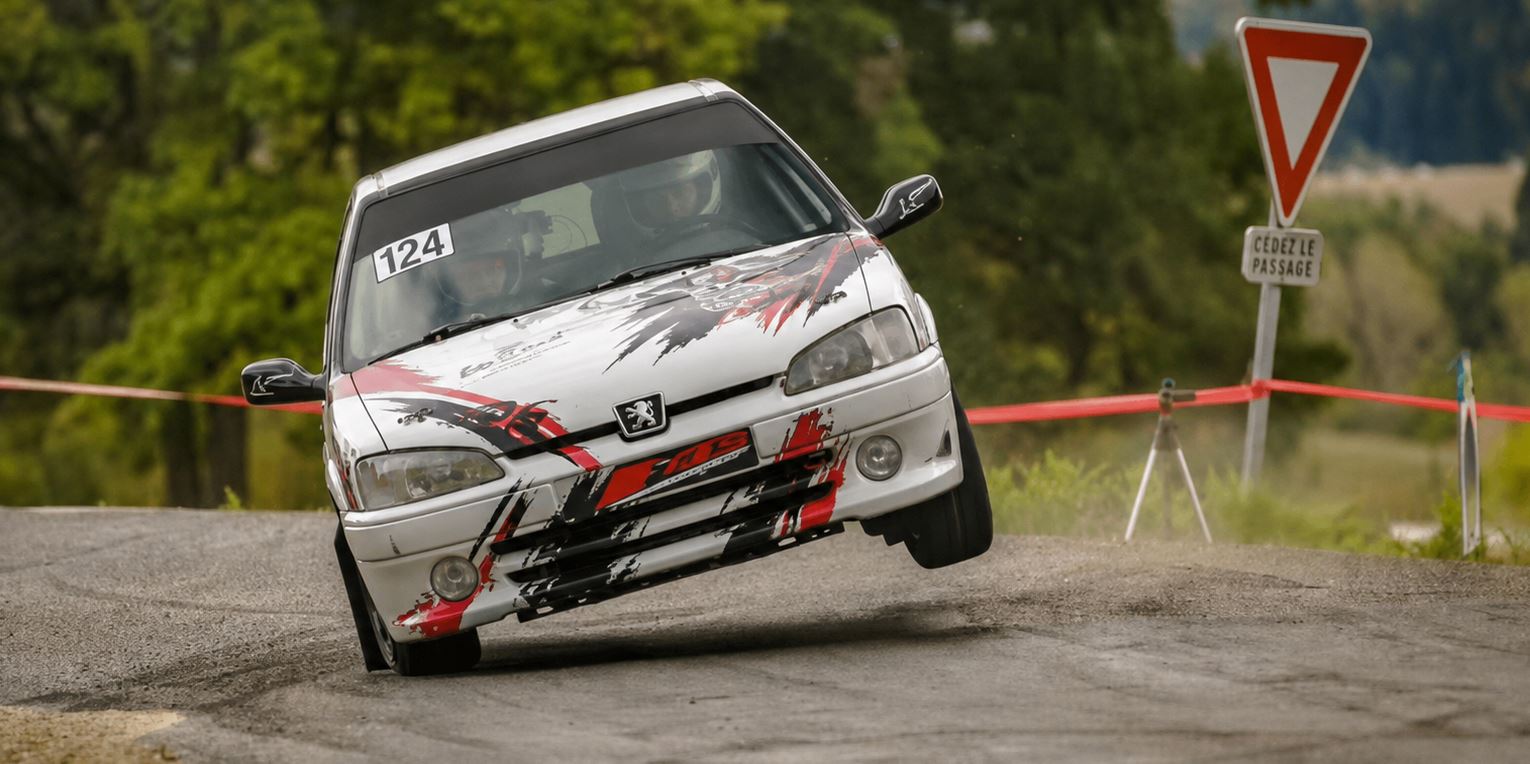
For many years, N1 cars and, later on, N2 Production cars were among the most affordable ways to get started in rallying. Peugeot 106s, Citroën AXs, Saxos, Peugeot 205s... Simple, lightweight cars that weren't especially powerful, but more than capable of teaching the fundamentals of rallying—and, above all, far cheaper than higher categories.
ℹ️ Do you prefer watching a video? This article is also available in video format on YouTube, click here! 🎥
The N2 Production class also includes slightly newer models such as the Peugeot 206, Citroën C2 and Renault Clio 2.
On paper, they still represent an excellent entry point into rallying today. The problem is that prices have increased dramatically.
Finding a good N1 for under €10,000 has become genuinely difficult. They still exist, of course, but you have to look closely at what you're buying: the condition of the shell, the quality of the roll cage installation, the gearbox, engine, dampers, safety equipment and any spare parts included with the car.
➡️ Looking for an affordable rally car to get started? Browse all the rally cars for sale on GoToTheGrid 😋
An N1 priced at €7,000 or €8,000 that immediately needs an engine rebuild, gearbox work, four new dampers and updated safety equipment isn't necessarily a better deal than a well-prepared car advertised at €12,000.
On the other hand, not every N1 listed at €12,000, €13,000 or €15,000 offers the same value either.
👉 There's a world of difference between a car with a standard gearbox, no limited-slip differential, a basic bolt-in roll cage and a tired shell, and one fitted with a proper gearbox, an LSD, a high-quality welded roll cage, good dampers and a freshly built engine. It's only natural that they won't command the same price.
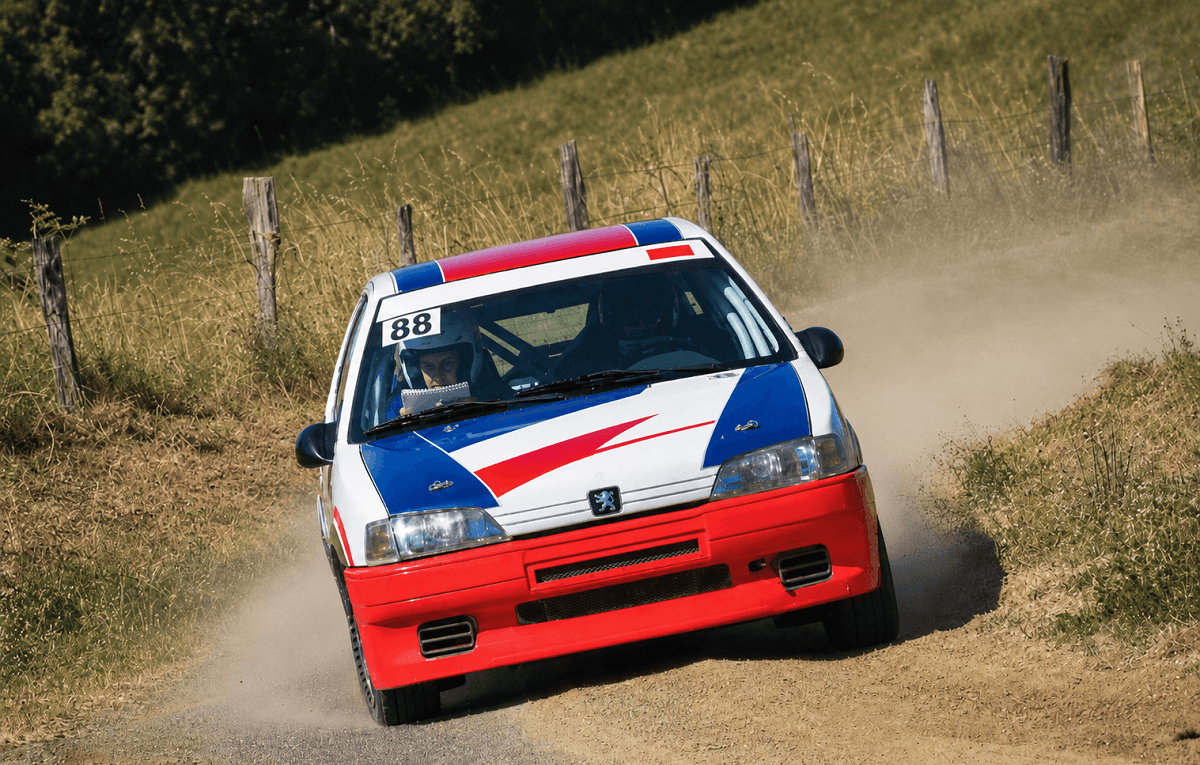
Average Asking Prices Around €12,000
Looking at the N1 cars currently advertised on the main specialist motorsport classifieds websites, including GoToTheGrid, the average asking price is now around €12,000. N2 Production cars sit at a very similar level.
It's important to emphasise that these are asking prices. A car can remain listed for six months or even a year at €15,000 without ever finding a buyer at that price. The advertised figure doesn't necessarily reflect the car's true market value 😉
Even so, if you regularly follow the classifieds, the trend is quite clear: good N1 rally cars are now commonly advertised between €10,000 and €15,000. We even recently came across a Peugeot 205 Rallye N1 listed at almost €20,000 😮
For a category that was once considered one of the cheapest ways to get into rallying, seeing an N1 approach €20,000 inevitably raises eyebrows. And that's usually when the same explanation comes up: speculation.
There's probably some truth to that...
Some sellers see another car advertised at €12,000, decide theirs has better equipment or is in better condition, and list it at €13,000. Then another appears at €14,000, the next at €15,000... and gradually the asking prices can drift away from what buyers are actually willing to pay.
But speculation alone doesn't explain the current price increases 🙅♂️
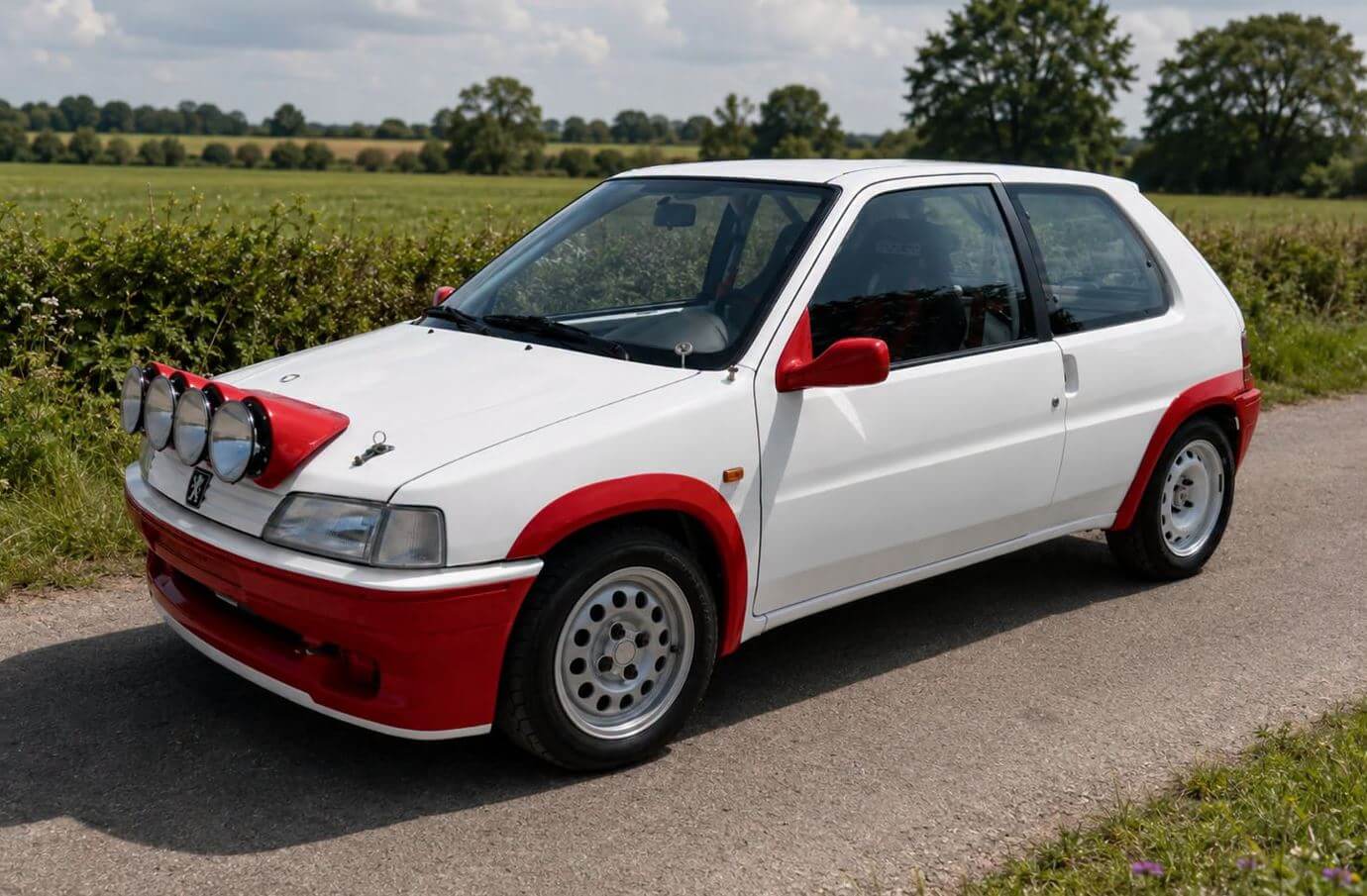
Inflation: Everything Costs More Than It Did a Few Years Ago
Between 2020 and 2025, cumulative inflation in France reached around 15%. Over the same period, the cost of raw materials, transport, energy, paint, bodywork and, above all, labour also increased significantly 💸
Modern rally cars haven't escaped this trend either.
The Renault Clio Rally5 is a good example. When it was launched in 2020, it cost around €42,000 excluding VAT, or roughly €50,000 including VAT.
Today, a race-ready car costs closer to €50,000 excluding VAT, which translates to almost €60,000 including VAT.
That's an increase of around €10,000 including VAT in six years, or nearly 19%.
🔎 Also worth reading: our complete article on the Clio Trophy France and the Renault Clio Rally5
That doesn't justify a basic N1 being priced at €15,000, but it does help put certain comparisons into perspective.
You still regularly hear people say: "I bought my N1 for €7,000 twenty years ago."
That was true. There was even a time when some small N1 rally cars could be found for around €3,000 to €4,000 😌
The problem is that €7,000 in 2005 no longer has the same value today. Taking overall inflation into account, it would be equivalent to roughly €10,000 in today's money.
That still leaves a noticeable gap with some of today's asking prices, but it's no longer quite as dramatic.
Peugeot 106s, AXs, Saxos and 205s Are Simply Becoming Scarce
Fifteen or twenty years ago, finding a three-door Peugeot 106, Citroën AX, Saxo or Peugeot 205 shell wasn't particularly difficult. If one shell was too badly damaged, you simply found another.
Today, many have been crashed, rusted away, modified, turned into race cars or simply scrapped. Clean examples have also become sought-after youngtimers. Just look at the prices of a Peugeot 106 XSI, a 106 Rallye or certain standard Peugeot 205 models 💶
A car that once served as a donor vehicle for just a few hundred—or a few thousand—euros can now be worth considerably more.
More importantly, these cars are getting older without really being replaced. That's probably the heart of the issue.
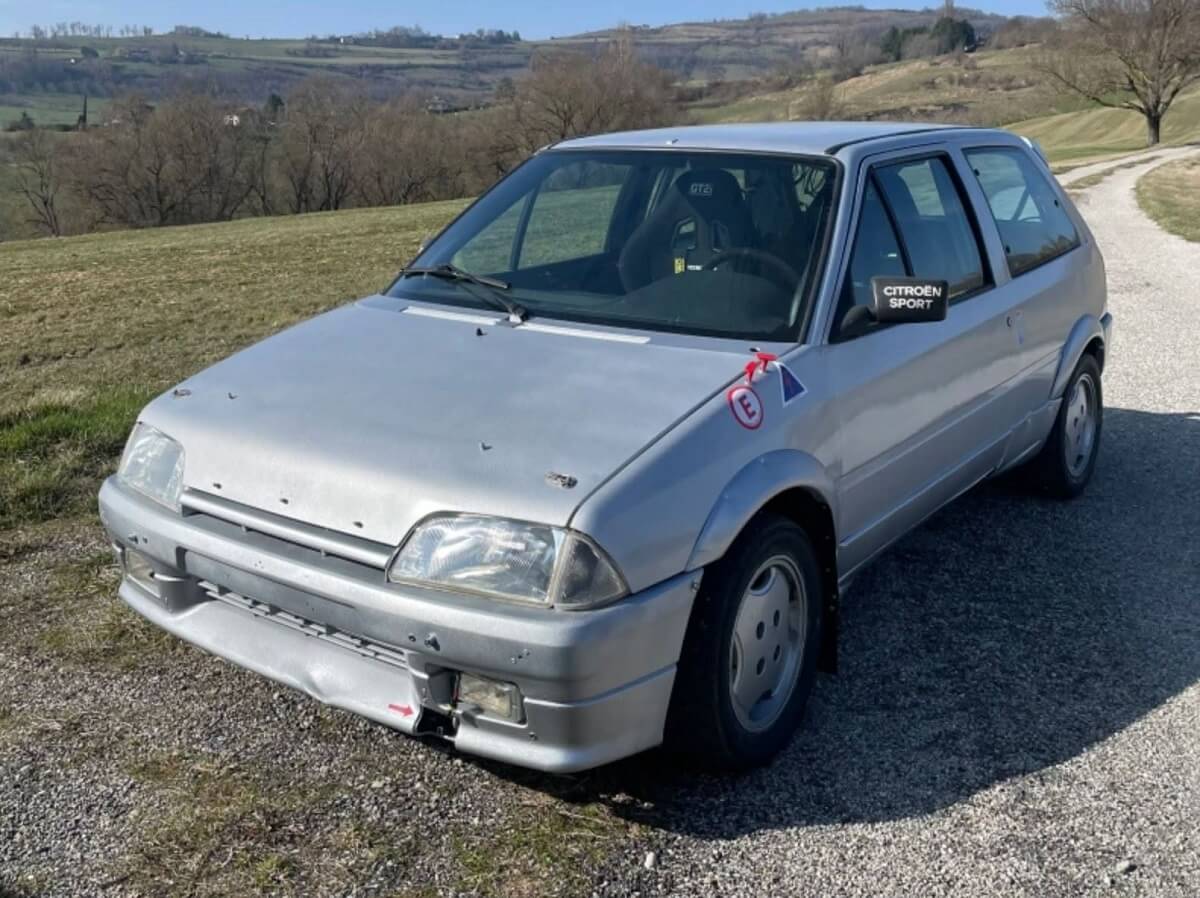
For years, the lower rally classes allowed relatively recent mass-produced city cars to be converted into rally cars. Today, when you look at the N1 category, you still mainly find the same Peugeot 106s, Citroën AXs and Peugeot 205s.
There are a few more modern alternatives, such as certain Fiat Pandas, but they remain relatively uncommon.
Rally6 Doesn't Really Compete in the Same Price Range
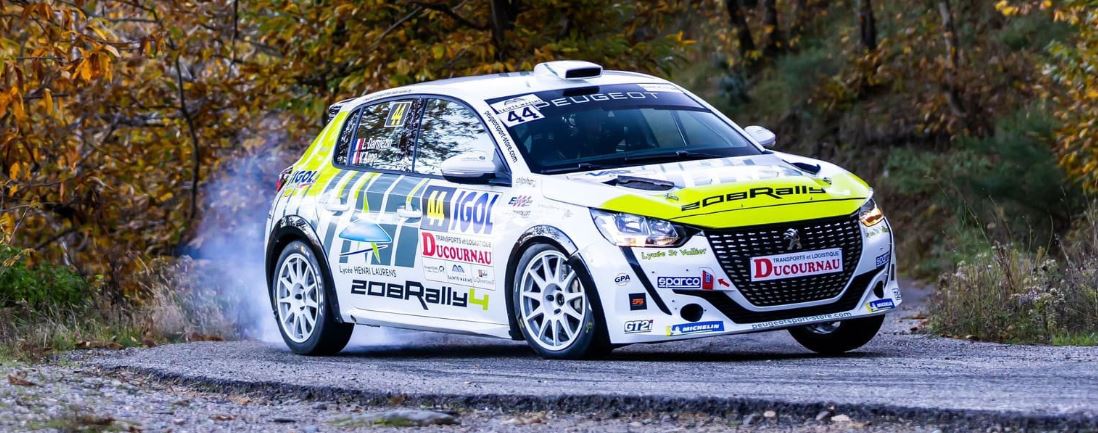
The Rally6 category finally provides a modern way to get started in rallying with a small rally car. That's undoubtedly a positive development, but a brand-new Peugeot 208 Racing Rally6 already costs more than €46,000 including VAT.
🔎 Also worth reading: our complete article on Rally6-homologated cars
That's significantly less than a Rally5, which costs around €60,000 including VAT, but it's still nowhere near the budget required for a small N1 rally car.
For a driver who simply wants a car to compete in their first rallies on a modest budget, €40,000 to €50,000 remains a huge amount of money.
Other countries, however, use national regulations or one-make series that allow much more recent city cars to compete.
For example, we recently came across a 2018 Kia Picanto from a Polish one-make championship, offered for around €7,000 used. It already featured a roll cage, competition suspension and all the required safety equipment. Of course, buying that car wouldn't allow you to enter an FFSA rally directly, as the regulations are different.
The example simply shows that a modern and relatively affordable entry-level race car is still possible.
In France, older small rally cars have gradually disappeared without being replaced by anything at a similar price point.
As a result, drivers who still want to compete in these entry-level categories continue to rely on the same aging cars, while their numbers keep shrinking 📉
Spare Parts Are Becoming Harder to Find Too
The issue isn't limited to donor shells. Some specific parts are also becoming increasingly difficult to source, especially when a car needs to remain compliant with its original regulations.
It may be easy to buy a modern aftermarket replacement, but much harder to find the original period-correct component required to keep the car eligible.
When supply decreases while owners still need those parts, prices naturally rise.
Safety equipment adds another challenge. Racing seats, harnesses, fire extinguishers... A car that initially looks like a bargain can require several thousand euros of additional investment simply to meet current safety standards before returning to competition.
Helmet, HANS device, race suit, racing seat, harness... Find all the essential rally equipment.
That's why you should always look well beyond the asking price.
Building an N1 for €10,000 or €15,000 Is Far from Impossible
Recent testimonials from people who have built or rebuilt this type of rally car also help explain today's market prices.
For example, one owner explained that he bought a standard road car for €3,400, before ending up spending around €15,000 in total on his N2 Series car. And yet, he carried out almost all of the preparation himself. Only the engine and gearbox were entrusted to professionals.
Another enthusiast, who is currently rebuilding his N1, estimates that the final cost will be around €10,000, once again without taking his own labour into account and despite receiving some outside help.
👉 Once you add up the donor car, roll cage, gearbox, possibly a limited-slip differential, suspension, engine, brakes, paintwork, wheels and safety equipment, it quickly becomes clear how a small rally car can end up costing €10,000, €15,000 or even more.
And that calculation still doesn't include the countless hours spent stripping the car, removing paint, welding, painting, reassembling it, sourcing the right parts and fine-tuning the setup 🥵
If all of that work had been carried out and billed by professionals, the final budget would be significantly higher.
That's also why buying an already-built rally car is often cheaper than building exactly the same car from scratch.
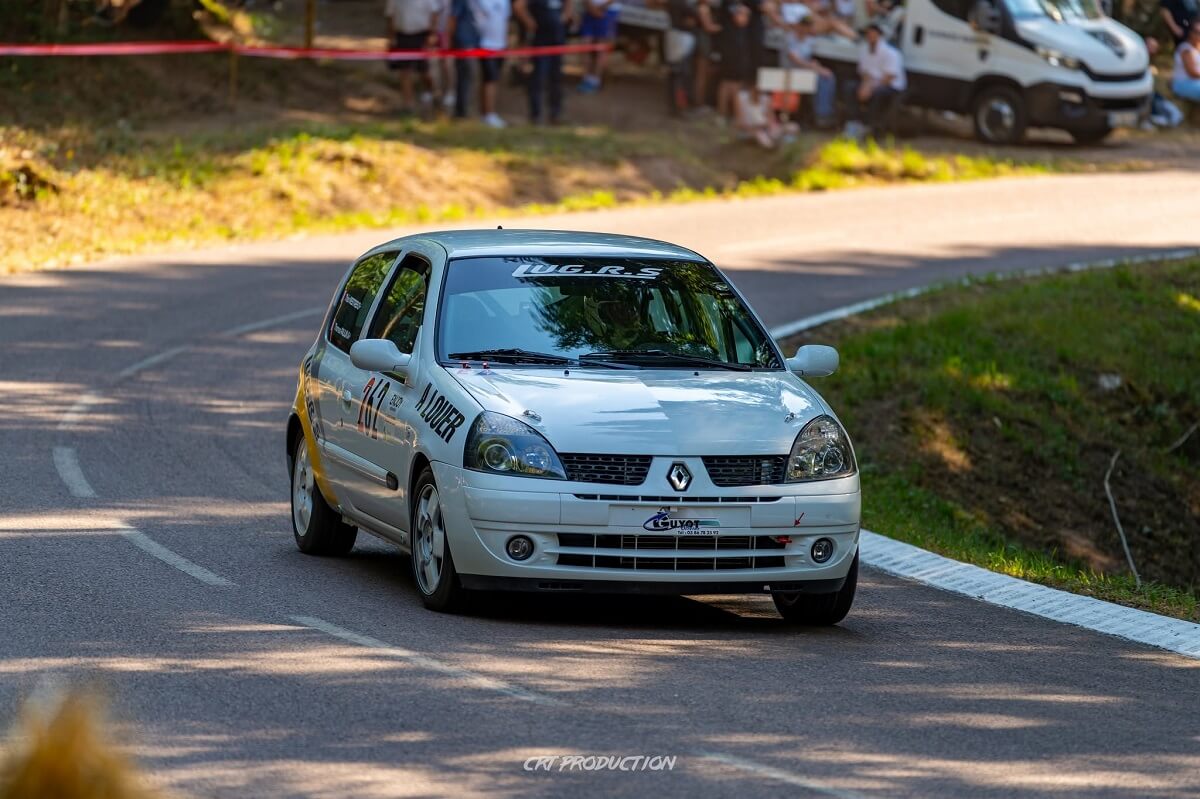
In motorsport, sellers rarely recover every euro they've invested in their car. But there's a big difference between losing part of your investment and selling a car for several thousand euros less than the value of the parts it contains.
Also worth reading: "Getting started in rallying : Buying your first race car"
Historic Rallying Could Push Prices Even Higher
Since January 1, 2026, the FFSA has allowed Period K cars, covering model years 1993 to 2000, to compete in Historic Rallying (VHC).
As a result, some of the cars discussed here may now enjoy a second competitive life in historic rallying, provided they are eligible and have the required documentation.
It's still too early to know what real impact this will have on the market.
However, a car that previously appealed only to drivers competing in modern rallying may now also attract Historic Rally competitors.
That potentially creates additional demand for cars that are already becoming increasingly difficult to find.
We Shouldn't Forget Nostalgia Either
A Peugeot 106, Citroën AX, Saxo or Peugeot 205 rally car isn't bought solely because of its performance.
They're the cars many enthusiasts grew up watching. For some, they were the cars that inspired them during their very first rally, whether as a driver, co-driver or spectator.
A modern Rally6 car may be newer, safer and faster. But it won't necessarily have the same emotional appeal for someone who has dreamed of owning a rally-prepared 106 or 205 for the past twenty years.
The exact same phenomenon can be seen in the road-going youngtimer market.
So nostalgia is undoubtedly another factor contributing to rising prices.
So, Speculation or a Justified Price Increase?
There is clearly some speculation in certain listings 🤷♂️
A basic N1 advertised at €15,000 doesn't automatically become a good deal simply because the market has gone up.
On the other hand, claiming that every well-prepared N1 priced above €10,000 is vastly overpriced no longer reflects the true cost of building a rally car today.
Donor shells are becoming scarce, parts are more expensive, safety equipment costs have increased, building a car from scratch is costly, and some of these cars are now attracting interest from both Historic Rally competitors and youngtimer enthusiasts.
👉 The real issue lies elsewhere: these cars used to be the entry point into rallying for drivers on a limited budget.
If a good N1 or N2 Series car now costs €15,000—or even more—getting started in rallying inevitably becomes much more difficult.
There's also one question that classified ads alone can't answer: are these cars actually selling at their advertised prices?
If you've recently bought, sold or rebuilt an N1 or N2 Series rally car, feel free to share the price you paid and your car's specification. Real-world examples are probably the best way to understand where the market truly stands.
And if you're looking for a rally car—or want to sell your own—you can browse the listings on GoToTheGrid.com 😉
[VIDEO] €15,000 for a Peugeot 106 N1… REALLY?!


I'm Robin, 36, amateur driver and internet entrepreneur. I founded GoToTheGrid (GTTG) to create an intuitive platform dedicated to motorsport enthusia... See more