

 Login
Login
 Post an ad


Single-Seater Motorsport in France: Where and How to Race
By RobinB on 30 June 2026 Circuit / Trackday Circuit / Race Hillclimbing & Slalom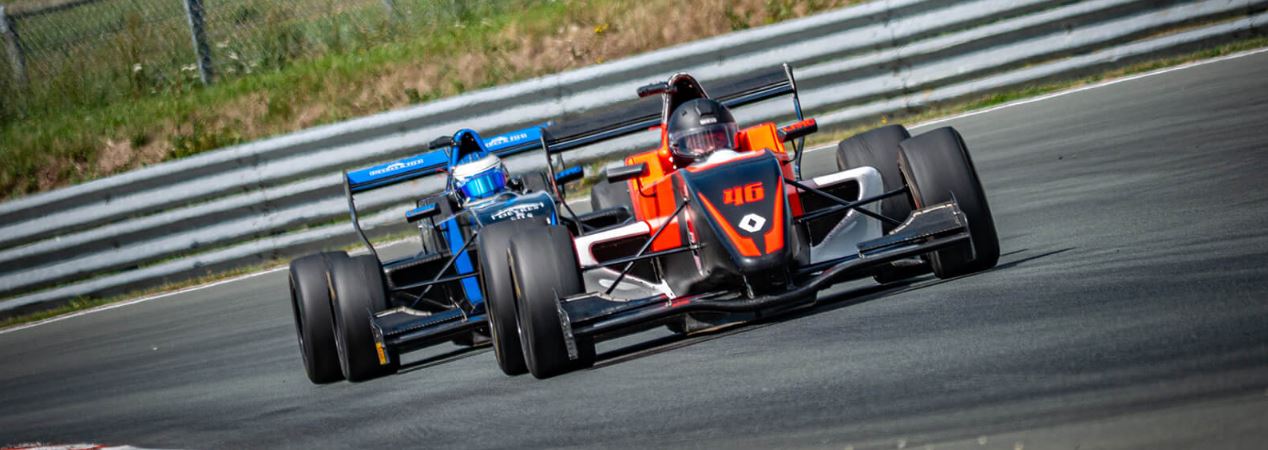
When people think of single-seaters, many immediately imagine Formula 1, Formula 2 or young drivers launched very early into ultra-professional development paths.
Single-seaters are often seen as the ultimate form of driving in motorsport: light, responsive cars designed solely to go fast 😎
However, driving a single-seater in France can quickly seem out of reach for an amateur.
ℹ️ Do you prefer watching a video? This article is also available in video format on YouTube, click here! 🎥
It must be said that modern categories such as F4, FRECA or FIA F3 now require huge budgets. Between the car, testing, tyres, travel and technical support, costs rise very quickly.
ℹ️ Even a season in French F4, despite being considered one of the most “accessible” entry points into modern single-seaters, can quickly reach around €200,000 incl. VAT with a few test days. And these prices can more than double abroad. 💸
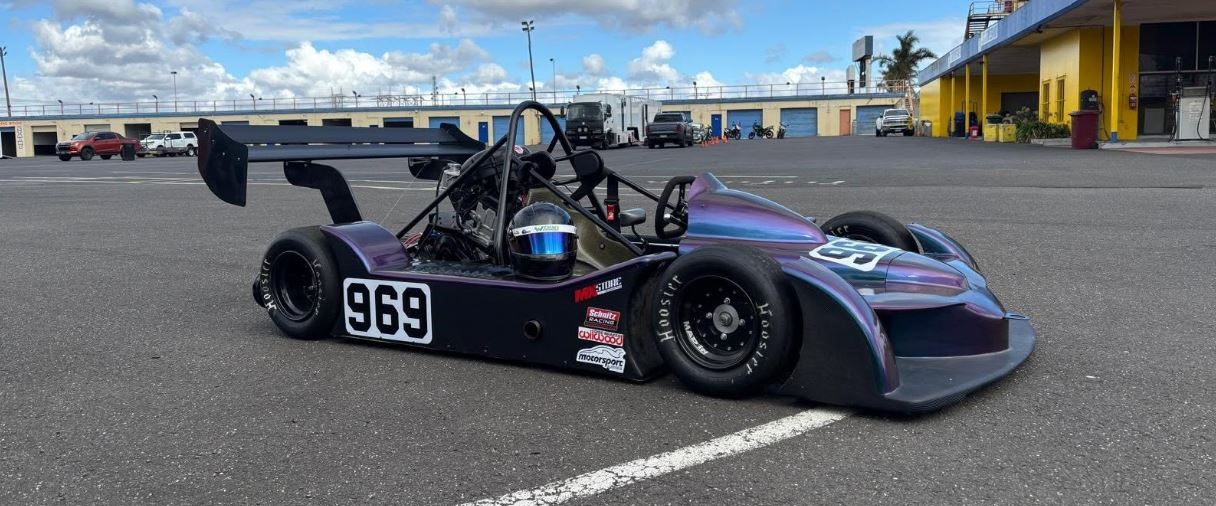
But single-seater racing in France is not limited to development series aimed at the highest level. Today, single-seaters can still be found in several French disciplines, whether on circuit, in modern or historic racing, in hill climb or even in slalom 👍
See also: "Slalom: Compete in Your Everyday Car"
What is most interesting is that these categories attract very different profiles. Some drivers come from karting, while others discover single-seaters completely at the age of 40 or 50. Many simply drive for the pleasure of being behind the wheel of a real lightweight racing car, with no electronic aids and a very raw behaviour.
⚠️ Warning: a single-seater remains a true racing car. Even in historic or amateur categories, costs can quickly rise between maintenance, tyres, parts, entry fees and possible damage.
But contrary to popular belief, there are still relatively realistic ways to race a single-seater in France without having the budget of a professional driver 😉
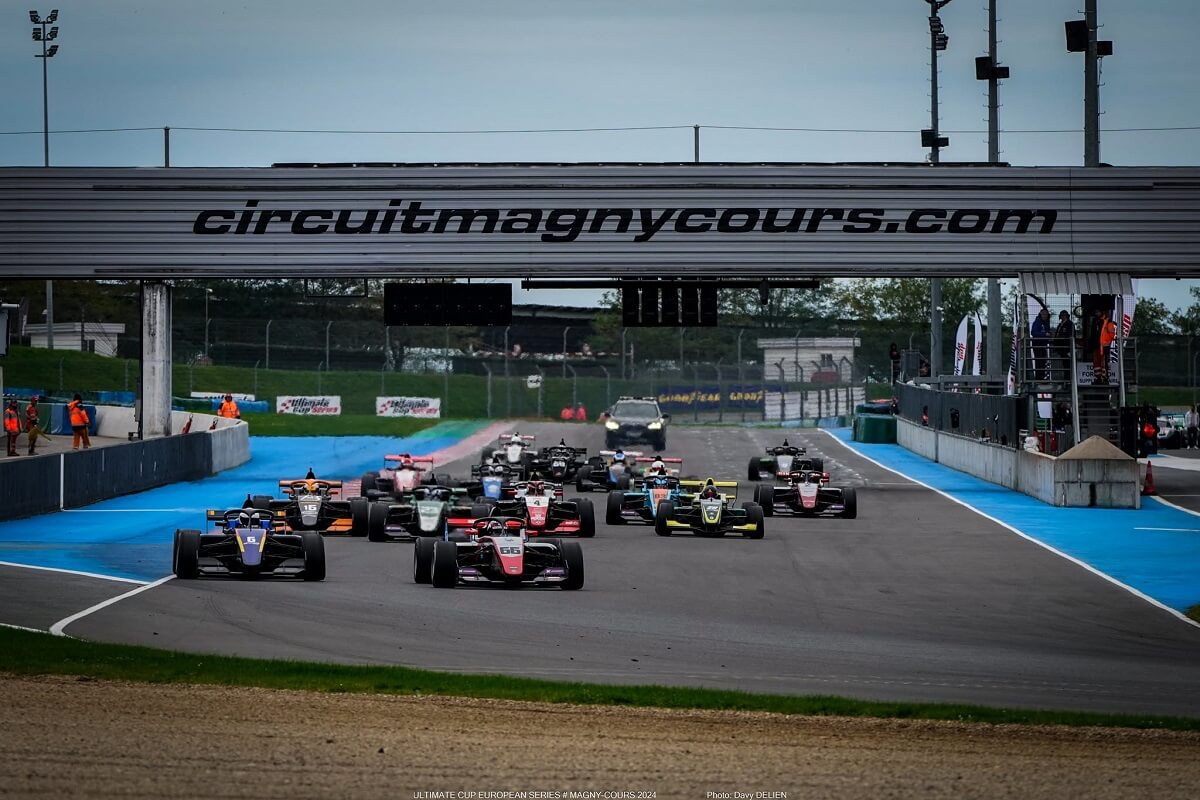
Hoosier Formula Cup: modern single-seater racing with the Ultimate Cup Series
If you want to drive a modern single-seater in France, one of the first options to look at today is the Hoosier Formula Cup, organised as part of the Ultimate Cup Series.
This is not a leisure or historic category. We are talking about a real modern championship, with recent, fast and demanding single-seaters.
ℹ️ The car used is the Tatuus F3 T-318, a Formula Regional single-seater. It is already a very serious car, with aerodynamics, important setup work and a level of driving that still requires experience.
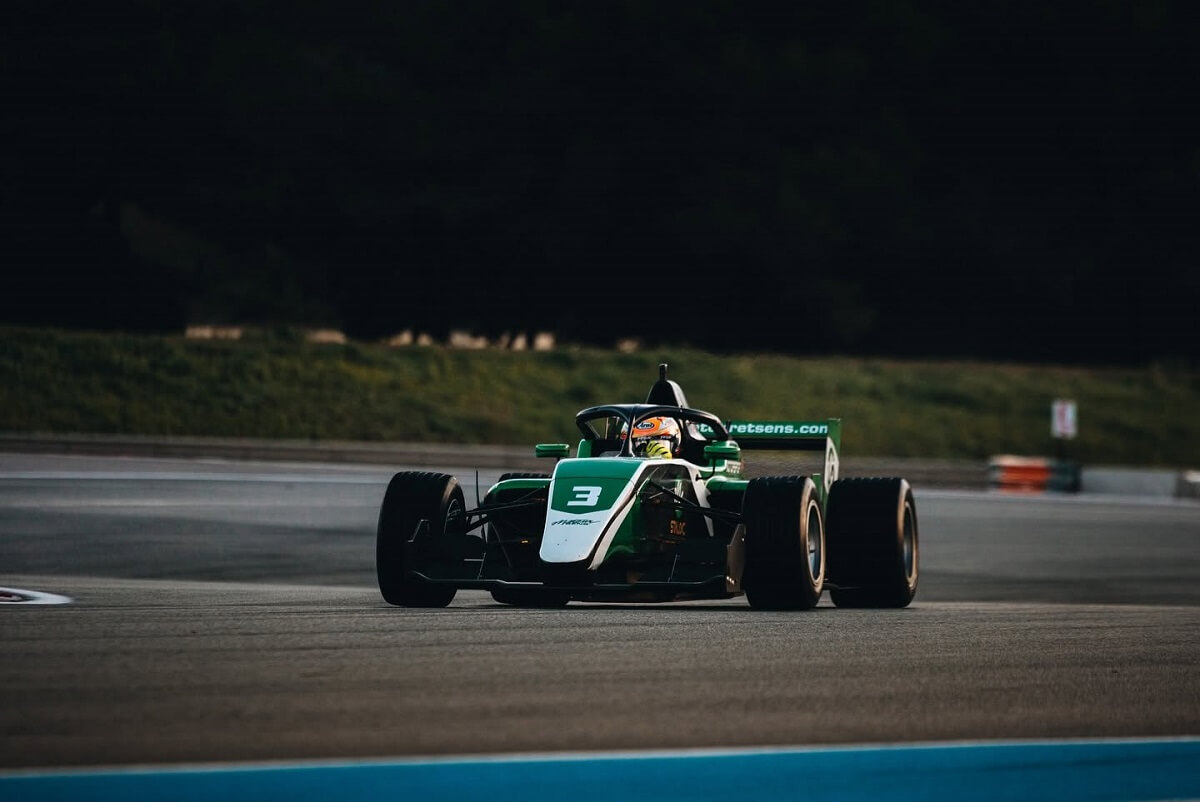
The Hoosier Formula Cup is mainly aimed at young drivers who want to progress towards higher categories. But it may also appeal to some highly motivated gentleman drivers or amateur drivers who want to drive a real modern single-seater in a structured environment.
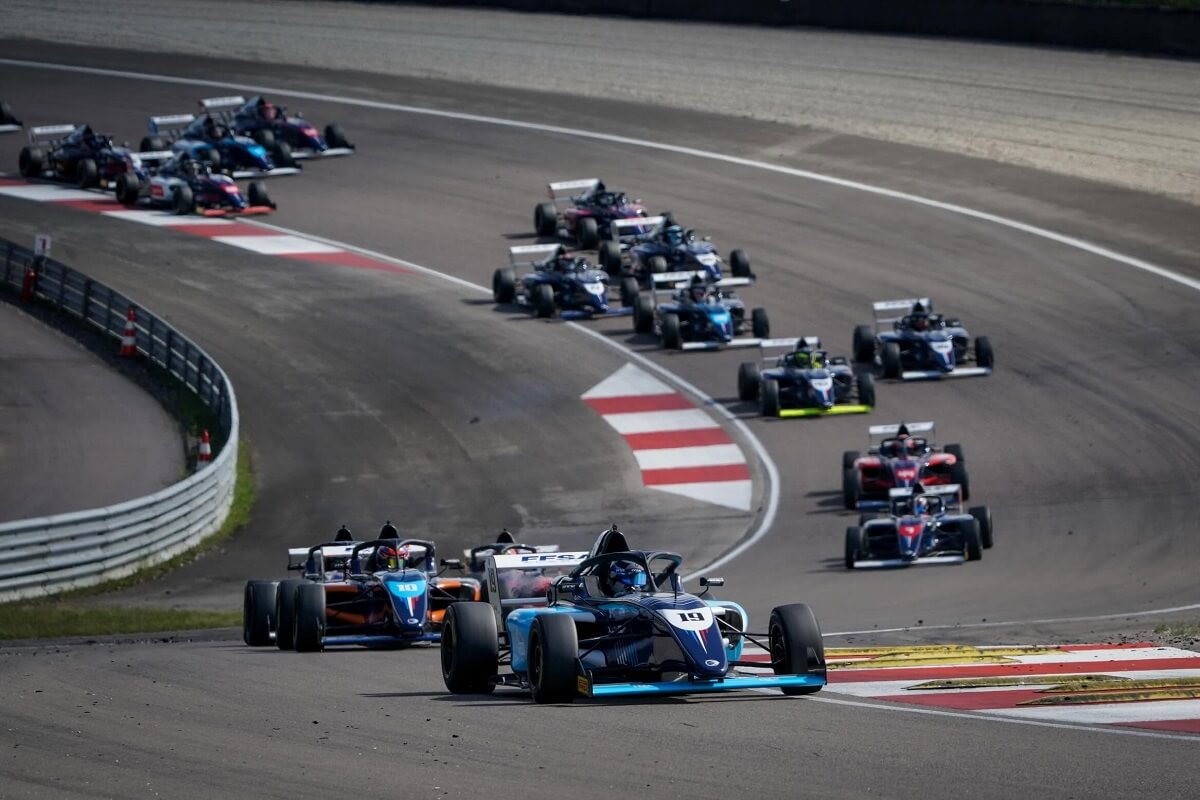
The format is sprint-oriented, with free practice, two qualifying sessions and three races per weekend. This provides plenty of track time and a real competitive rhythm, while remaining in a more accessible framework than major international development series such as FRECA or FIA F3 🥵
That said, you still need to be realistic: even if the budgets are more controlled than in the most high-profile championships, this is still modern single-seater racing. Tyres, running costs, technical support and travel inevitably represent a significant budget.
The Hoosier Formula Cup is mainly aimed at drivers looking for an experience close to modern professional development series, with a recent, fast and highly capable single-seater.
For a driver looking for a real modern experience, with a fast car and a professional environment, the Hoosier Formula Cup is one of the most coherent options in France. However, it is clearly not the most economical entry point for discovering single-seater racing.
Coupe de France des Circuits: an amateur entry point into single-seater racing
The Coupe de France des Circuits is often associated with touring cars, GT cars or prototypes. And yet, it also offers a real framework for running single-seaters 😋
The appeal of this series lies in its much more amateur and accessible nature compared with major modern championships.
Contrary to what one might think, it is not simply a case of a few single-seaters lost among other cars. The regulations do provide a dedicated single-seater grid, with separate classes depending on performance and the types of cars involved.
You can find Formula Ford Kent or Zetec, Formula Renault Campus, Formula Renault 2.0, Tatuus FR 2000, F4, Formula Master, Tatuus F3R or even some Dallara F3 cars 🤩
➡️ Looking for a single-seater for sale or rent? See all single-seater listings on GoToTheGrid 😋
The cars are classified by performance level, which allows very different single-seaters to race together without mixing everything in the overall classification.
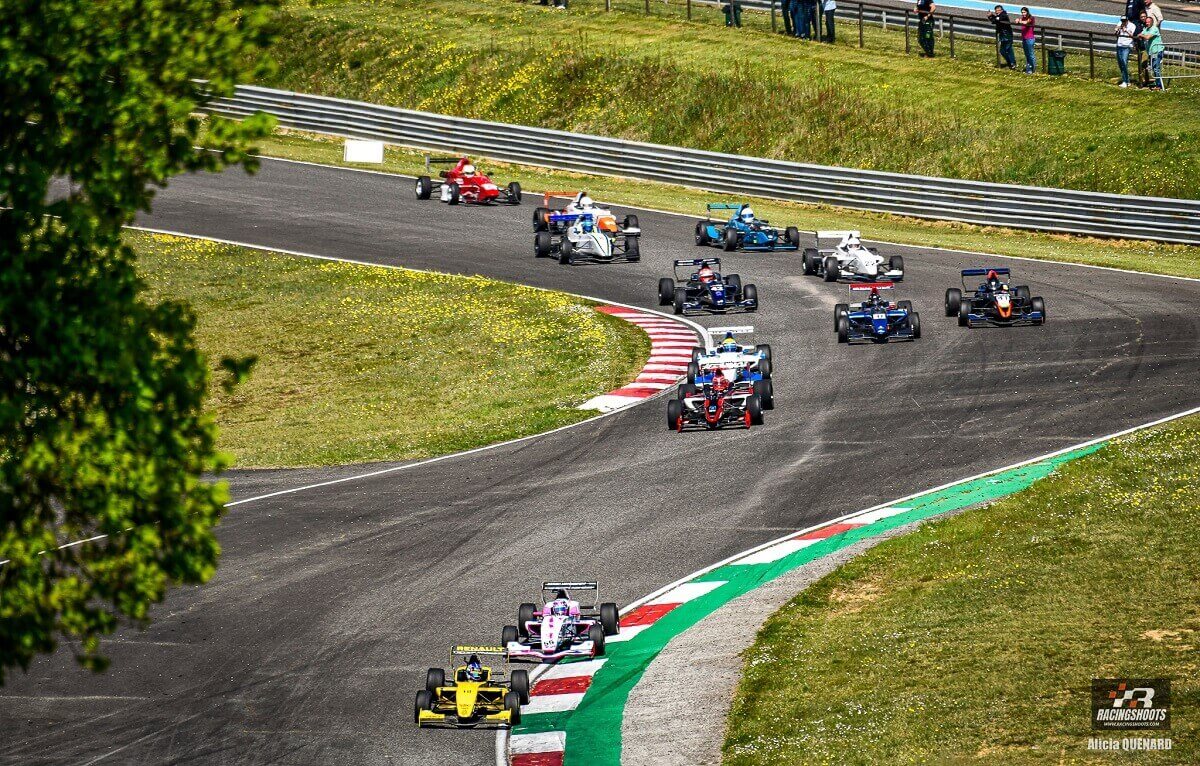
The format remains simple and effective: qualifying followed by two sprint races over the weekend.
This is exactly the kind of formula that can suit an amateur looking to take part in real races, without entering the much more expensive world of international championships.
The Coupe de France des Circuits is therefore an interesting option for those who already own a single-seater or want to move towards a relatively usable second-hand car. It is not necessarily the most high-profile category, but that is precisely what makes it interesting: the spirit is more about enthusiasts than a professional development pathway 👌
Historic single-seaters and amateur series: racing on circuit outside professional development paths
Historic Tour: the major meeting point for historic single-seaters
In France, a large part of “accessible” single-seater racing now lives through historic championships. In this field, the Historic Tour, the French Historic Circuit Championship, remains one of the most important events 🇫🇷
These meetings make it possible to see very different generations of single-seaters racing, sometimes several decades old, but still being used competitively within a proper sporting framework.
The paddocks are very varied, with both experienced former drivers and enthusiasts simply there to drive for pleasure.
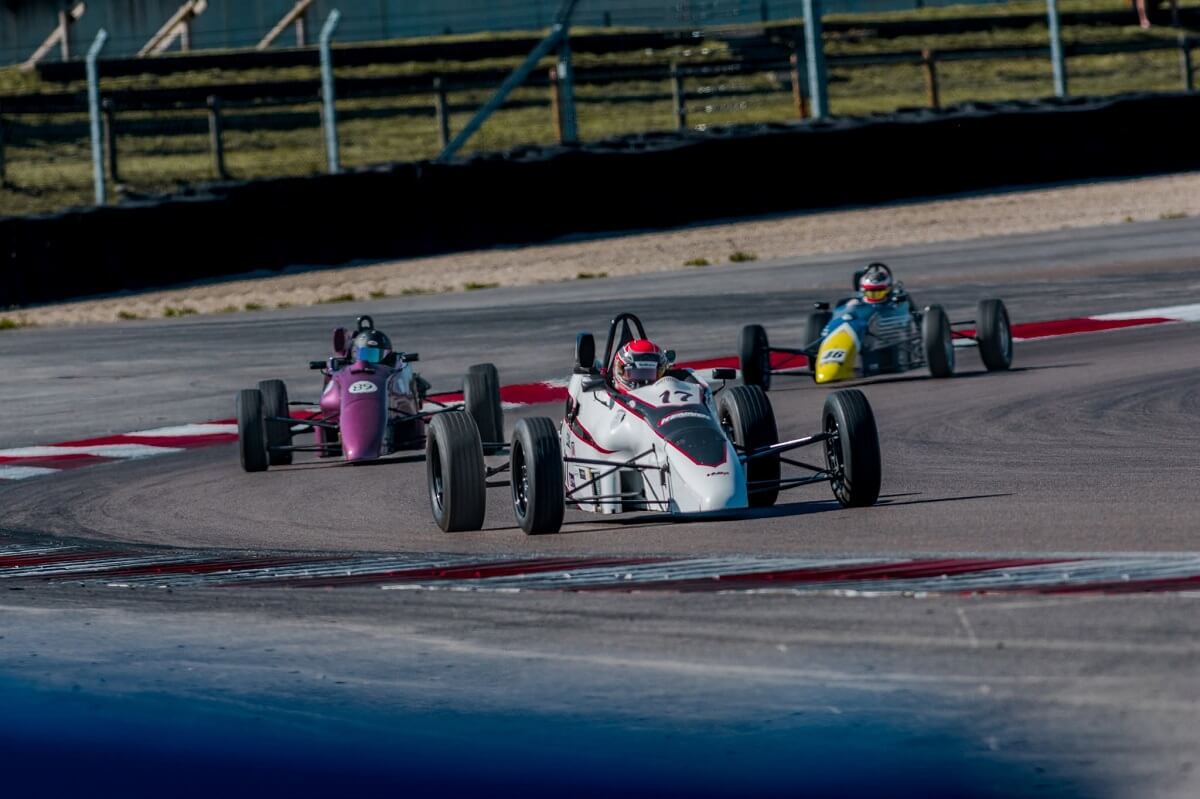
The atmosphere is very different from modern championships. Many drivers maintain their cars themselves, exchange parts, discuss setup or restore old chassis.
Some cars have become genuine collector’s items… but still continue to race regularly.
The Historic Tour notably hosts two important series around historic single-seaters, with Formula Ford and Formula Renault.
See also: "Historic Tour: the French Historic Circuit Championship"
Formula Ford: probably the most accessible historic single-seater
When talking about historic single-seaters, it is hard not to start with Formula Ford.
For decades, this category served as a true driving school. Ayrton Senna, Nigel Mansell and Jenson Button all raced in Formula Ford before reaching the very highest level.
And contrary to what many people might think, these cars are still racing today and they are far from outdated 😎
See also: "Formula Ford : single-seaters accessible to all"
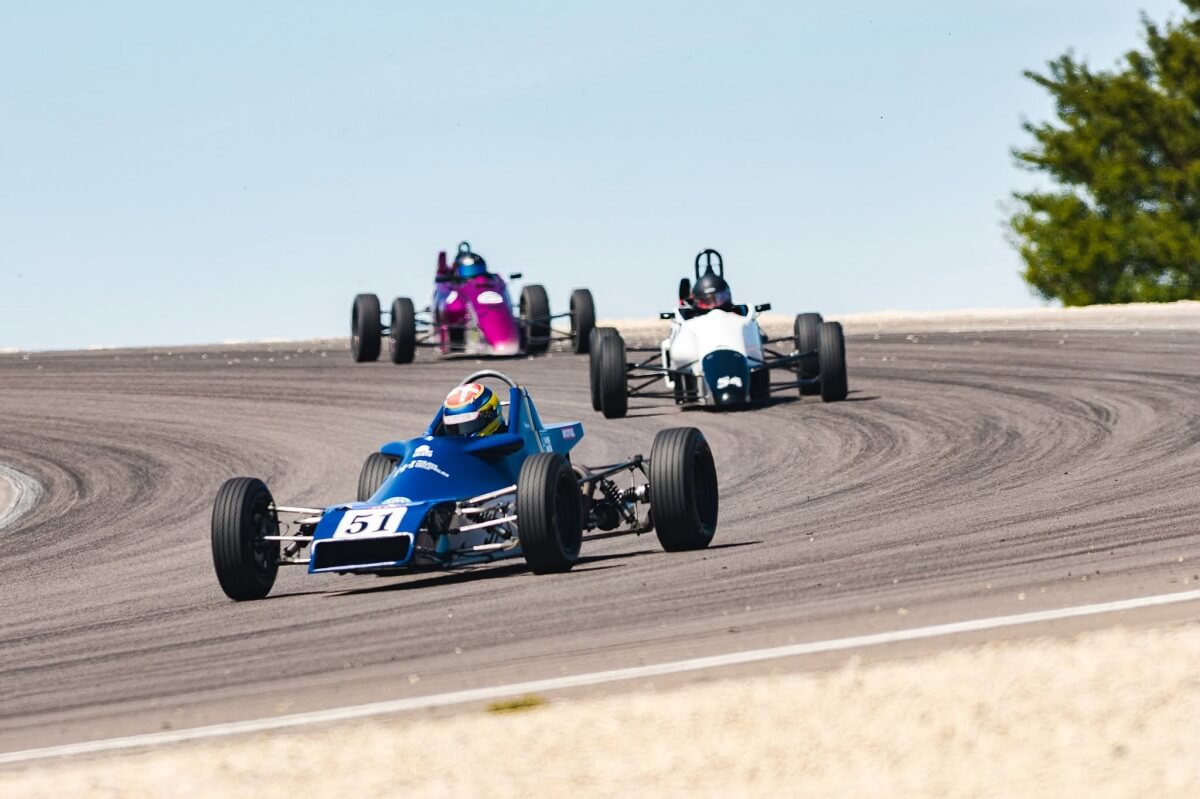
Formula Ford cars remain simple, mechanical and demanding to drive. Here, it is impossible to hide mistakes with aerodynamic downforce or electronics: the driver really has to work on racing lines, momentum and cornering speed.
The used market still makes it possible to find some cars at reasonable prices for single-seaters. You can sometimes find Formula Ford cars for around €15,000 to €25,000, or even less depending on the condition or history of the car.
It combines several advantages: often reasonable purchase costs, simple mechanics, still-active grids and, above all, very educational driving where the driver’s talent really makes the difference.
Running costs also remain relatively contained compared with modern single-seaters.
Entry fees generally range between €300 and €800 per race depending on the event. It is also possible to rent a car with full support for around €3,500 incl. VAT per meeting with some teams.
Of course, this is still motorsport, with everything that involves in terms of maintenance, tyres, travel and repairs. But Formula Ford probably remains one of the most realistic solutions for racing a single-seater on circuit today.
The Formula Ford Kent Trophy and the Formula Ford Historic France Challenge
France still has several active championships around Formula Ford today. The best known is probably the Formula Ford Kent Trophy, which is part of the Historic Tour meetings.
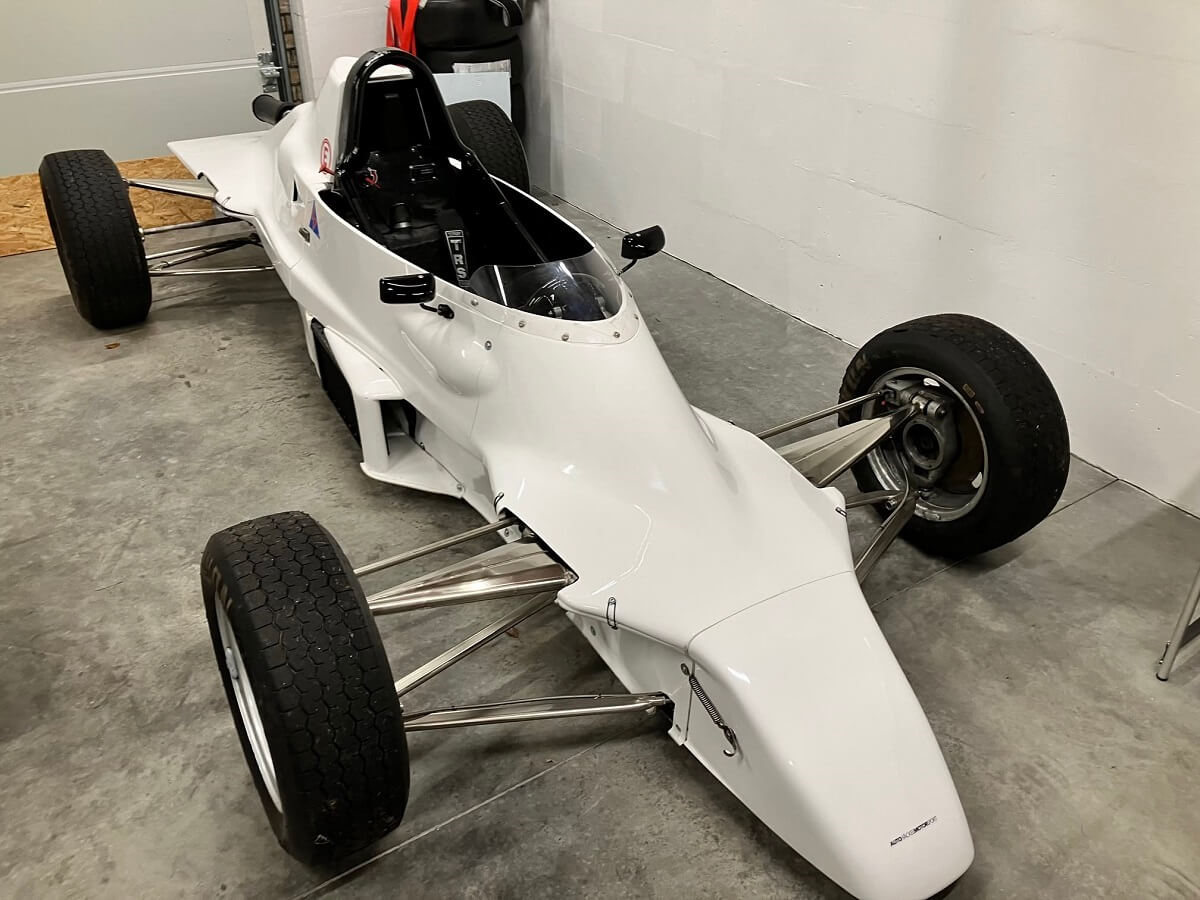
It features Formula Ford cars equipped with the famous Ford 1600 Kent engine, with several generations of cars divided according to their period.
Alongside it, there is also the Formula Ford Historic France Challenge, which focuses more on older Formula Ford cars, mainly built between 1967 and 1981, with several age classes and a few invited single-seaters close to the spirit of the period.
ℹ️ The two series share the same grid during Historic Tour events.
The paddocks then bring together several dozen single-seaters, ranging from the first Formula Ford cars of the late 1960s to models from the early 1990s 😍
The format remains simple, with qualifying followed by two races per weekend. This provides plenty of track time in a generally very friendly atmosphere.
What still attracts drivers is also the very “pure” nature of these cars. Many still consider them one of the best schools for learning circuit driving.
The Formula Renault Historic & Classic Trophy
Formula Renault remains one of the most iconic single-seaters in French motorsport. For years, it represented an essential step for many young drivers before moving on to international categories 🚀
Even today, these cars continue to race thanks to the Formula Renault Historic & Classic Trophy. The championship brings together several generations of Formula Renault cars.
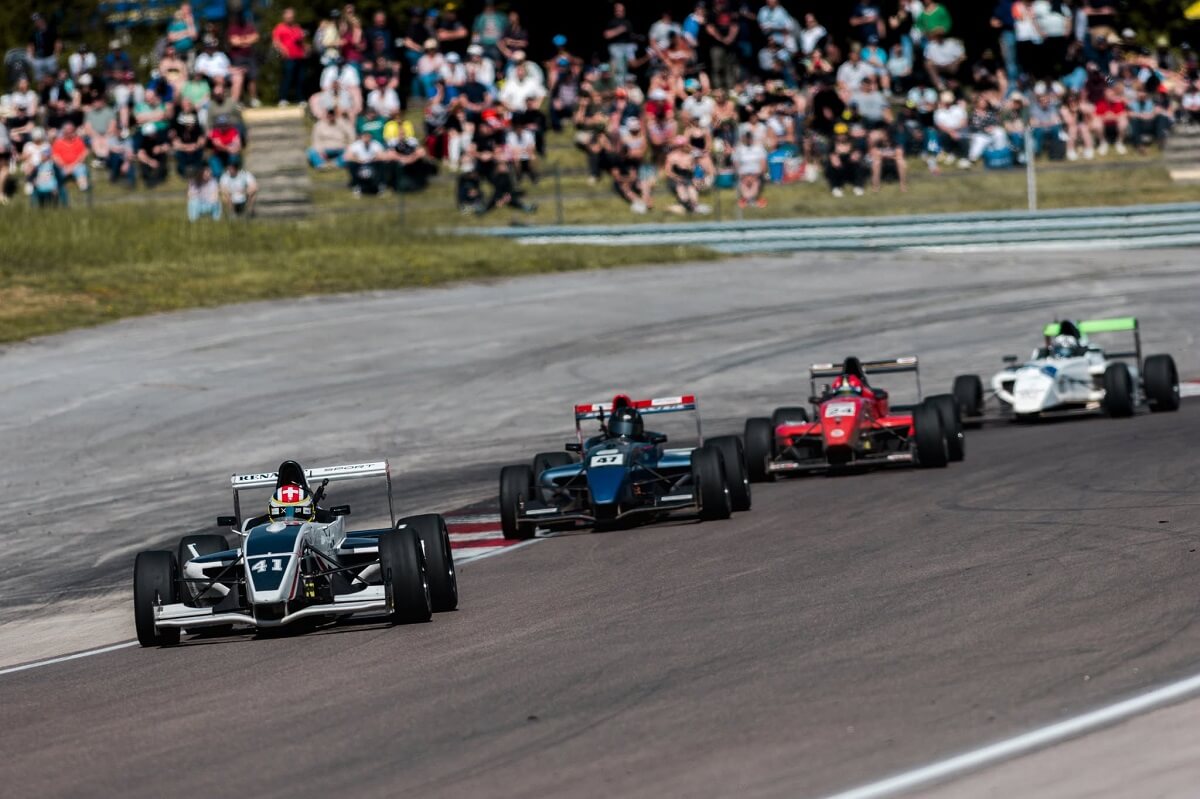
It features everything from the old Turbo versions of the 1980s to the 1,721 cc naturally aspirated Formula Renault cars, as well as more recent models such as the Tatuus FR 2.0 built up until the late 2000s.
ℹ️ Recently, some first-generation F4 cars (see photo below) can also be invited, as well as single-seaters with similar performance levels, such as F3 Classic cars or Formula Ford 2000.
The grids are often very varied. You can see Martini, Tatuus FR 2.0, Mygale F4 and even some old Ralt cars racing together.
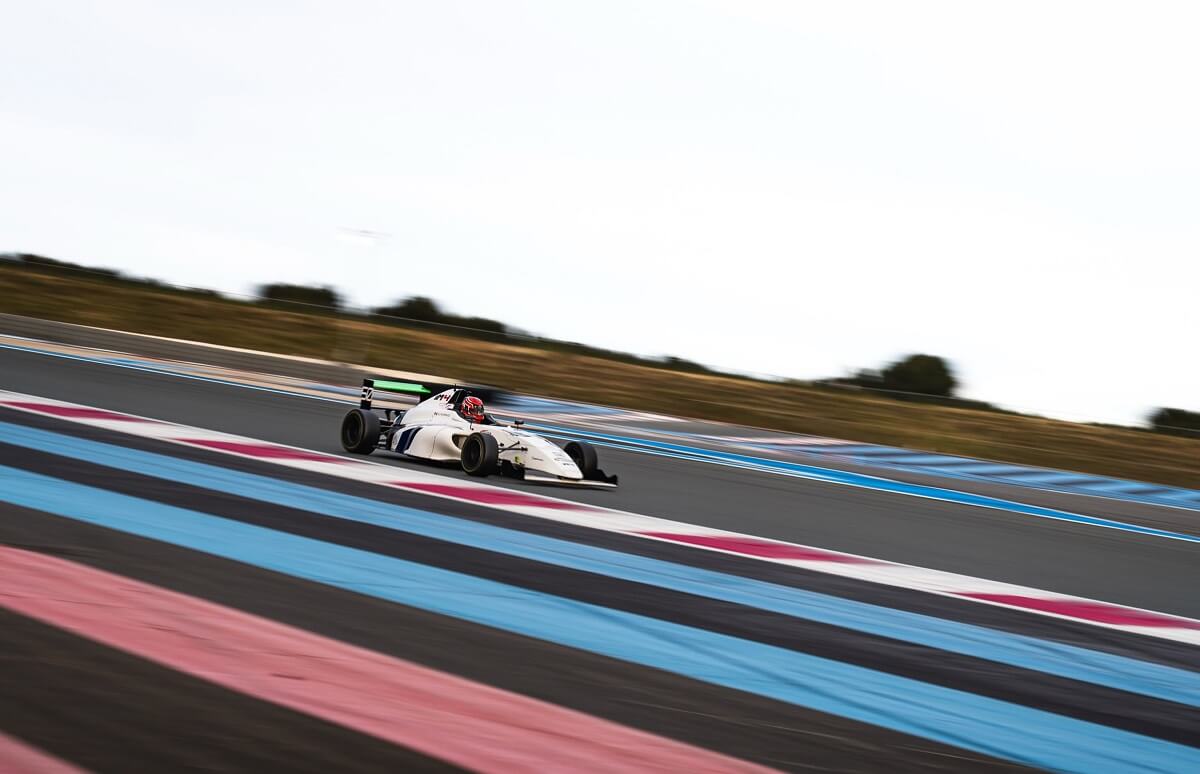
This creates visually impressive grids, with several generations of single-seaters brought together in the same paddock 🤩
The format remains very sprint-oriented, with one or two qualifying sessions followed by two races of around 25 minutes depending on the meeting.
The atmosphere remains simpler than in modern professional categories. Many drivers race above all for the pleasure of keeping these cars alive and rediscovering the sensations of former single-seater training cars.
F2 Classic and F3 Classic: impressive historic single-seaters
The Interseries organised by HVM Racing also host impressive grids with F2 Classic and F3 Classic.
Here, we enter a very special world, with cars that sometimes represented the true stepping stones to Formula 1 in the 1970s and 1980s 🙏
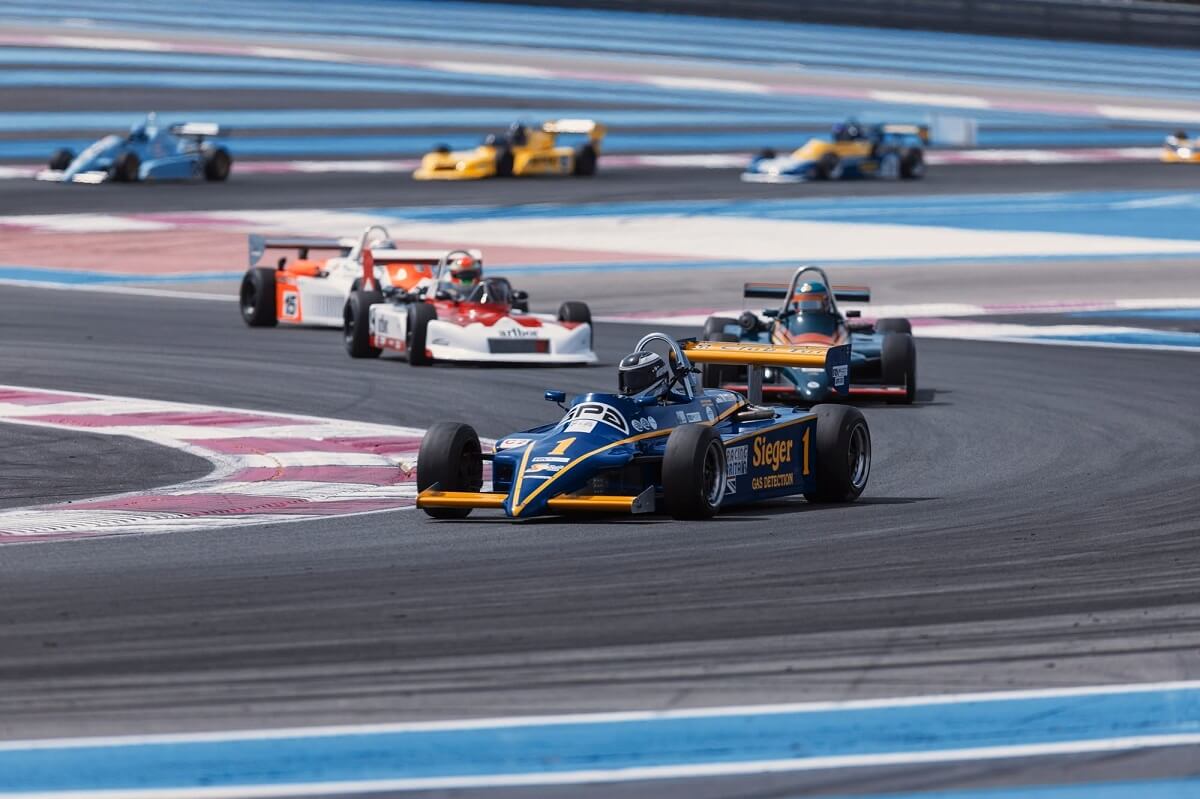
You can notably find March, Ralt, Chevron, Martini, Brabham, Lola and Dallara cars. Some of these cars were driven at the time by future F1 drivers or entered in highly competitive international championships.
F2 Classic mainly brings together single-seaters built before 1979, with 1600 or 2000 cc engines. Ground-effect cars are banned in order to preserve the spirit of the period.
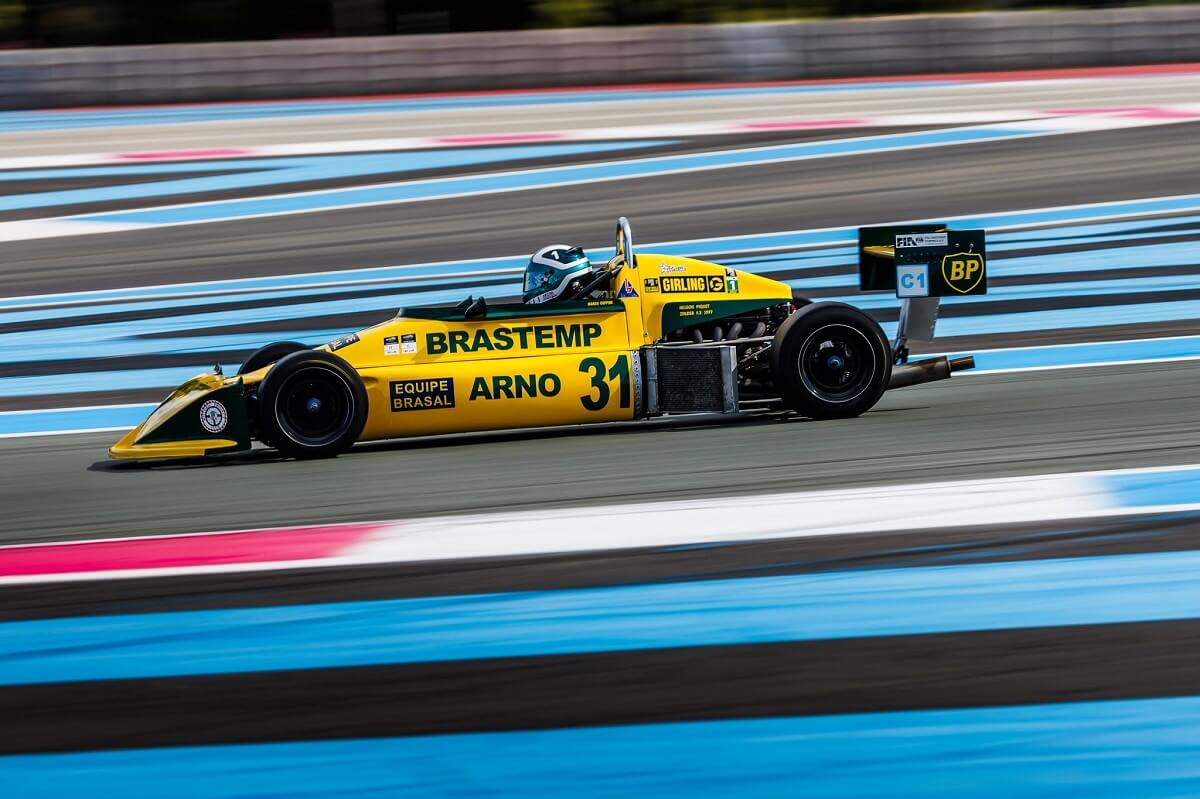
F3 Classic, meanwhile, brings together Formula 3 single-seaters from the 1970s and early 1980s, including many Ralt RT3, March 783 and Martini MK cars.
These categories mainly attract people who are passionate about motorsport history. Many owners see their cars as genuine pieces of heritage, while still continuing to race them on some of the finest circuits in Europe.
The grids notably run during the KENNOL Grand Prix de France Historique at Paul Ricard, as well as at Brands Hatch, Zandvoort, Dijon and Mugello.
The format remains relatively simple, with a qualifying session followed by two sprint races of around 25 minutes.
Even if these categories seem further away from “accessible” single-seater racing, they show just how alive historic single-seater culture remains in France and across Europe.
Open Formula Series: single-seater racing with controlled budgets
In a similar spirit, but with a more open approach, the Open Formula Series has also established itself as an interesting solution for racing single-seaters in France with more contained costs.
The championship brings together several generations of single-seaters such as Formula Ford Kent and Zetec, Formula Ford 2000 and Formula Renault 1600 and 1721 cc.
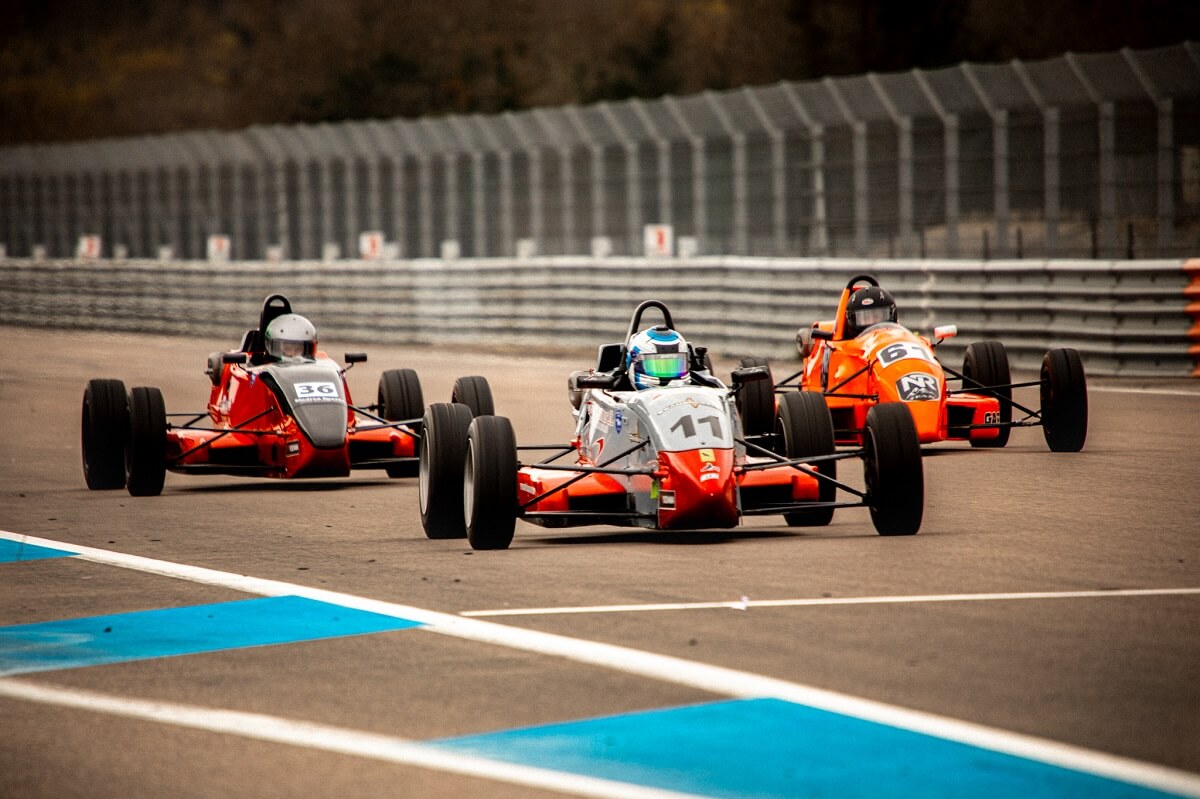
The stated goal is clearly to offer a more accessible championship, with controlled costs and a friendly paddock atmosphere.
This is still motorsport, but the approach seems more realistic for amateurs who want to race regularly and enjoy themselves.
The format is simple: two free practice sessions, one qualifying session and two 20-minute sprint races.
The meetings take place on several major French circuits such as Nogaro, Charade, Albi and Val de Vienne.
The appeal of the Open Formula Series also lies in the diversity of the cars present on track. Several generations of single-seaters with very different philosophies can race together, while remaining within relatively coherent performance levels.
In the latest 2026 events, more than 60 cars were entered 😲
The championship combines several ingredients that amateur drivers look for: plenty of track time, single-seaters that are affordable to buy, well-filled grids and a paddock atmosphere that is often more relaxed than in major modern series.
For many enthusiasts, this type of championship represents one of the best compromises between enjoyment, track time and budget in single-seater racing.
Hill climb racing: probably the biggest playground for single-seaters in France
If there is one discipline where single-seaters remain everywhere in France, it is probably hill climb racing ⛰️
Historically, hill climb events have always welcomed many cars originally designed for circuit racing.
Many former single-seaters continue their careers in hill climb after having raced in circuit championships. This explains the presence of impressive cars, such as old F3 cars, Formula Master cars and even F3000 cars.
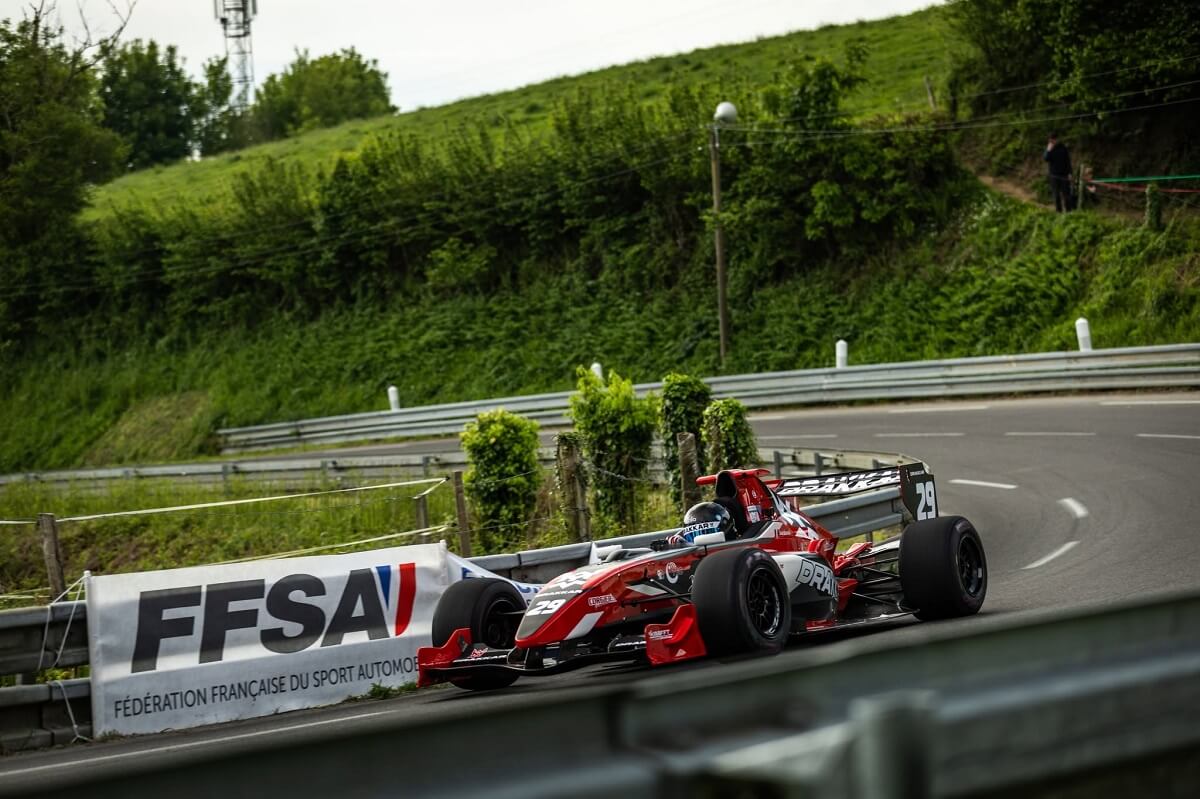
The French Hill Climb Championship remains the benchmark today, with very high-performance cars on narrow, bumpy and often very fast roads 😱
But we should not forget the French Hill Climb Cup or the VHC events either, where historic single-seaters also continue to play an important role.
The discipline remains spectacular because it pushes driving skills to the limit. A run often lasts less than two minutes, but every mistake can be extremely costly. You have to be immediately on the pace, with very little room for error.
Hill climb racing also attracts many experienced drivers who enjoy pure driving, with cars that are often very light, powerful and demanding.
Contrary to some popular beliefs, hill climb racing is not only about very expensive modern prototypes. You can also see Formula Renault cars, old F3 cars or older single-seaters being used with budgets that vary quite a lot depending on the level of performance being sought.
Driving a single-seater in slalom: the most accessible entry point?
For someone dreaming of driving a single-seater on a more contained budget, slalom is probably one of the most realistic solutions today.
The discipline regularly welcomes Formula Ford cars, old Formula Renault cars or small single-seaters used in a much shorter and less expensive format than traditional circuit racing.
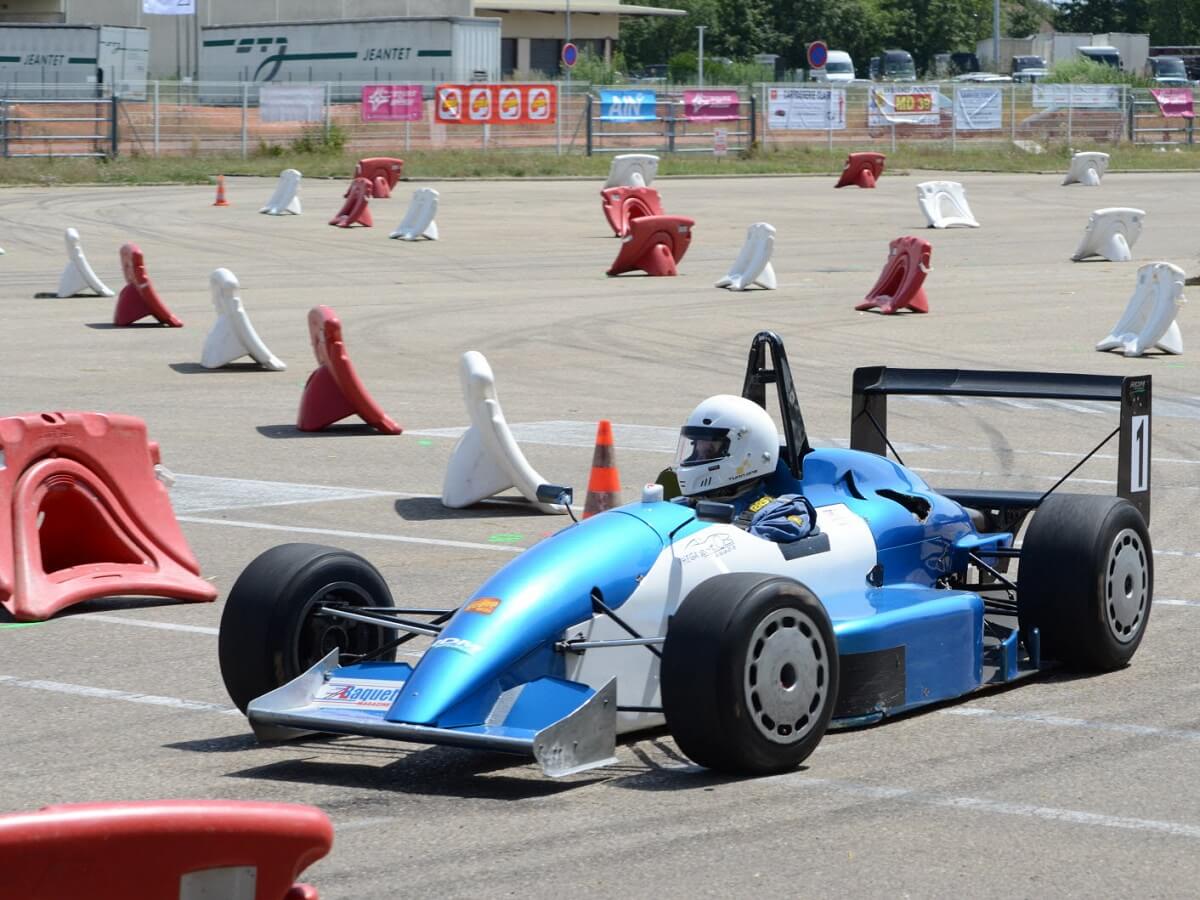
The very principle of slalom naturally helps to limit certain costs. Runs are very short, which greatly reduces tyre, brake and engine wear. Many drivers also manage a large part of the mechanics and logistics themselves.
A slalom single-seater still requires a minimum budget, maintenance and equipment. But compared with a modern circuit racing season, the gap can be huge 💸
Slalom also makes it possible to gradually discover single-seater driving in an environment that is less intimidating than a major national championship paddock. The atmosphere is generally simpler, with many drivers there above all for the pleasure of driving.
It is also an interesting discipline for learning how to exploit a light and responsive car, with real work on precision and racing lines.
Many enthusiasts actually start with slalom before possibly moving on to circuit racing or hill climb racing.
Entry fees often remain reasonable, equipment wear is limited and the atmosphere is generally very friendly. It is one of the most accessible disciplines for discovering single-seater competition.
Can you start directly in single-seaters?
Karting obviously remains the most classic school for learning the basics of driving before moving into single-seaters. Grip management, racing lines, braking, consistency… many useful reflexes come from karting.
But contrary to some popular beliefs, you do not need to have spent ten years racing karts to drive a single-seater.
Today, many drivers discover single-seaters later in life. Some start at 30, 40 or even 50, simply because they want to experience driving a real lightweight racing car 🔥
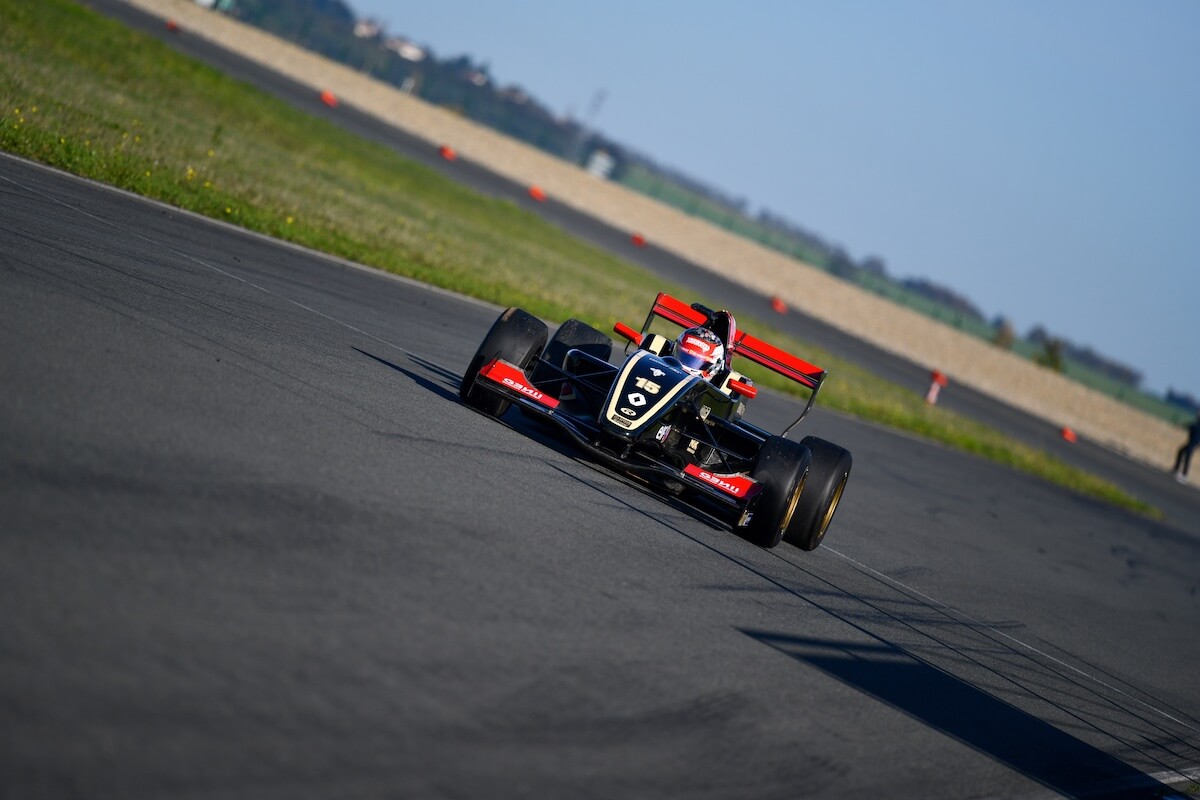
However, these cars should not be underestimated. Even an old Formula Ford remains physical, responsive and quite demanding to drive. The low weight, lack of electronic aids and sometimes very direct reactions require a real adaptation period.
This is also why many drivers recommend starting gradually, with simple cars and amateur-oriented categories rather than jumping straight into a very high-performance modern single-seater.
Formula Ford, some older Formula Renault cars or even slalom often remain among the most coherent solutions for discovering the discipline without immediately being overwhelmed by performance or costs.
How much does a single-seater season cost?
This is obviously the big question. As is often the case in motorsport, the answer depends on the car, the discipline and the level of involvement you are looking for.
At one end of the scale, a modern season in F4 quickly exceeds €200,000 incl. VAT with a few private test days. Once you move up to FRECA or FIA F3, the budgets rise even further 🤑
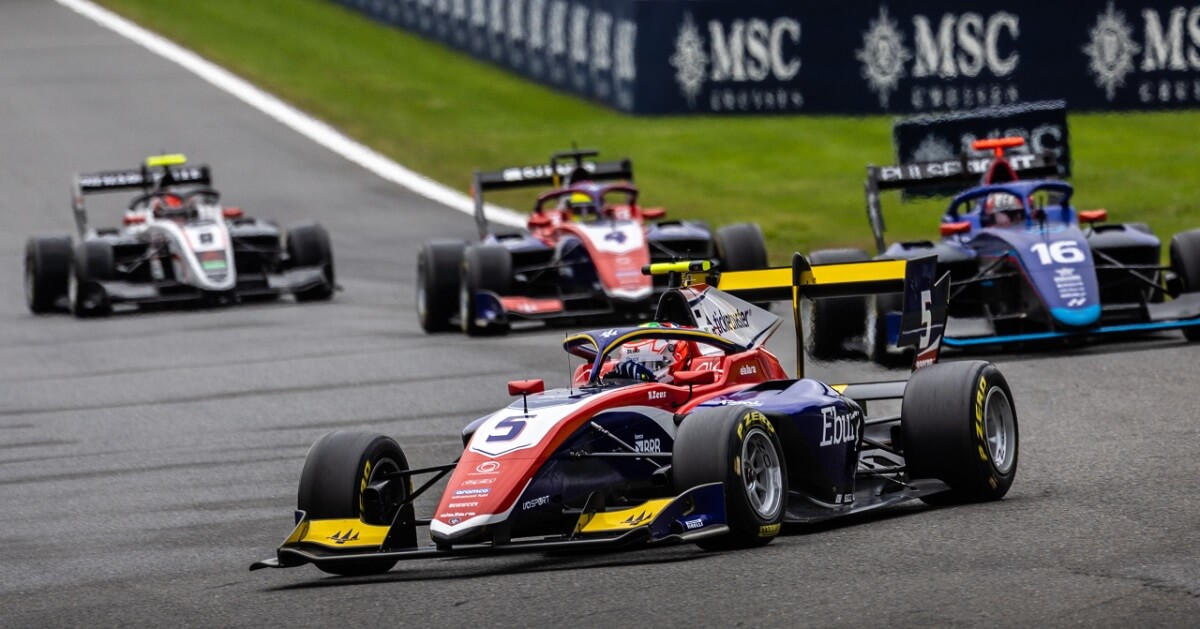
On the other hand, some historic disciplines, slalom or certain amateur series still allow drivers to race with far more realistic budgets.
On the used market, you can still find Formula Ford cars or some older Formula Renault cars at much more affordable prices than today’s modern single-seaters (see the listings).
ℹ️ But buying the car is often only part of the budget. You then need to add entry fees, maintenance, parts, travel and possible damage.
Costs also vary enormously depending on the driver’s profile. Some manage to race on contained budgets thanks to their mechanical skills, experience, network or ability to maintain the car themselves.
Conversely, as soon as you need to go through a preparer, rent a full structure or chase more performance, costs can rise very quickly, even with older cars.
ℹ️ This is actually one of the important points in single-seater racing: two drivers in the same category can sometimes have completely different budgets depending on how they run the car.
Why do old single-seaters still attract so much interest?
One thing that often comes up when talking with Formula Ford, Formula Renault or historic F3 drivers is the very “pure” nature of the driving. Many believe that these cars offer more raw sensations than some modern categories.
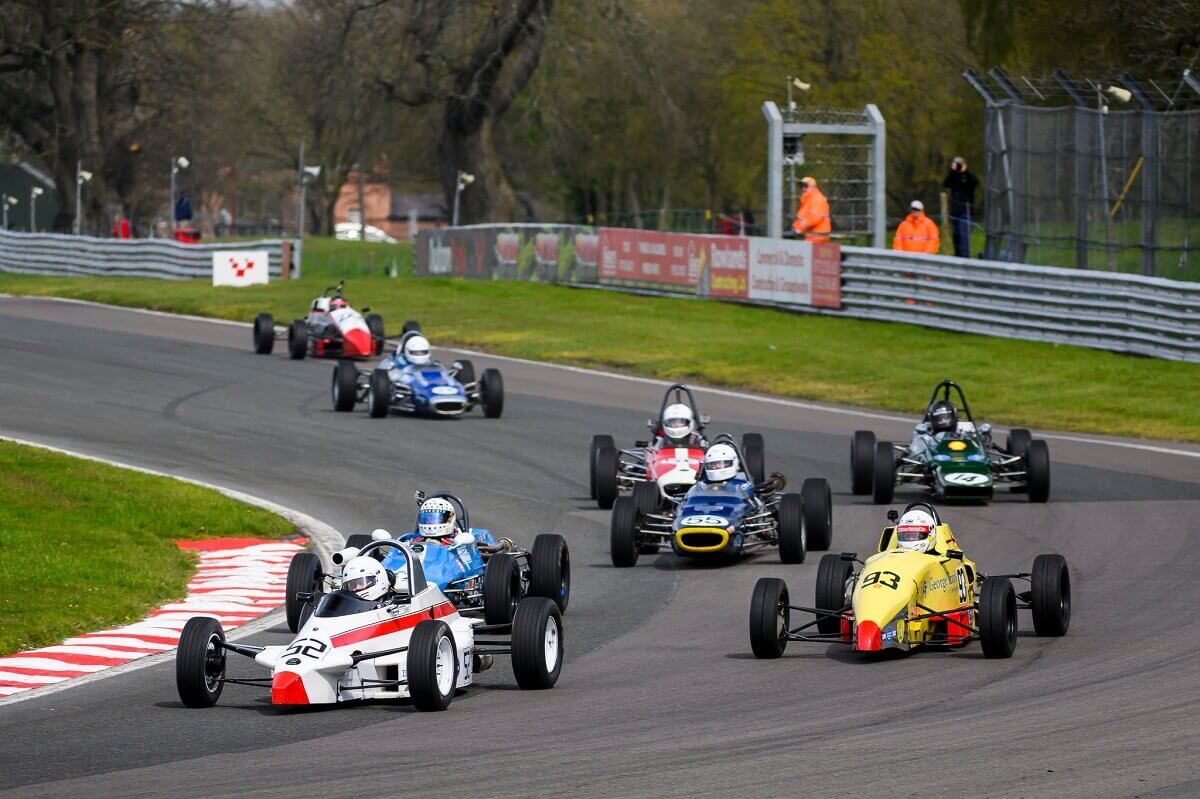
The steering is direct, the cars are light, the reactions are immediate and the driving requires a lot of precision.
The atmosphere also plays a huge role. In historic paddocks, many drivers maintain their cars themselves, exchange parts or restore chassis that are sometimes several decades old.
Some single-seaters have almost become collector’s cars… but still continue to race 🥰
Many drivers dreamed of these cars when they were younger and can finally afford to own one today. But these categories also attract younger drivers, drawn to cars that are more mechanical, simpler and often more authentic than some highly complex modern single-seaters.
My opinion on single-seater racing in France today
Honestly, I think many enthusiasts still underestimate the real place of single-seater racing in France.
Yes, top-level modern single-seater racing has become extremely professionalised and very expensive.
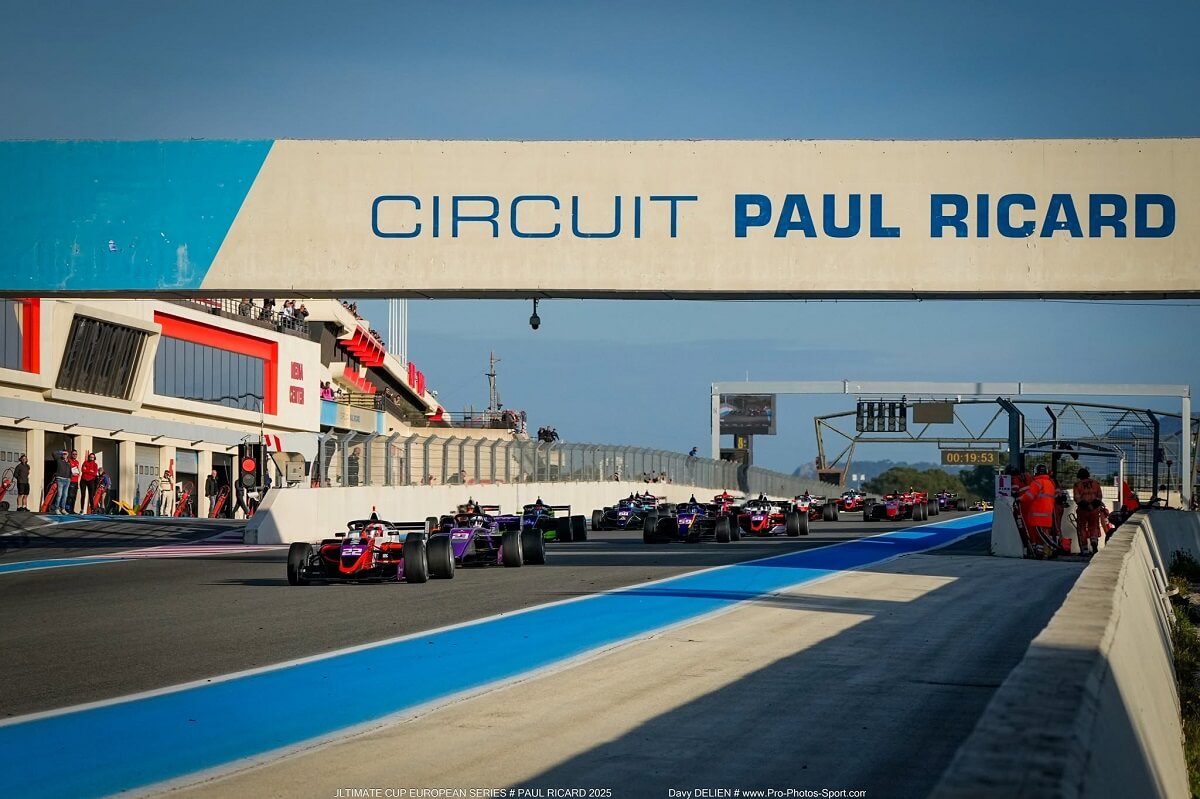
But alongside that, there is still a real world of amateur, historic and semi-professional single-seater racing.
Between Formula Ford, old Formula Renault cars, historic championships, hill climb racing and slalom, there are still several realistic ways to drive a single-seater without having an unlimited budget.
Conclusion
For a long time, single-seaters represented the absolute pinnacle of motorsport. For many, it was also a world that had become inaccessible, reserved for very large budgets and young drivers launched into professional development paths.
The reality is more nuanced.
Yes, modern categories such as F4, FRECA or FIA F3 require very significant budgets. But single-seaters also continue to live on in France through more discreet disciplines.
Historic championships, Formula Ford, Formula Renault, F3 Classic, hill climb racing, slalom or amateur series: there are still several ways to race a single-seater for the pleasure of driving and competition.
You can find both young drivers looking to progress and enthusiasts finally making a dream come true several decades later.
The simplest thing is often to go and watch an event in person. Between historic paddocks, hill climb single-seaters, Formula Ford cars and old F3 cars still racing regularly, you quickly discover a world that is much more alive than it might seem at first glance 🙂
FAQ: the most common questions about single-seater racing in France
Can you start directly in single-seaters?
Yes. Even though karting remains an excellent driving school, you do not need several years of experience before driving a single-seater.
Some organisations offer discovery drives, coaching or turnkey rental packages for beginners.
What is the most affordable single-seater?
Old Formula Ford cars are often among the most accessible solutions for racing a single-seater on circuit.
Slalom also makes it possible to discover the discipline with more contained budgets than circuit championships.
How much does a single-seater season cost in France?
Budgets vary enormously depending on the championships and the car being targeted.
A modern season in French F4 can quickly exceed €200,000 incl. VAT with a few test days, while some historic categories, slaloms or hill climb events still allow drivers to race with far more reasonable budgets.
Can you rent a single-seater?
Yes. It is possible to rent Formula Ford, Formula Renault, F4 or certain historic single-seaters depending on the teams and championships.
Some teams also offer turnkey packages with transport, support and maintenance.
Where can you still see single-seaters in France?
Single-seaters remain very present in hill climb racing, historic championships, certain circuit meetings such as the Coupe de France des Circuits, as well as in slalom.
Outside competition, they can also be found during track days reserved for single-seaters.
Can you buy a used single-seater?
Yes. You can still regularly find Formula Ford, Formula Renault, old F3 or hill climb single-seaters on the used market on websites like GoToTheGrid.
Prices obviously depend on the condition of the car, its history and the availability of parts.
Can you drive a single-seater without competing?
Yes. There are track days reserved for single-seaters.
However, they are generally not allowed on classic track days and are rarely mixed with GT cars or closed-wheel cars for safety reasons.
[VIDEO] Can Amateur Drivers Still Race Single-Seaters? (YES, BUT…)


I'm Robin, 36, amateur driver and internet entrepreneur. I founded GoToTheGrid (GTTG) to create an intuitive platform dedicated to motorsport enthusia... See more