

 Login
Login
 Post an ad


Rally car rental: the pitfalls to know before signing
By RobinB on 23 February 2026 Rally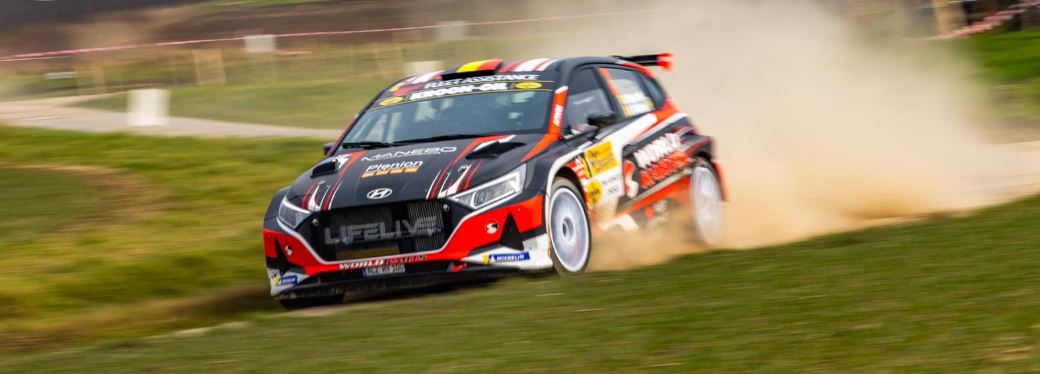
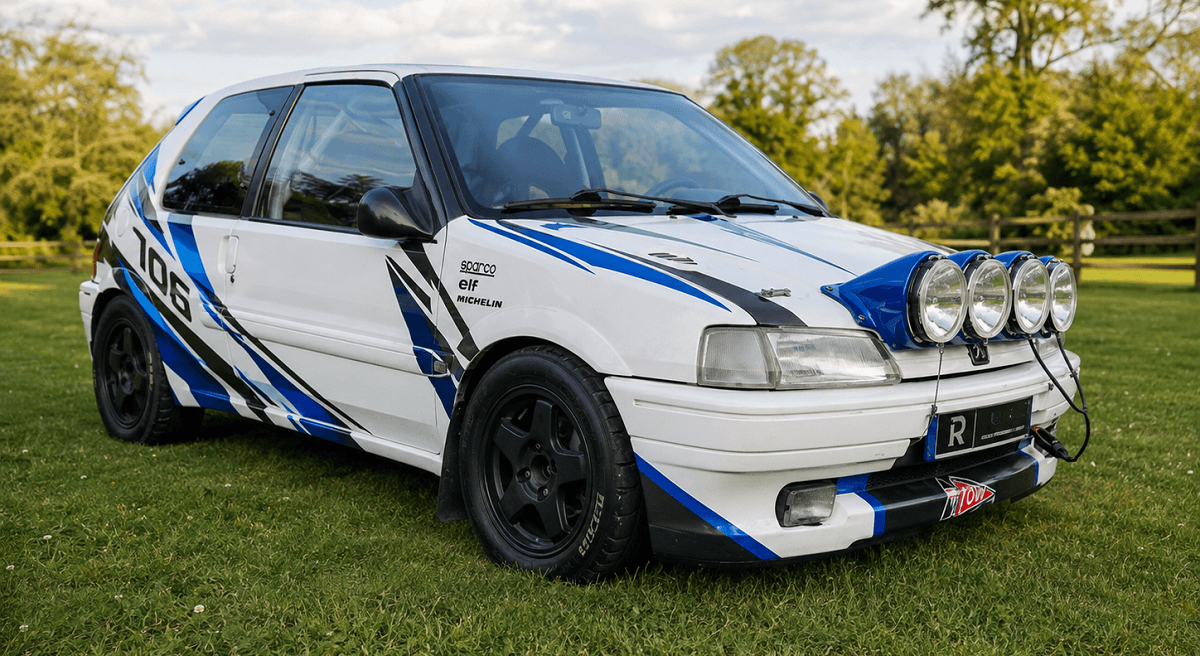
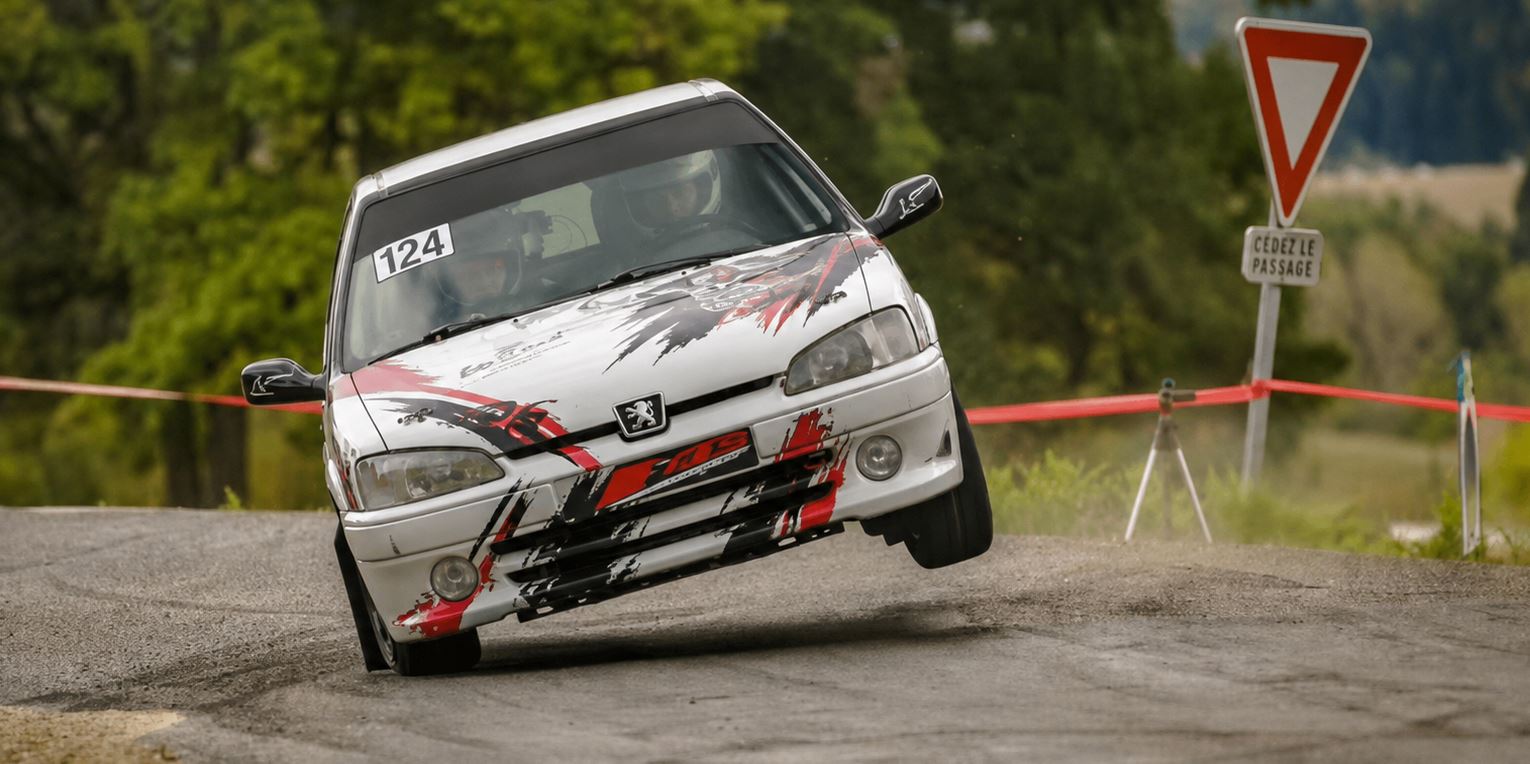
Renting a rally car is a practice that is becoming increasingly popular, both for a first rally and for already experienced drivers. The former often see it as the simplest solution to compete in their very first rally with a small car ready to race, without having to buy or prepare a race car. The latter use rental to occasionally access more competitive models, while avoiding tying up a significant budget and managing all the logistics involved with a competition car 🥵
ℹ️ Do you prefer watching a video? This article is also available in video format on YouTube, click here! 🎥
On paper, the concept is appealing. Everything seems simpler, more comfortable: a car ready to race, technical assistance, an organization already in place. But behind the price displayed by the rental company, you must pay close attention to what is actually included in the service. New or used tires, assistance, test sessions included or charged extra… the differences can be significant from one provider to another.
➡️ Browse all rally cars for rent listings on GoToTheGrid 😉
👉 The most sensitive part is not necessarily the most pleasant to discuss. Yet it is often the one with the greatest financial impact: the security deposit, the insurance, the excess, and more broadly the liability in the event of mechanical failure or going off the road. All elements that must be fully understood before even taking the start.

Rally car rental companies: a highly varied market
The rally rental market is far from homogeneous.
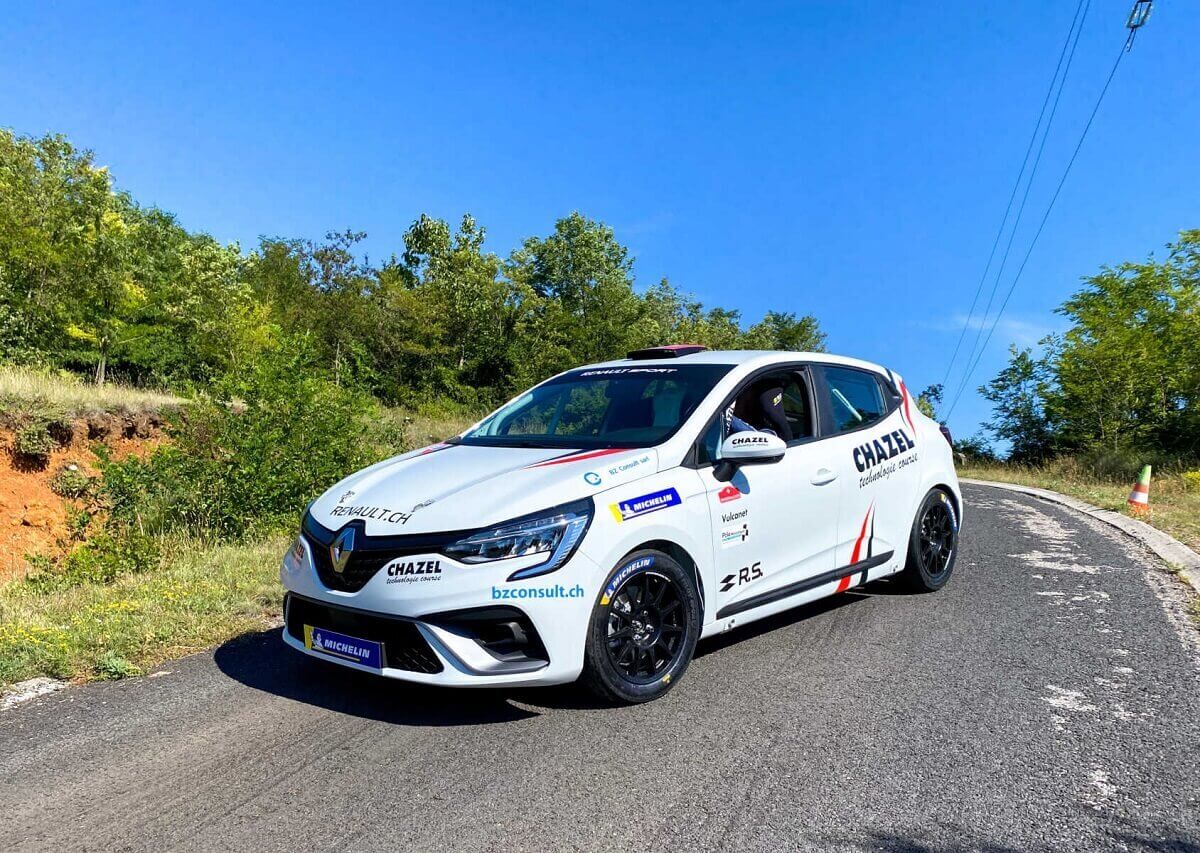
You will find both professional teams (PH Sport, CHAZEL Technologie Course...) as well as non-profit associations built around passion, and sometimes even services offered without a clearly defined legal framework 😒
It is also common to see drivers using rental companies abroad. There are many rental providers in Italy in particular, and prices there are often slightly lower.
ℹ️ This diversity is not necessarily a problem in itself, and many serious operators exist at all levels. However, it regularly fuels debate within the community, as some point out that legal obligations, insurance, charges, and taxation are not the same depending on whether it is a company or a non-profit structure.
For the driver, the key point is therefore to clearly understand who they are entrusting their budget to… and their responsibility for the duration of a rally.
You should also remain cautious of abnormally low offers 🚨
Behind a very attractive price, there may be an incomplete contract, non-existent or poorly defined insurance, or even a complete lack of written agreement. In many cases, agreeing to pay slightly more for a clear and well-structured service simply allows you to experience a much more relaxed sporting and logistical weekend.
In the event of an accident, mechanical failure, or dispute, one simple question inevitably arises: what does the contract actually provide… and does it even exist? 📝
What a Rally Car Rental Actually Includes
Contrary to a fairly common belief, renting a rally car almost never simply means “take the keys and drive.”
In the vast majority of cases, it is rather a complete service package, designed to allow the driver to focus solely on the sporting aspect, while all the technical and logistical parts are handled 👌
In practical terms, a serious rental generally includes a compliant car ready to race, its transport to the event, on-site logistics, as well as mechanical assistance throughout the entire rally — and sometimes even meals. Fuel, consumables, and tires suited to the conditions — usually used but still competitive, with new tires most often offered as an option — are commonly included, along with a competition-specific insurance. Depending on the structure, other services may also be offered as options, such as the presence of a coach or a dedicated engineer.
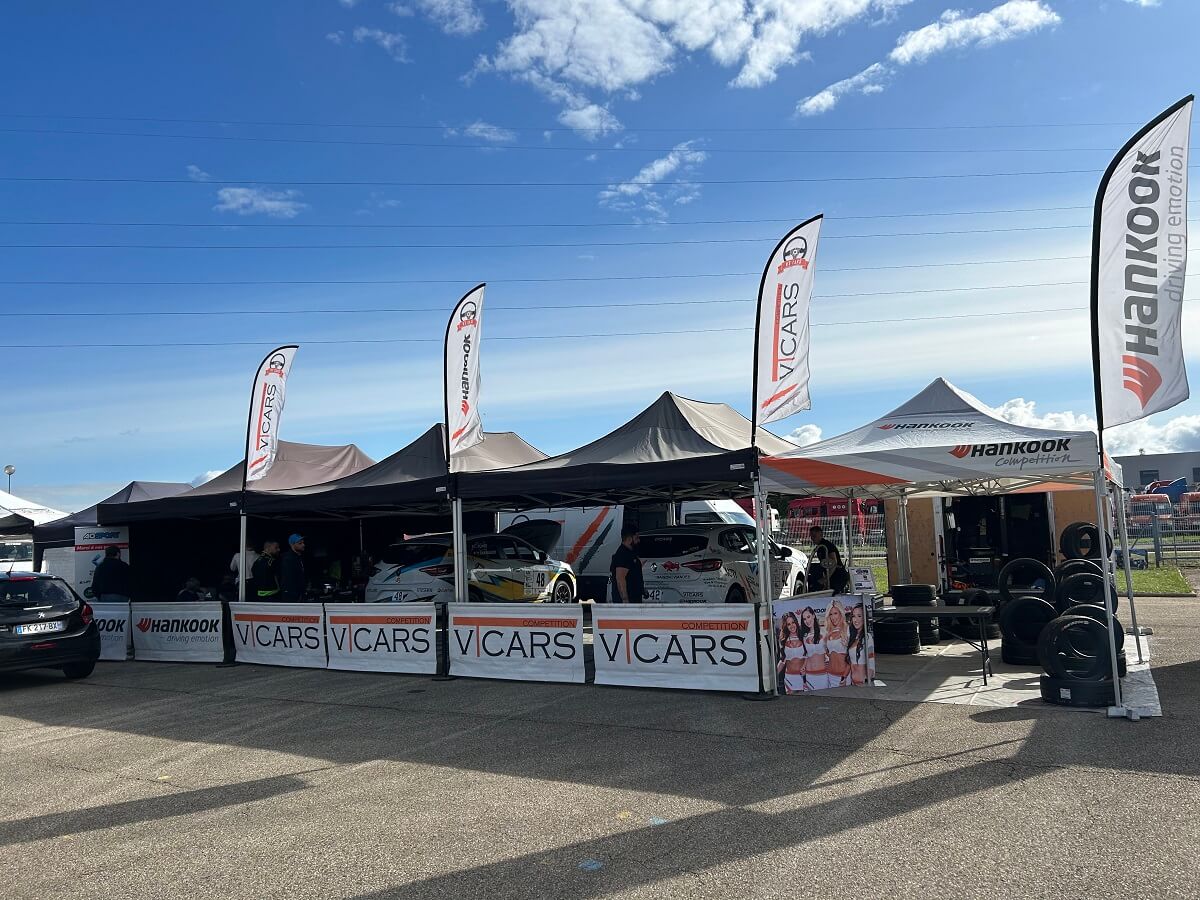
ℹ️ The entire package is normally governed by a written contract that precisely defines the responsibilities of each party, both on the rental company’s side and the driver’s.
In reality, however, the exact content of a rental service can vary greatly from one provider to another. Some already include most of the elements required to take the start, while others operate with a lower base price to which numerous options are added.
This is why a listed price alone is never enough to compare two rally rental offers. What truly matters is what is included… and above all what is not. When a test session is planned, for example, it is important to check whether the tires are included or billed as an extra.
Insurance, Excess and Security Deposit in Rally Rental: Understanding the Different Approaches
This is undoubtedly the most important point to understand, and also the one that raises the most questions among drivers.
Because behind the rental price there is in fact a financial balance based on several different approaches.
Paradoxically, it is also the least pleasant part of the subject. Technical, sometimes a bit tedious, it is often discussed too quickly… or too late. Yet these elements — insurance, excess, security deposit — are precisely what determine the real financial risk of a rally weekend ⚠️
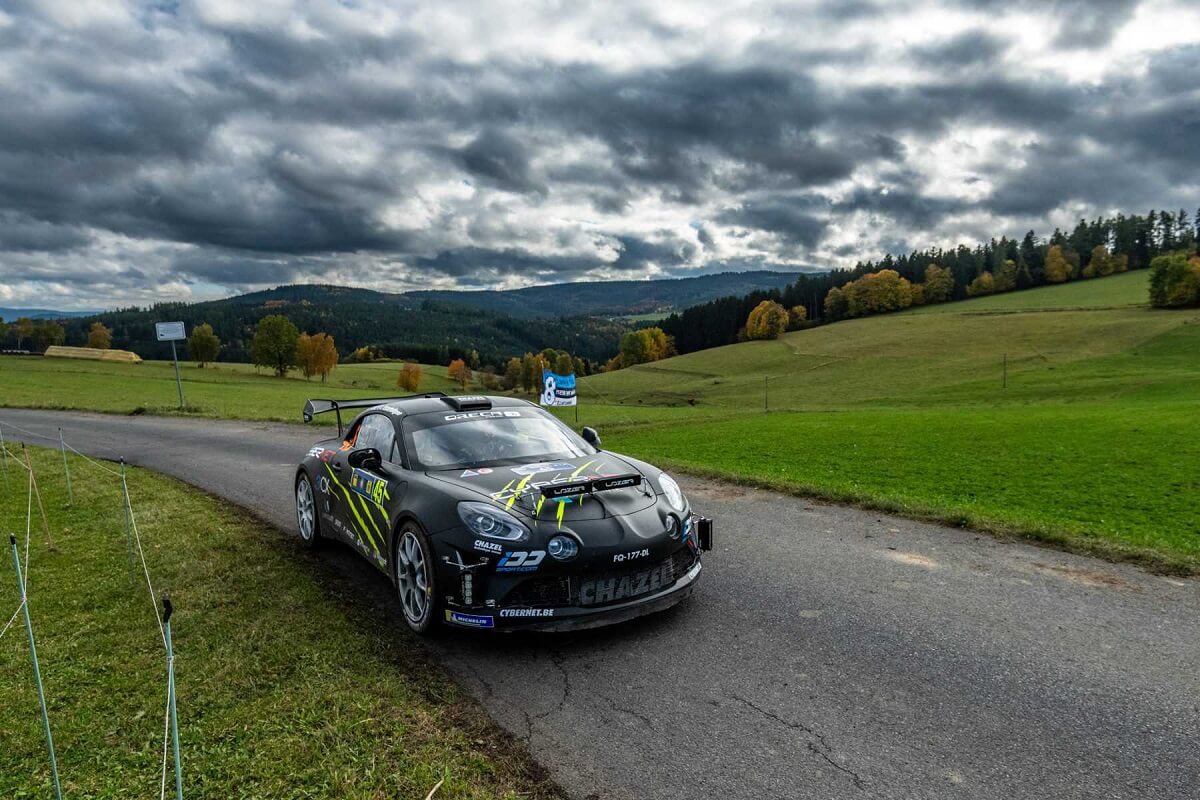
In practice, a first approach relies on the presence of a competition-specific insurance policy, either included or offered as an option. The overall rental cost is then higher, but the driver’s financial liability is limited by a predefined excess. In the event of an accident, the maximum risk is known in advance, which provides a certain level of security… even if this peace of mind comes at a price, as insuring a race car remains particularly expensive 💸
The second approach, on the contrary, consists of not insuring the car against going off the road. The advertised price may then seem more attractive, but this saving is almost always accompanied by a much higher security deposit, sometimes even close to the total value of the vehicle. In this case, the driver agrees to cover any potential repairs, which can amount to very high sums 😬
In practice, the boundary between these two approaches is rarely completely binary.
Many providers offer hybrid formulas, combining partial insurance, a high excess, and an additional deposit. Some structures also operate on a form of self-insurance, where the risk is directly assumed by the rental company according to the terms defined in the contract.
ℹ️ The objective is always the same: to distribute the financial risk between the driver, the insurer, and the rental company. But for the driver, this makes reading the contract even more essential, because two similarly priced offers can involve very different financial commitments.
Despite these differences, one principle remains constant: whether insured or not, a rented rally car always remains, at least in part, under the driver’s financial responsibility. In reality, many admit to driving with the deposit “hanging over their head”, which can naturally encourage a more cautious pace to avoid taking excessive risks.
Security Deposit Amounts by Rally Category
Although each structure applies its own terms and conditions, it is possible to provide some general figures here.
The level of the deposit primarily depends on the value of the rented vehicle, but also on the rally being contested and the chosen insurance level.
- In entry-level categories such as Rally6, the deposit is generally around 4,000 euros.
- In Rally5 or Rally4, observed amounts usually range between 5,000 and 8,000 euros.
- Moving up to Rally3 marks another step, with deposits close to 10,000 euros.
- Some rally GT cars also fall within this range: around 10,000 euros for an Alpine, generally more for a Porsche, and 20,000 euros or more for recent models such as the 992.
- Finally, in Rally2, security deposits frequently exceed 15,000 euros for older models and can reach 20,000 to 25,000 euros on average for very recent Rally2 cars.
ℹ️ These figures are, of course, indicative. They vary according to several key parameters: the actual value of the vehicle, the level of the event contested — as a regional rally does not carry the same risk as a national round — as well as the chosen insurance formula.
Also read: "Clio, Corsa, Ypsilon... Rally6 welcomes new cars"
But one thing remains constant: the more competitive and expensive the car, the higher the financial commitment required from the driver 📈

What Happens in the Event of a Crash or Mechanical Failure?
This is obviously the question every driver eventually asks, sometimes even before signing the contract. Because beyond the pleasure of driving, the real issue in a rally rental remains the management of risk when something goes wrong 🤕
In practice, two main situations must be distinguished: damage linked to a technical problem and incidents attributable to driving.
When a failure clearly results from a preparation defect, abnormal wear, or a mechanical component that should have been replaced before the event, responsibility logically falls on the provider. Depending on the terms defined in the contract, this may entitle the driver to a partial refund of the service, generally calculated according to the remaining distance to be covered. In this type of scenario, the deposit is in principle returned, since the driver is not at the origin of the issue.
The situation is very different when the incident results from driving. A run-off, an impact, an engine over-rev, or handling errors leading to mechanical damage almost always fall under the driver’s responsibility. Repairs are then covered through the insurance excess when applicable, or directly deducted from the deposit otherwise. To determine the exact origin of the damage, teams generally rely on onboard cameras and data logging, which help establish the facts objectively 🕵️
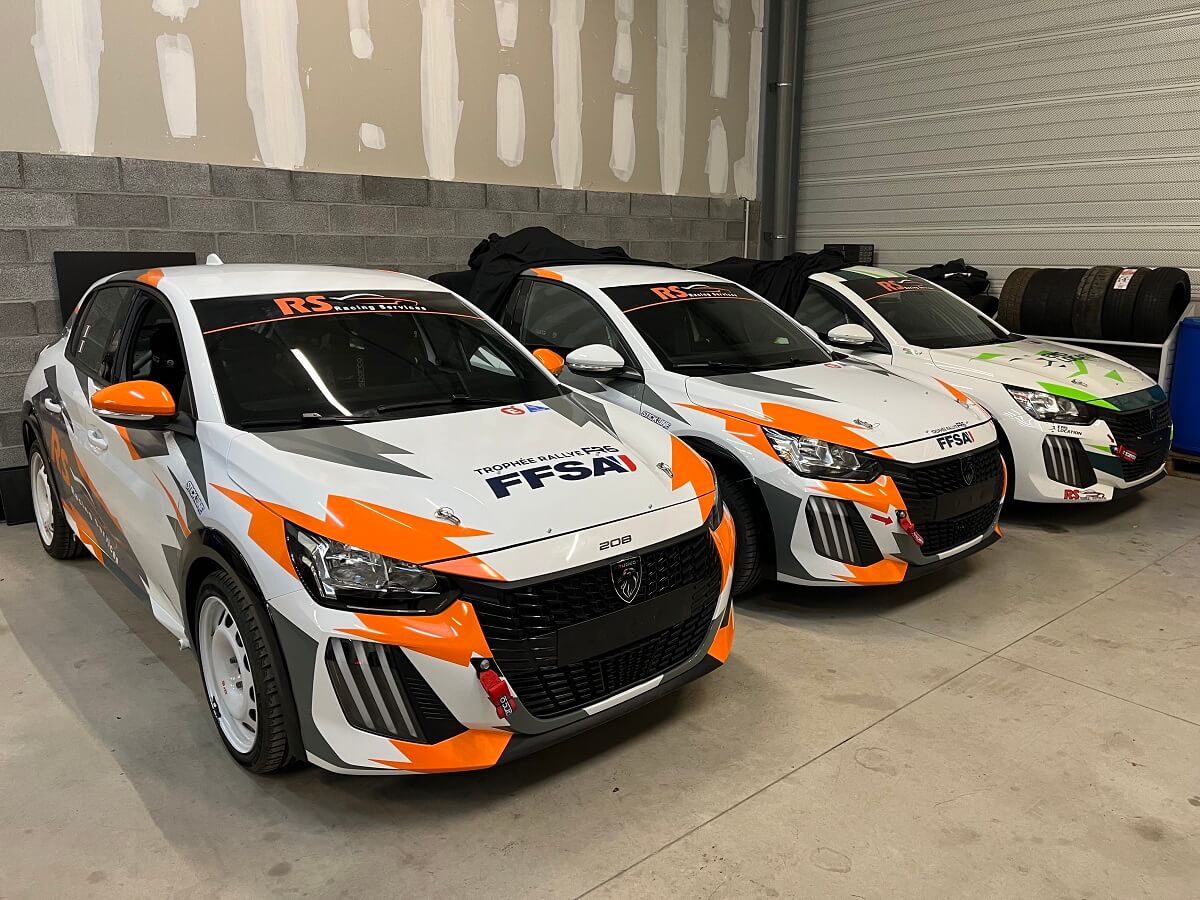
Some real-life cases clearly illustrate this logic. A gearbox that fails during a rally due to a poorly respected service interval falls under the responsibility of the rental company, with no deduction from the deposit. On the other hand, an engine over-rev caused by an incorrect downshift in the very first kilometers of a stage can result in the total loss of the deposit, with no refund of the rental service ❌
Another often overlooked point concerns the conditions for retirement. In many contracts, a retirement caused by the driver leads to no refund whatsoever. Even when a problem is attributable to the provider, some clauses state that beyond a certain percentage of the rally already completed, no financial compensation will be paid. These details, sometimes relegated to the bottom of the page, become crucial on the day the event ends earlier than expected.
Ultimately, the rule is simple but essential: in rally car rental, everything depends on the careful reading of the contract. It is the contract — and it alone — that determines what falls under the normal risks of competition… and what will remain financially at the driver’s expense.
The Real Cost of a Rental Weekend
The advertised rental price is only part of the overall budget.
To assess the true cost of a rally with a rented car, you must include all the elements that revolve around the main service.
In addition to insurance and any potential excess, there is first the immobilized deposit, which represents a very real financial commitment throughout the event. Then come the driver and co-driver equipment if not already available, the license, travel expenses and reconnaissance costs, certain consumables, possible additional tires depending on conditions, as well as test sessions or specific assistance services that may be billed as extras.
In other words, the final weekend budget is almost always higher than the initially announced price.
Understanding this reality helps avoid unpleasant surprises and prepare your sporting program with a more accurate financial perspective.
👉 To get a clearer overview of the rates charged depending on the categories, you can also consult the dedicated article on GoToTheGrid about the cost of renting a rally car.
Renting or Buying Your Own Rally Car?
This question regularly comes up among enthusiasts considering taking the next step.
Should you keep renting… or take the plunge and buy? 🤔
Some drivers prefer to own their own car in order to remain fully in control of repairs and expenses in the event of a run-off. Others favor rental to access a recent and competitive car without tying up significant capital, nor having to manage the maintenance, storage, or logistics of a race car.
In reality, there is no universal answer 🤷♂️
The right choice mainly depends on the available budget, the number of rallies planned during the season, the level of experience, but also on the time you can devote to preparation, logistics, and mechanics, as well as your personal tolerance for financial risk.
🎥 To go further, you can also watch the video: How to Start in Rally? Buy or Rent? How Much Does It Cost?
Also read: "Getting started in rallying : Buying your first race car"
Rally Car Rental: What to Remember Before Signing
Renting a rally car can be an exceptional sporting experience, provided you clearly understand the financial and contractual framework.
The advertised price is only a first indication.
The truly decisive elements remain the insurance, the deposit, the allocation of responsibilities in the event of an accident, as well as the seriousness of the chosen provider.
When properly understood, these parameters allow you to enjoy a rally weekend in excellent conditions, with a clear view of the risks involved. On the other hand, neglecting them can turn a passion project into a much heavier expense than expected.
In rallying as elsewhere, enjoyment always begins with one simple thing: knowing exactly what you are committing to 👍
[VIDEO] [VIDEO] RENTING A RACING CAR? (Here's what you need to know)


I'm Robin, 36, amateur driver and internet entrepreneur. I founded GoToTheGrid (GTTG) to create an intuitive platform dedicated to motorsport enthusia... See more