


 Login
Login
 Post an ad


GT3 Prices: Why Do They Keep Rising?
By RobinB on 14 July 2026 Circuit / Race Miscellaneous
For many years, the GT3 category represented something close to the perfect compromise in modern motorsport. These were spectacular race cars, closely resembling their road-going supercar counterparts, capable of competing in the world's most prestigious championships while still embracing a genuine customer racing philosophy.
ℹ️ Do you prefer watching a video? This article is also available in video format on YouTube, click here! 🎥
Of course, a GT3 has never been an "affordable" race car in the traditional sense. These machines are designed for professional teams, wealthy gentleman drivers, or factory-supported programs. But at the highest level of motorsport, GT3 still felt almost reasonable.
That is no longer the case. Today, GT3 prices are raising serious questions 🤔
When you look at the latest generation of brand-new GT3 cars, it quickly becomes clear that the category has entered a completely different price bracket. A car costing €400,000 before tax just a few years ago already seemed incredibly expensive. Today, several new GT3 models comfortably exceed €600,000 before tax, and some go even higher depending on the manufacturer, options, packages, and configuration 💰
These figures often refer only to the "bare" car, without including spare parts, dedicated tools, manufacturer support, operating costs, or the budget required to run a full racing season.
So, are GT3 cars becoming too expensive? Is the category following the same path as GTE before it? Or is this simply the price to pay for racing such sophisticated machines in some of the world's most prestigious championships?
Why are new GT3 cars becoming so expensive?
To understand how prices have evolved, it only takes a few examples.
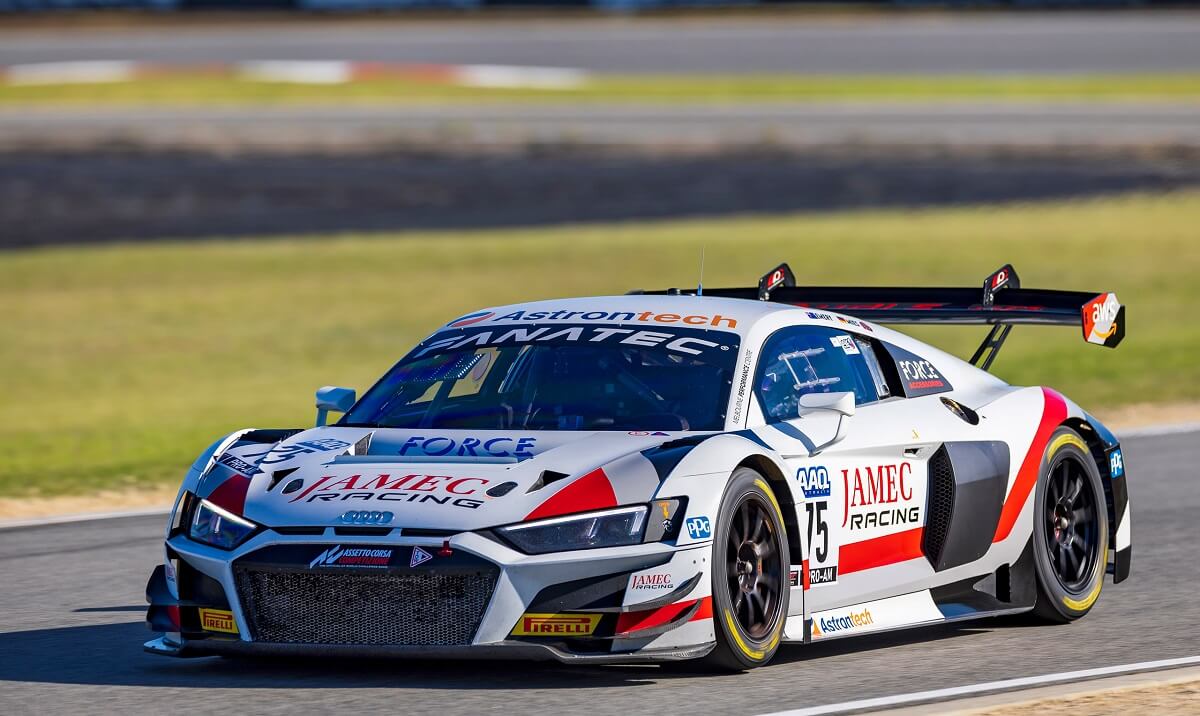
The Audi R8 LMS GT3 Evo II was officially priced at €429,000 excluding VAT in 2021. At the time, that already represented a substantial investment, but by today's standards it almost looks reasonable. Audi has delivered more than 300 R8 LMS GT3s, and although the model is nearing the end of its competitive life, customer support is expected to continue until 2032 👌
It is a perfect example of a GT3 that defined an era: competitive, widely sold, well understood by customer teams, and eligible for an enormous number of championships around the world.
The Mercedes-AMG GT3 Evo was launched at around €399,000 excluding VAT in 2020. Once again, we're talking about a hugely successful customer race car, with more than 300 units sold since the GT3 program debuted in 2016.
For many years, Mercedes and Audi embodied the idea of a GT3 that remained relatively "rational" from a financial perspective for a well-established customer team.
Today, however, the current Mercedes-AMG GT3 is approaching the end of its lifecycle. According to information recently received from Mercedes-AMG Motorsport, the final production batch of the current GT3 has already sold out while the brand prepares its next-generation model.
Mercedes-AMG has already confirmed that it is developing a new GT3 based on a future Black Series road car, which will serve as the homologation model. That detail is particularly interesting because it highlights how today's GT3 cars are increasingly linked to highly exclusive road cars that are themselves extremely expensive to develop.

But with the newest generation of GT3 cars, the price increase reaches another level entirely.
The BMW M4 GT3 Evo is priced at €578,000 excluding VAT for the car alone. With France's 20% VAT, that already represents around €694,000 including tax, before adding options, spare parts, transport, dedicated tools, and everything else required to actually run the car in competition.
The Porsche 911 GT3 R Evo starts at €573,000 excluding VAT for the 2026 model. Once again, that is simply the base price for the car itself.
At Aston Martin, the Vantage AMR GT3 Evo was launched at £575,000 excluding VAT in 2024, equivalent to roughly €663,000 excluding VAT depending on exchange rates. According to a recent quotation for 2026, however, the entry price is now closer to €716,000 excluding VAT for the car alone.
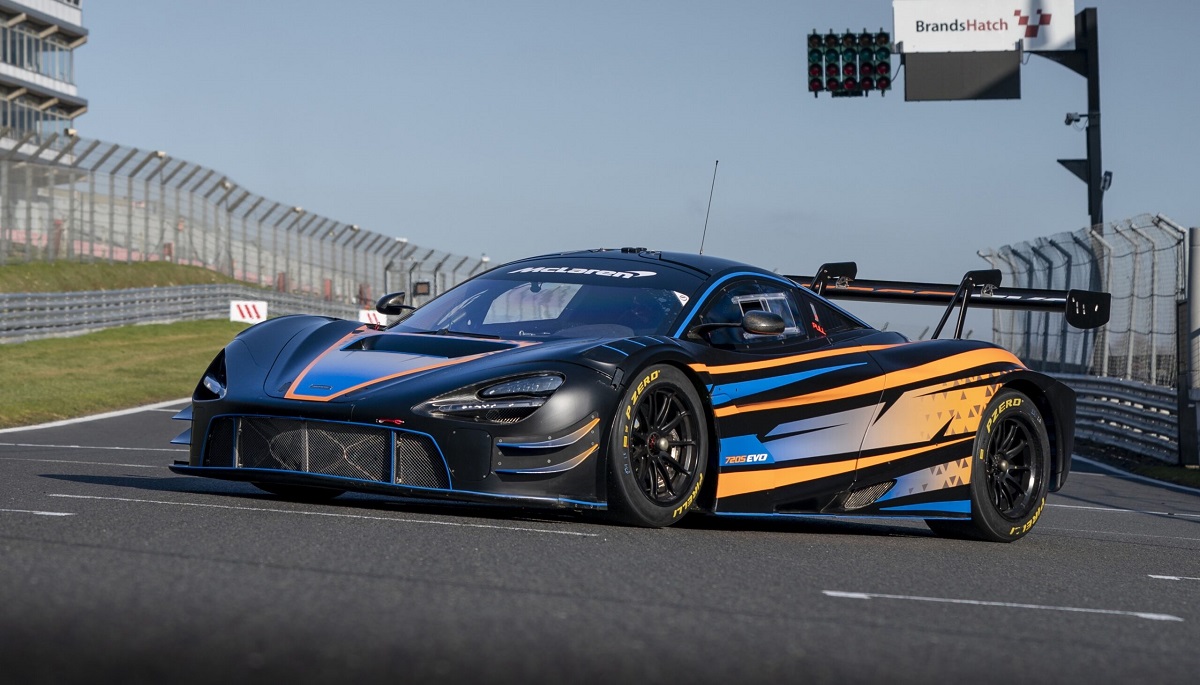
The McLaren 720S GT3 Evo follows the same trend. Based on recent information received, the car is reportedly priced at around €600,000 excluding VAT, with no options included.

As is often the case in motorsport, however, the price of a brand-new "bare" race car tells only part of the story. Once you add a spare parts package, additional wheels, a few almost-essential options, and all the equipment required to operate the car properly, the real price of a race-ready GT3 increases very quickly 📈
In GT3 racing, the advertised price rarely reflects the actual budget needed to get on track. Wheels, spare parts, tools, options, manufacturer support, and consumables can quickly add tens of thousands of euros.
The same trend can also be seen among American manufacturers.
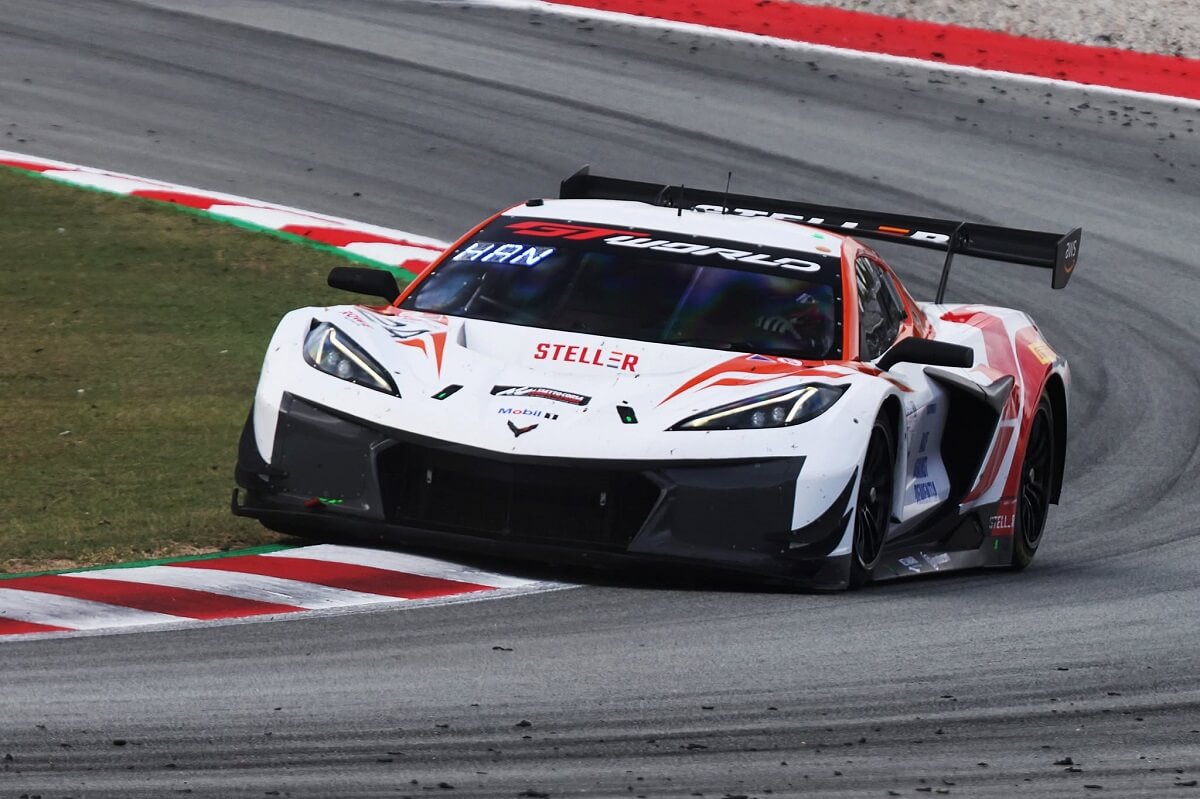
The Corvette Z06 GT3.R was launched at $735,000 when it debuted in 2023.
The Ford Mustang GT3 goes even further. According to official information relating to the purchase of a Mustang GT3 S650, the initial payment alone amounts to $952,149 before taxes.
On top of that figure, buyers still have to pay local taxes, shipping from the United States, import duties, optional equipment, spare parts, and the specialist tools required to run the car 🥵

And then there is Ferrari.
The Ferrari 296 GT3 currently appears to represent one of the most extreme examples on the market. According to several sources, a bare Evo version is believed to sell for more than €800,000 excluding VAT, although Ferrari does not publicly disclose an official list price.
On the used market, non-Evo Ferrari 296 GT3s are already changing hands for more than €600,000 excluding VAT. Some reported transactions are even significantly higher, including one car that reportedly sold for around €851,000, despite not even being the Evo version.
It is probably the most expensive GT3 currently available—or at least one of them. And despite that, Ferrari's order book still appears to be full 👍
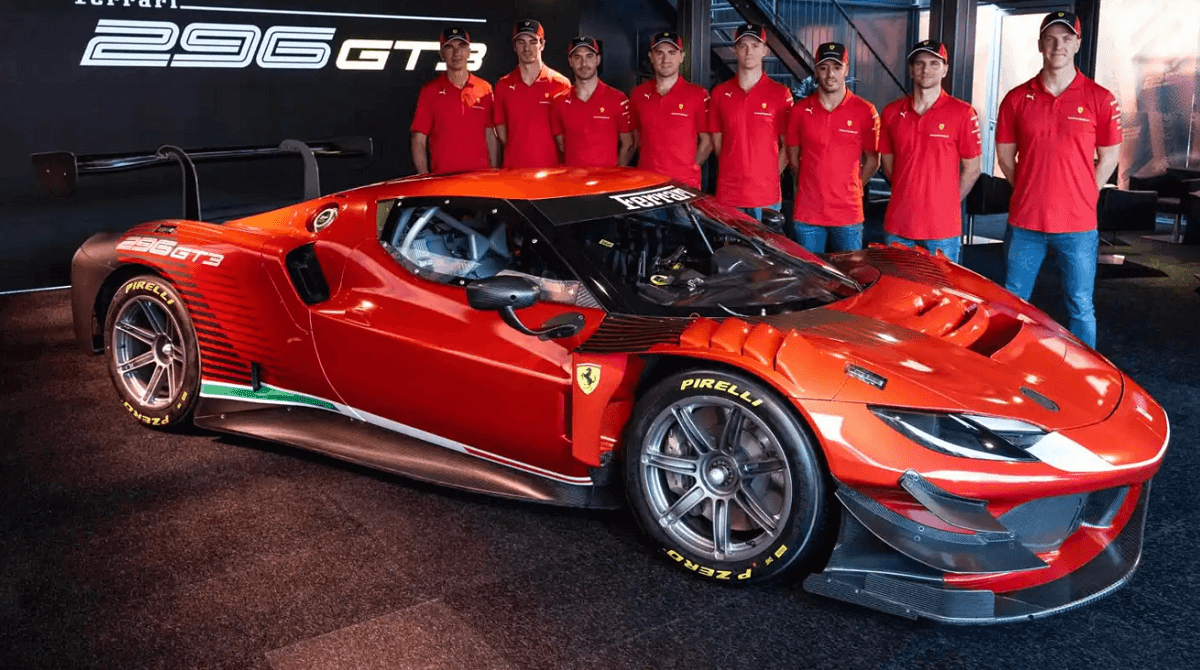
This is where things become particularly interesting: everyone agrees these cars are incredibly expensive, yet they continue to sell.
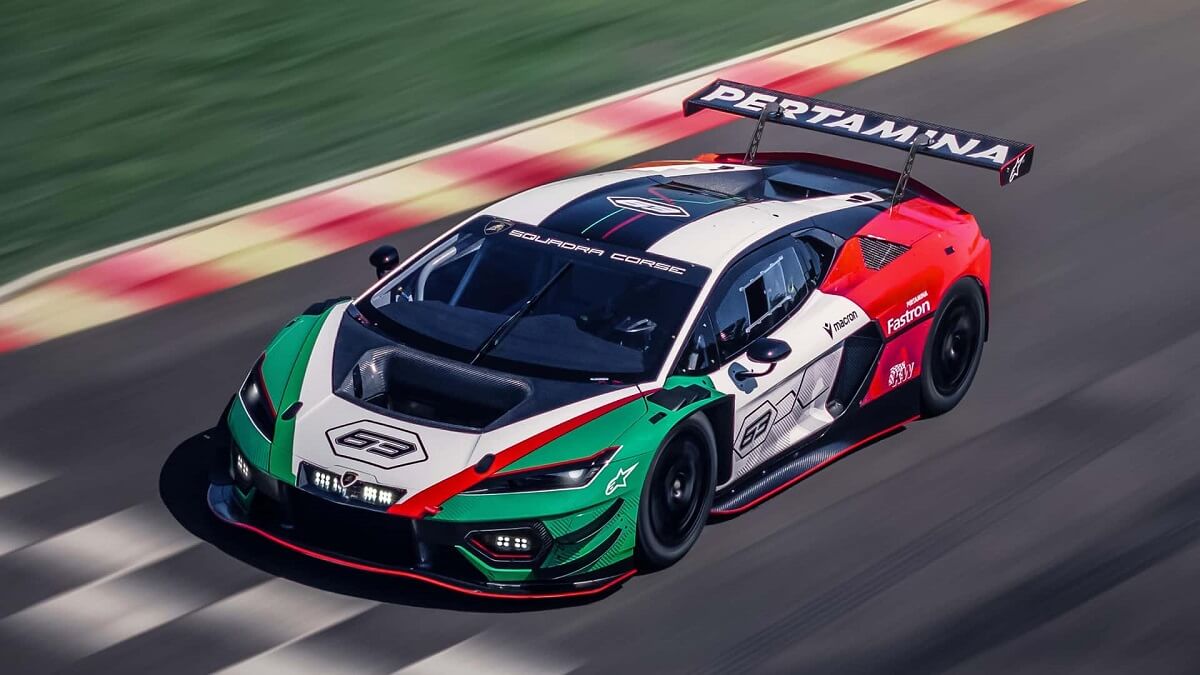
The upcoming Lamborghini Temerario GT3 will also be an interesting car to watch. The road-going Temerario already sits at the very top of the market, with a base price exceeding €300,000 and highly specified examples capable of surpassing €500,000 before motorsport even enters the conversation.
At the time of writing, Lamborghini has not officially announced the price of the GT3 version. However, considering the Temerario's positioning, the expected level of engineering, and the current market trend, it seems very likely that it will rank among the most expensive GT3 cars available.
The purchase price is only the beginning
When discussing the price of a GT3 car, most people naturally focus on the purchase price of a brand-new chassis. That's understandable, because the figures alone are already staggering. In reality, however, that is only one part of the equation.
See also: "Visit to the ANS Motorsport workshop: behind the scenes of a racing team"
A GT3 is rarely race-ready in its most basic specification. Teams typically need to add endurance packages, sensors, electronic systems, specialized tools, cooling components, spare parts, aerodynamic kits, and various options required by specific championships.
A GT3 advertised at €600,000 excluding VAT can ultimately cost several hundred thousand euros more once taxes, options, spare parts, and all the equipment required for a serious racing program are included.
And then you actually have to race it 😋
Tyres, brakes, consumable parts, rebuilds, suspension components, gearboxes, engines, transport, mechanics, engineers, championship entry fees, private testing, factory support, and inevitable crash damage... all of these expenses can amount to an enormous budget.
In many cases, it is not even the purchase price of the car that determines whether a program is financially viable, but rather the team's ability to fund an entire season at a competitive level 💪
That is something you hear repeatedly in paddock conversations. GT3 remains one of the most accessible forms of top-level motorsport considering what it allows you to compete in—but only within a world where budgets are already measured in millions.
See also: "Nova Proto NP02: The Perfect Balance Between Budget and Performance"
For a private team, one difficult season, one major accident, or an insufficient operating budget can quickly turn a beautiful new GT3 into a significant financial burden 😕
Why have GT3 prices increased so dramatically in recent years?
The first explanation is simple: modern GT3 cars have become far more sophisticated.
The earliest GT3s were often viewed as heavily modified road cars adapted for racing. Today, some are almost prototypes disguised as GT cars. They still resemble their road-going counterparts, but their level of engineering has reached an entirely different level.
Aerodynamics have become a major factor. Manufacturers now devote enormous resources to stability, downforce, bump compliance, ride-height sensitivity, drivability for amateur racers, endurance performance, tyre management, and optimization for the Balance of Performance (BoP) ⚖️
These are no longer just fast race cars. They are machines engineered to remain competitive on vastly different circuits, with very different driver line-ups, across a wide range of championships.
And that's where the paradox appears...
GT3 cars must be fast enough to win races, yet forgiving enough for gentleman drivers. They must deliver outstanding performance without becoming too difficult to drive. They have to be reliable while remaining competitive. They must work within the BoP system without becoming impossible to balance 🤪

They are expected to compete at Spa, the Nürburgring, Daytona, Sebring, Le Mans, in the GT World Challenge, IMSA, DTM, British GT, and numerous national championships around the world.
A modern GT3 must be fast, reliable, suitable for amateur drivers, compatible with the BoP system, and competitive on vastly different circuits. Achieving that level of global versatility inevitably drives development costs higher.
The category's popularity probably plays a role as well.
GT3 cars are everywhere. Grids are full, numerous manufacturers are involved, the championships are prestigious, and there is still strong customer demand. As long as teams continue buying these cars, manufacturers have little incentive to reduce prices.
It may sound blunt, but motorsport follows the same economic principles as any other market: if customers are willing to pay €800,000 for a GT3, it becomes difficult to argue that the price is commercially unjustified.
There is another important point. Unlike some racing categories that directly regulate vehicle costs or impose price caps, GT3 does not appear to operate under any meaningful maximum selling price limiting what a manufacturer can charge for a new car.

In rallying, for example, several categories have been designed with a much stronger emphasis on cost control, particularly at the entry level.
See also: "Rally2: the modern rallying success story"
GT3 regulations, by contrast, focus primarily on technical rules, homologation, and the Balance of Performance, rather than imposing a ceiling on vehicle prices.
As a result, if a manufacturer can successfully sell a GT3 for €700,000, €800,000, or even more than €1 million once properly equipped for competition, the market will absorb it as long as customer teams continue buying. That may be where the real concern begins: the limiting factor is no longer the regulations—it has become the economics.
Is GT3 becoming the next GTE?
That is one of the biggest questions currently being discussed throughout the paddock.
GTE was a spectacular category, featuring extraordinary race cars, but its economic model eventually became unsustainable. Development and operating costs spiraled upward, factory programs became increasingly dominant, and private teams struggled to remain competitive.
Eventually, GTE could no longer sustain healthy grids over the long term.
GT3 was supposed to be a more sustainable alternative: more manufacturers, more customer teams, more championships, more cars produced, greater parts availability, and a philosophy built around private entrants and gentleman drivers.
That is precisely what made the category such an extraordinary success.
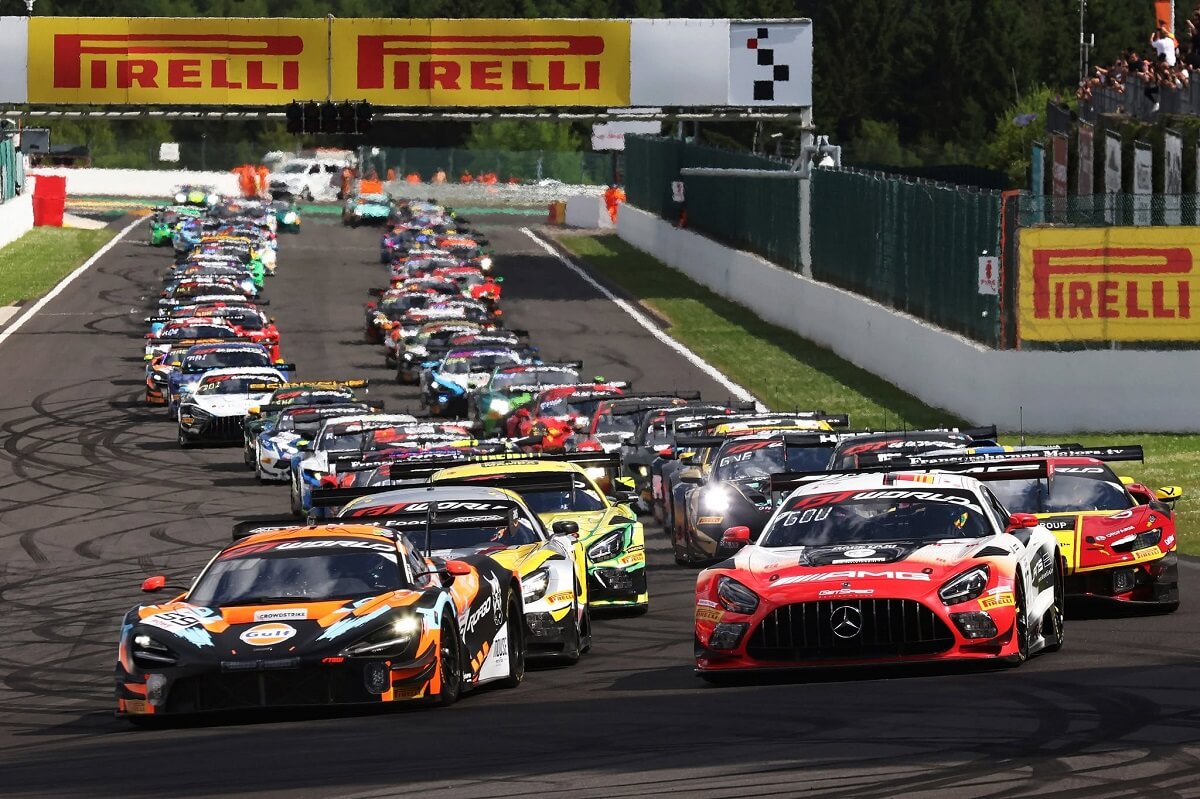
Today, however, some observers wonder whether GT3 is beginning to follow the same path. Cars continue to become more expensive, more sophisticated, and increasingly prototype-like, while each new generation—especially the latest Evo versions—accelerates the replacement of older cars through ever-shorter development cycles 🥵
Today's GT3 category remains far healthier than GTE was at the end of its life. Manufacturers are still investing heavily, grids remain strong around the world, and customer demand continues to be robust.
At this stage, it would therefore be inaccurate to say that GT3 is facing an immediate crisis. Nevertheless, it is fair to question whether the category's long-term economic balance is becoming increasingly fragile.
GT3, LMGT3, and GTD: the same foundation, but not always the same world
There is also a common source of confusion when it comes to the terminology.
A GT3, an LMGT3, and a GTD are not necessarily completely different race cars.
In most cases, they all share the same homologated GT3 platform, but each championship adds its own regulations, technical requirements, Balance of Performance (BoP), equipment, and operational standards.
In the FIA World Endurance Championship (WEC), the LMGT3 category replaced GTE. The cars are still based on GT3 regulations, but they compete within the highly specific environment of the World Endurance Championship and the 24 Hours of Le Mans. Additional equipment related to BoP, telemetry, sensors, and technical monitoring may be required, increasing operating costs even though the underlying car remains a GT3.
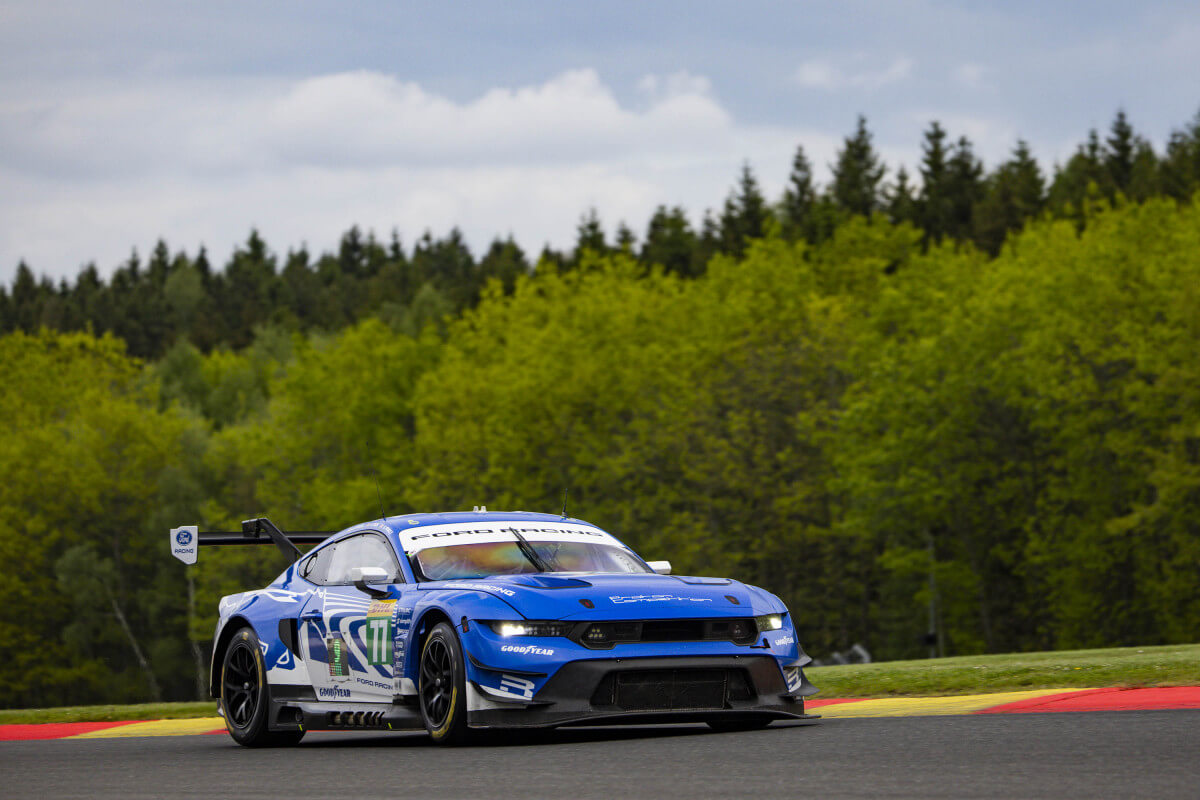
In IMSA, both the GTD and GTD Pro classes are also based on GT3 machinery. The main differences lie in the sporting regulations, driver line-ups, championship structure, manufacturer support, and the overall level of competition.
As a result, two cars sharing the same technical platform can have dramatically different operating costs depending on the championship in which they compete.
On paper, it may be "the same GT3 car," but the real cost depends heavily on the championship, the team, the desired level of performance, and the amount of technical support required.
Which championships can a GT3 race in?
This is undoubtedly one of the category's greatest strengths. A GT3 can compete in an enormous number of championships around the world 🌎
In Europe, the most obvious example is the GT World Challenge Europe, with both its Sprint and Endurance formats. GT3 cars also compete in the DTM, the International GT Open, the British GT Championship, the ADAC GT Masters, the NLS on the Nürburgring Nordschleife, as well as major endurance races such as the 24 Hours of Spa and the 24 Hours of Nürburgring.
Some of these championships are dedicated exclusively to GT3 cars, while others are multi-class series, including British GT, the NLS, and the 24 Hours of Nürburgring.
Beyond Europe, GT3 machinery also competes in IMSA, the Asian Le Mans Series, GT World Challenge America, GT World Challenge Asia, numerous national championships, Australia, Japan, and now the WEC through the LMGT3 category.
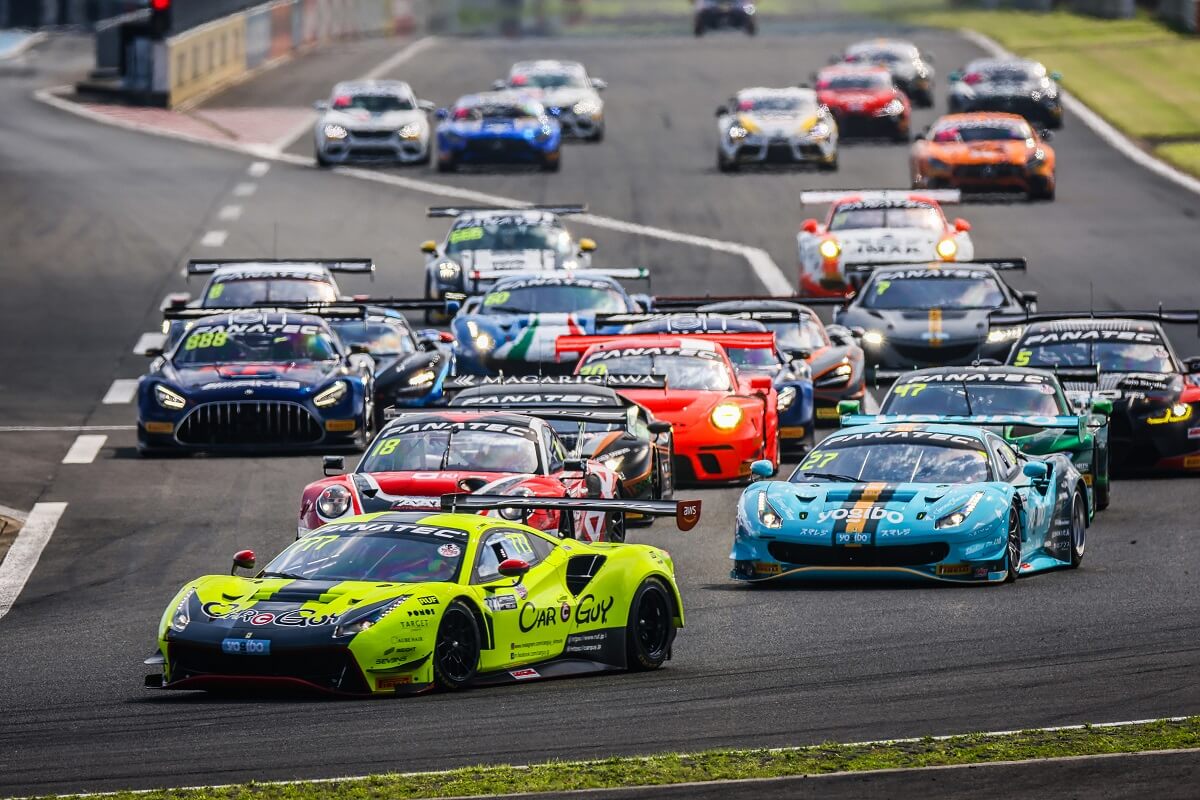
This global versatility explains much of the category's success. A GT3 is not tied to a single championship—it's a worldwide racing platform.
For manufacturers, that means selling dozens—or sometimes hundreds—of customer race cars. For teams, it offers multiple opportunities to compete. And for wealthy amateur drivers, it provides access to some of the most iconic circuits and endurance events in motorsport.
That may also explain why prices remain so high: in modern motorsport, this level of versatility is incredibly valuable.
On GoToTheGrid, you'll find a wide selection of track and circuit race cars for sale, as well as GT race cars, including GT3, GT4, Cup cars, and other Grand Touring machines ready for the track.
Whether you're comparing market prices, searching for a used GT3, a Porsche Cup, a TCR, a prototype, or a track-day car, these listings also provide valuable insight into the real budgets involved in modern motorsport.
Evo versions: meaningful progress or a slippery slope?
Another important topic is the arrival of Evo versions.
In GT3 racing, cars typically evolve in cycles. A model is introduced, competes for several seasons, and is then followed by an update. Sometimes this means an entirely new car. Other times, manufacturers offer an upgrade kit that allows existing chassis to be converted.
In principle, that is not necessarily a bad thing. An Evo package can improve reliability, reduce wear, make the car easier to drive, correct weaknesses, or better suit amateur racers.
It is not always about increasing outright performance. In many cases, the goal is simply to make the car more consistent, easier to set up, and less demanding to drive.
In GT3 racing, updates are often designed as much to improve reliability, ease of operation, and consistency as they are to deliver outright performance gains.
For racing teams, however, each new Evo also creates additional pressure.
Buying a brand-new GT3 already represents a huge investment. If an Evo version arrives just a few years later, teams may need to purchase an upgrade kit, modify the car, update their spare parts inventory, train mechanics, and adapt part of their operating procedures.
For a large professional team, this is an inconvenience. For a smaller operation or a private entrant, it can become a much more significant challenge.
The issue is even more important in a category where resale value matters. A pre-Evo GT3 may remain perfectly competitive and enjoyable to race, but its market value and desirability can quickly decline once customer demand shifts toward the latest specification.
What happens to older GT3 cars?
Fortunately, a GT3 that is no longer competitive in the world's leading championships does not automatically become obsolete. It can continue racing in less demanding series, track days, private testing, national championships, or gradually transition into the world of historic motorsport.
We are already beginning to see early GT3 cars becoming modern classics.
The GT3 Revival Series is a perfect example, featuring cars such as the Ferrari F430 GT3, Ferrari 458 GT3, Audi R8 LMS, BMW Z4 GT3, Lamborghini Gallardo GT3, Aston Martin V12 Vantage GT3, Porsche 997 GT3 R, and the Corvette Z06R GT3.
It's fascinating because many enthusiasts still don't consider these cars particularly old.
See also: "The Porsche 911 GT3 Cup type 992 makes its rally debut!"

Yet they already represent a significant chapter in GT racing history. They competed at Spa, the Nürburgring, in the Blancpain GT Series, the GT Open, and often in the hands of some of the sport's best professional drivers. They defined the era in which GT3 became the world's leading Grand Touring category.
Tomorrow, today's GT3 cars may well follow the same path.
Some of the most widely produced models may become highly desirable collector's cars. Others could prove more difficult to maintain because of expensive spare parts, reduced factory support, or increasing technical complexity. Whether in modern or historic racing, ownership costs never end with the purchase price.
My view on the explosion in GT3 prices
I find the whole situation rather paradoxical.
On one hand, prices have reached extraordinary levels. When a brand-new GT3 approaches—or even exceeds—one million euros in a genuinely race-ready configuration, it becomes difficult to argue that everything is perfectly normal.
The category was originally built around a balance between performance, spectacular racing, relative affordability, and customer-focused competition. If prices continue rising too quickly, that balance could eventually become fragile.
On the other hand, GT3 remains one of the greatest success stories in modern motorsport 😎
Grids are full, manufacturers continue to invest, championships remain highly attractive, and the cars can compete in an extraordinary variety of events around the world.
That is the real contradiction: the category is becoming increasingly expensive, yet it remains incredibly desirable.
The problem may not simply be that GT3 cars are expensive. The real risk is that rising costs eventually push away the private teams that made the category so successful in the first place.
To me, the real issue is therefore not just the purchase price. It is the absence of a clear upper limit.
As long as demand remains strong, every manufacturer has an incentive to go a little further: more development, more options, more packages, more factory support—and, inevitably, a higher final price.
In the short term, that model clearly works. Over the long term, however, it may be exactly how a customer racing category gradually stops being truly accessible.
Conclusion
GT3 cars remain among the most fascinating race cars in the world today.
They are fast, spectacular, compete in the world's biggest championships, and remain visually close enough to their road-going supercar counterparts to capture the imagination of fans.
But their prices also tell an important story about the evolution of modern motorsport.
What was once considered a relatively "reasonable" category at the highest level has evolved into a world that is increasingly expensive, increasingly sophisticated, and increasingly professional.
For now, the model still works. Cars continue to sell, grids remain full, and manufacturers keep investing. But the future deserves close attention.
Because if a customer racing category becomes too expensive, it risks losing exactly what made it successful in the first place: giving private teams, gentleman drivers, and independent operations the opportunity to compete in some of the greatest events in motorsport.
And perhaps that is the real question behind the explosion in GT3 prices: at what point does a customer racing category become too expensive to remain truly accessible? 🤔
[VIDEO] How Much Does a GT3 REALLY Cost? (It's CRAZY!)


I'm Robin, 36, amateur driver and internet entrepreneur. I founded GoToTheGrid (GTTG) to create an intuitive platform dedicated to motorsport enthusia... See more