

 Login
Login
 Post an ad


KFS: A New Era for Low-Budget 2-Stroke Karting
By RobinB on 10 February 2026 Karting
Directly descended from the early-2000s FFSA Formula, the KFS (Kart Formule Sport) quickly established itself as the ultimate 2-stroke entry-level category: a simple kart, a single-engine formula, controlled costs, and a genuine sporting framework to learn how to compete on equal terms 😋
In a world where karting can easily turn into an arms race, KFS stands out as an island of simplicity: less than €6,500 for a complete brand-new setup, accessible races, and equipment built to last.
ℹ️ A full KFS kart test is also available on YouTube. Click here to watch the video! 🎥
For nearly 22 years, the category has been powered by an iconic engine: a 100cc air-cooled IAME single-cylinder — reliable, rugged, and affordable to maintain. This engine, kept unchanged from the creation of the KFS until the end of 2023, embodies the core DNA of the championship: seat time, consistency, and no gimmicks. No technical escalation, no exotic options — just a tubular chassis, an air-cooled engine, a set of hard slicks, and drivers expressing themselves on track 💪
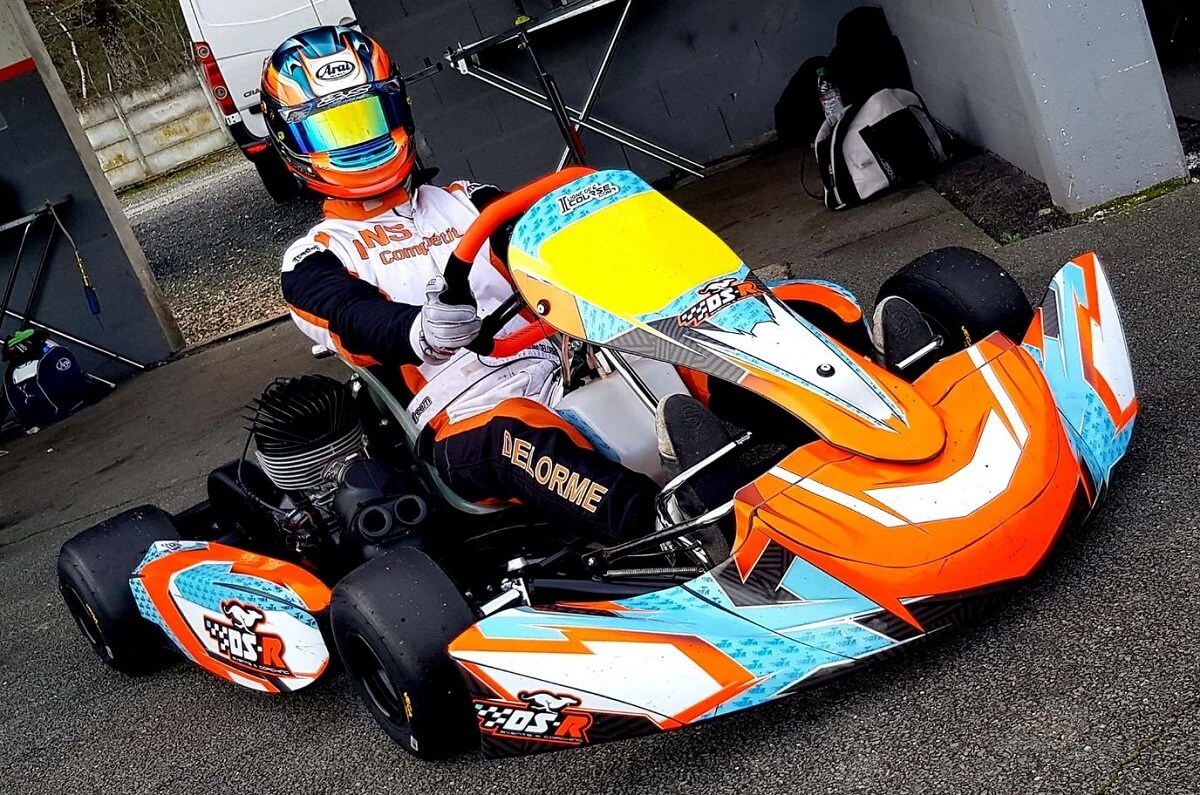
But as the karting landscape evolves, the category must also look ahead. While not outdated or problematic, the 100cc air-cooled engine was an old foundation — essentially unchanged for over 20 years. The arrival of a new engine block was therefore a move of foresight: to offer a more modern, more scalable platform in line with current technical standards, while preserving the KFS identity. This shift also prepares for the future, as some federations begin questioning the long-term use of open air-cooled engines.
🔄 To make this transition easier, EvoKart offered a trade-in program for old KFS engines worth up to €1,200 (incl. tax) when purchasing a new ROK SV engine (priced at €3,590 incl. tax at the end of 2023 and €3,790 incl. tax currently), allowing drivers to renew their equipment at a reduced cost 👌
It’s in this context that the shift occurred at the end of 2023, with the introduction of an entirely new engine: the Vortex KFS, a 125cc liquid-cooled unit derived from the international OK base. This transition was carefully planned to address several key objectives: improved reliability, more torque, better safety (thanks to liquid cooling), and an upgrade path should the category one day want to increase power or adapt to new formats.
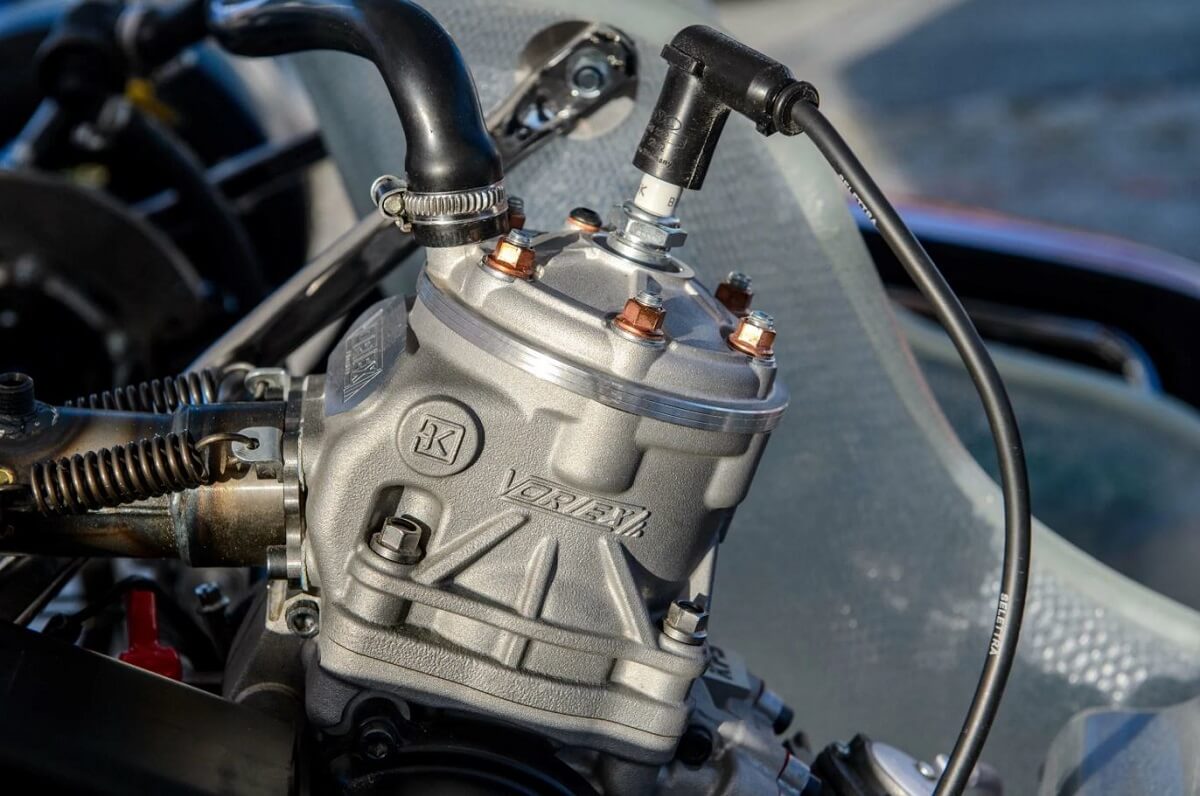
ℹ️ In its unrestricted version, this engine can produce up to 34 horsepower. But to remain faithful to the KFS philosophy, it’s limited to around 22 hp, with the revs capped at 15,000 rpm.
The result? Noticeably higher performance than the old 100cc — especially in torque and low-end power — yet with enhanced driving pleasure, a wider usable rev range, and an engine designed to last up to 50 hours before a full rebuild 🤪
This is clearly an evolution, not a revolution. KFS hasn’t turned into a complex or high-maintenance formula. It remains straightforward, with standardized equipment and a controlled budget. The key difference is that the new engine is now ready for the next 20 years, including endurance events or more demanding formats.
💰 On the budget side, KFS remains one of the most affordable 2-stroke karting categories. Like everywhere else, equipment prices have slightly increased in recent years, particularly with the arrival of the new Vortex engine. In 2026, a brand-new complete package sells for €6,499 (incl. tax) — a competitive price given the build quality, mechanical reliability, and technical stability offered.
ℹ️ Some optional extras can be added, such as a hydraulic brake system (€320 incl. tax), a lithium battery (€92), or complete assembly ready to race (€395 incl. tax). These add-ons remain reasonable but should be factored into the total budget. You can find an example order form listing all available options here on the Evokart France website 📝
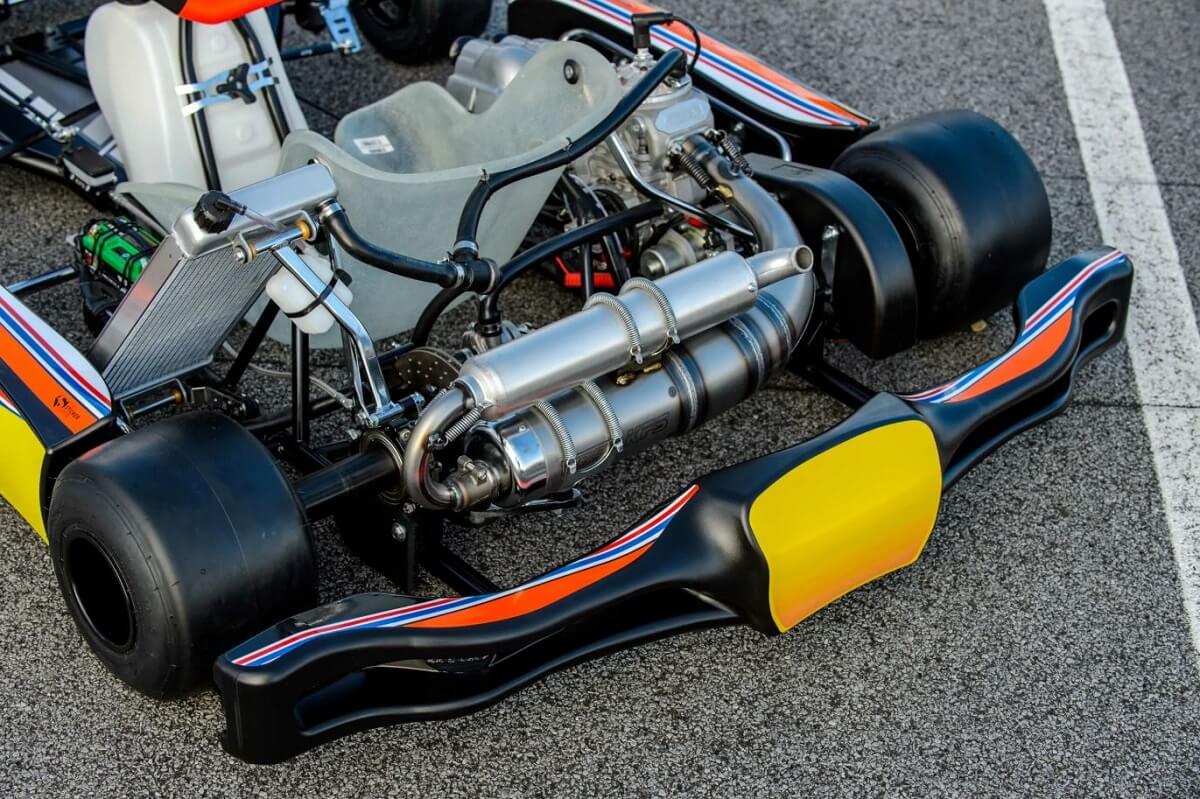
But it’s in running costs where KFS truly shines: an engine designed for 50 hours before rebuild, a single tire type for everyone (with rain tires banned), and stable equipment from one season to the next. Maintenance is simple, parts remain affordable, and you can complete a full season without blowing your budget. It’s a true counterexample to other categories where tire wear, engine rebuilds, and consumable costs can easily double the initial investment 🥵
Also read: "What is the budget required to drive a competitive kart ?"
👉 In short, KFS has successfully evolved without ever betraying its DNA. It continues to embody the original spirit of karting: simplicity, durability, driving pleasure, and fairness. But in 2026, it reaches a historic milestone — KFS officially becomes the category used for the French Championship and the French Endurance Karting Cup. Combined with its return to Île-de-France, this new national status confirms more than ever the relevance and maturity of the concept 😎
The EvoKart Association and the KFS Philosophy
The success and longevity of KFS are inseparable from EvoKart France, the association that has structured and developed the category since 2009. Created to promote competitive, fair, and accessible karting, EvoKart carries the KFS concept with a clear vision: to offer a single-make kart designed for driving enjoyment, mechanical reliability, and realistic running costs. A simple recipe… but an extremely effective one 👍🔥
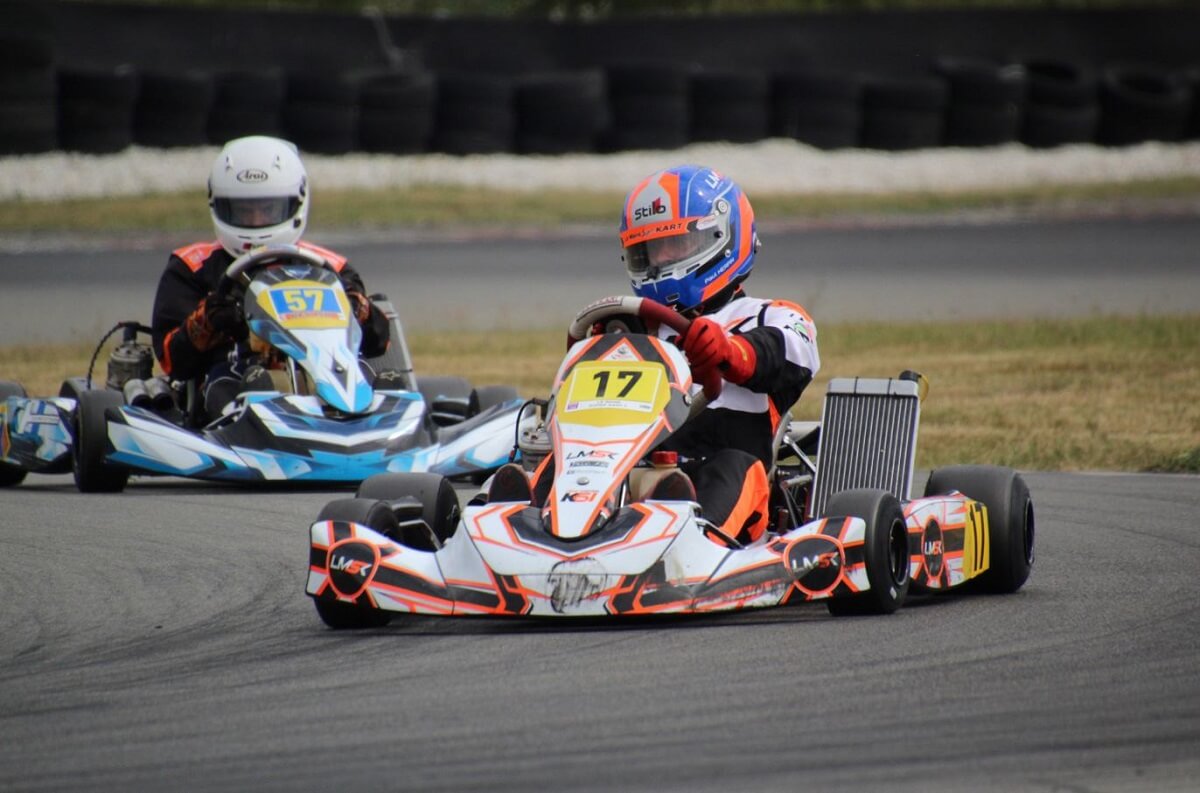
In practical terms, EvoKart designs, assembles, and distributes the entire KFS package — chassis, engine, and components — ensuring total technical uniformity. The association also supports drivers and teams throughout the season by providing technical and logistical assistance at major events (Challenge Minarelli, KFS endurance races, Défi France, etc.).
As a non-profit association under French law (loi 1901), EvoKart reinvests all revenue directly into developing the category and supporting participants, rather than pursuing commercial profit. This unique structure, combined with a clear sporting philosophy, makes KFS the only true single-make promotional series in France — with identical chassis, engines, and tires for everyone 🥳
The mission has remained unchanged for over 20 years: minimize equipment disparities, emphasize driver skill, and escape the financial spiral that affects so many other racing categories 💸
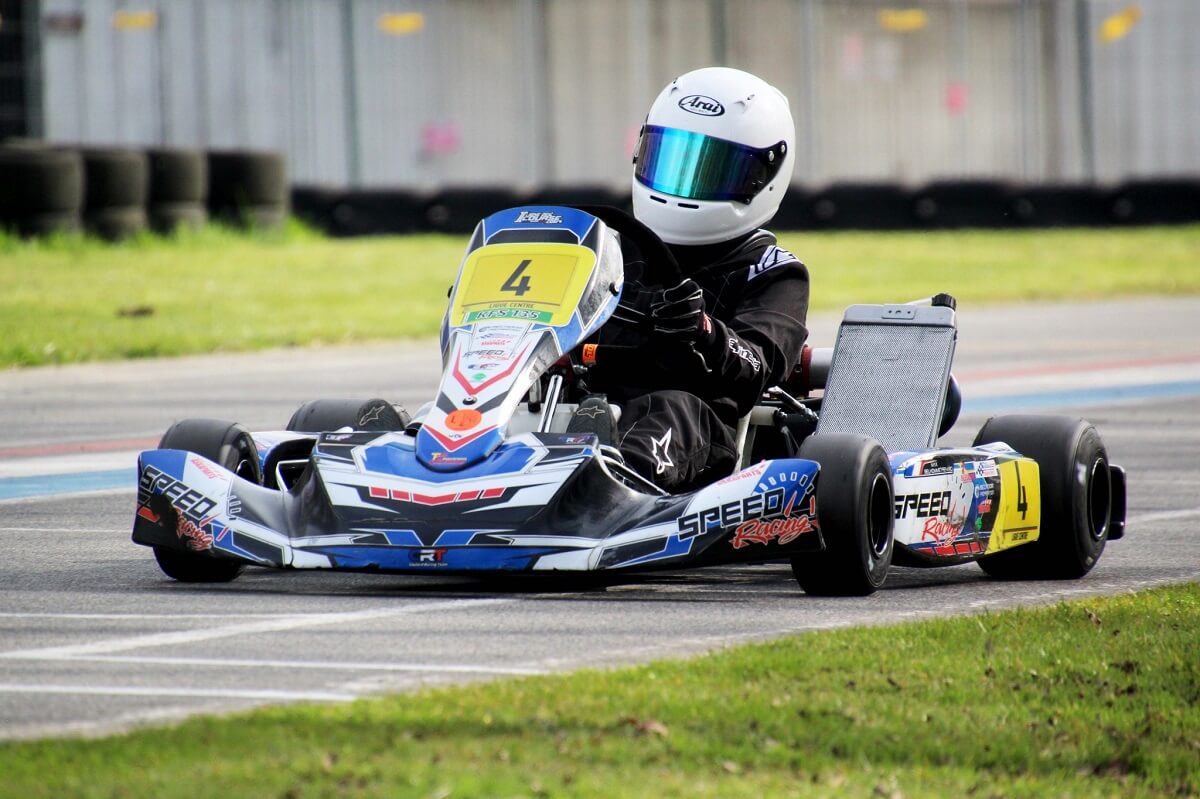
A “Made in France” Kart: Chassis and Manufacturing
The KFS chassis is entirely designed and built in France at EvoKart’s workshops near Tours. Each frame starts from a 6-meter bar of chrome-molybdenum steel (25CD4S), which is cut, bent, and welded with precision. From the outset, the design philosophy has favored simplicity, robustness, and transparency. The 32 mm tubular frame offers an ideal balance between efficiency and drivability, even for less experienced drivers 😉
After receiving a coat of high-resistance epoxy paint, each assembly is fully hand-built at EvoKart’s workshop. Roughly five hours of labor are required to put together a complete, ready-to-run package — a true showcase of French artisanal craftsmanship.
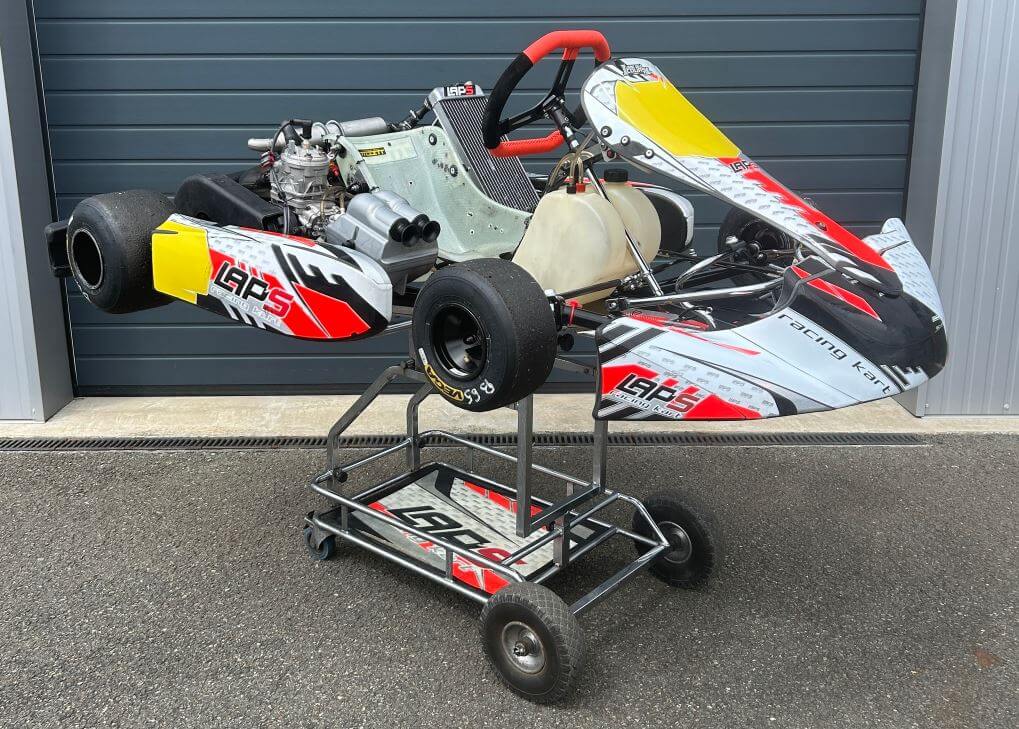
Despite its “leisure-competition” positioning, the KFS is anything but a budget kart. Four-piston hydraulic braking, 18 mm vented cast-iron disc, 50 mm rear axle, large-diameter steering wheel, and redesigned stub axles — the equipment has evolved over the generations while remaining fully cross-compatible from one season to the next. These technical updates, introduced notably from 2017 onward, have brought the KFS chassis up to modern 2-stroke karting standards.
On the wheel side, the kart features machined aluminum rims fitted with Vega KFS medium slick tires for sprint events.
In endurance racing, the 2026 season introduces Vega KFE hard slick tires, better suited to long stints and less physically demanding for drivers 😵
Unique feature: no rain tires are allowed in KFS, regardless of the format.
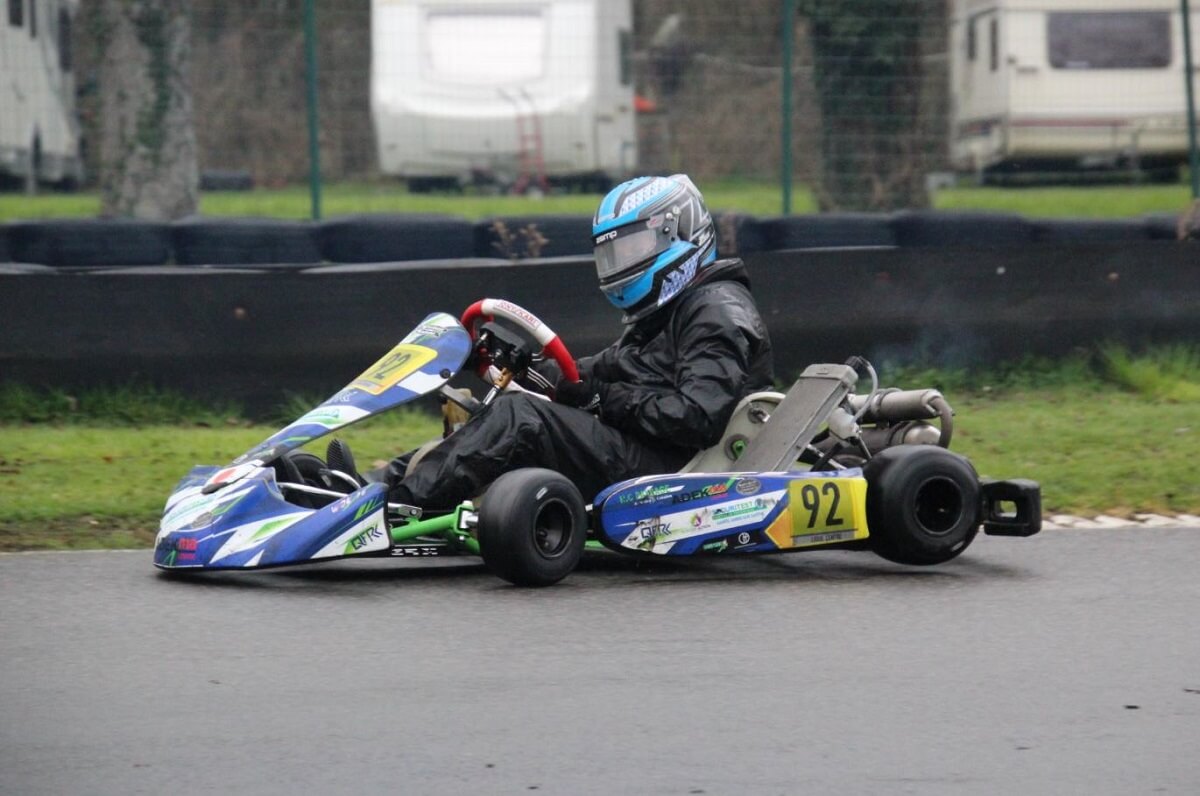
ℹ️ The complete chassis + engine assembly weighs around 78 kg dry — perfectly within the standard range for clutchless 2-stroke karts ⚖️
A New 125 cc Engine: Powerful and Reliable
In 2024, KFS underwent its biggest mechanical evolution since its creation. After more than twenty years of loyal service, the air-cooled IAME 100 cc was replaced by a modern 125 cc unit: the Vortex ROK SV, a liquid-cooled 2-stroke single-cylinder derived from the OK-N platform. Designed by Vortex (part of the OTK Group), this engine integrates top-level solutions such as an internal balancer shaft, centrifugal clutch, and electric starter — all in a purposely simplified layout, without exhaust valve, to keep maintenance easy 🙂
Importantly, the engine is restricted to 22 hp (versus 34 hp potential in open spec) via an exhaust restrictor and a rev limit of 15 000 rpm. This setup ensures exceptional longevity (around 50 hours between rebuilds) while providing a smooth powerband and stronger torque at low and mid rpm. The delivery is more progressive and usable, and lap times have dropped by roughly three seconds per lap depending on the circuit, with far sharper acceleration out of corners.
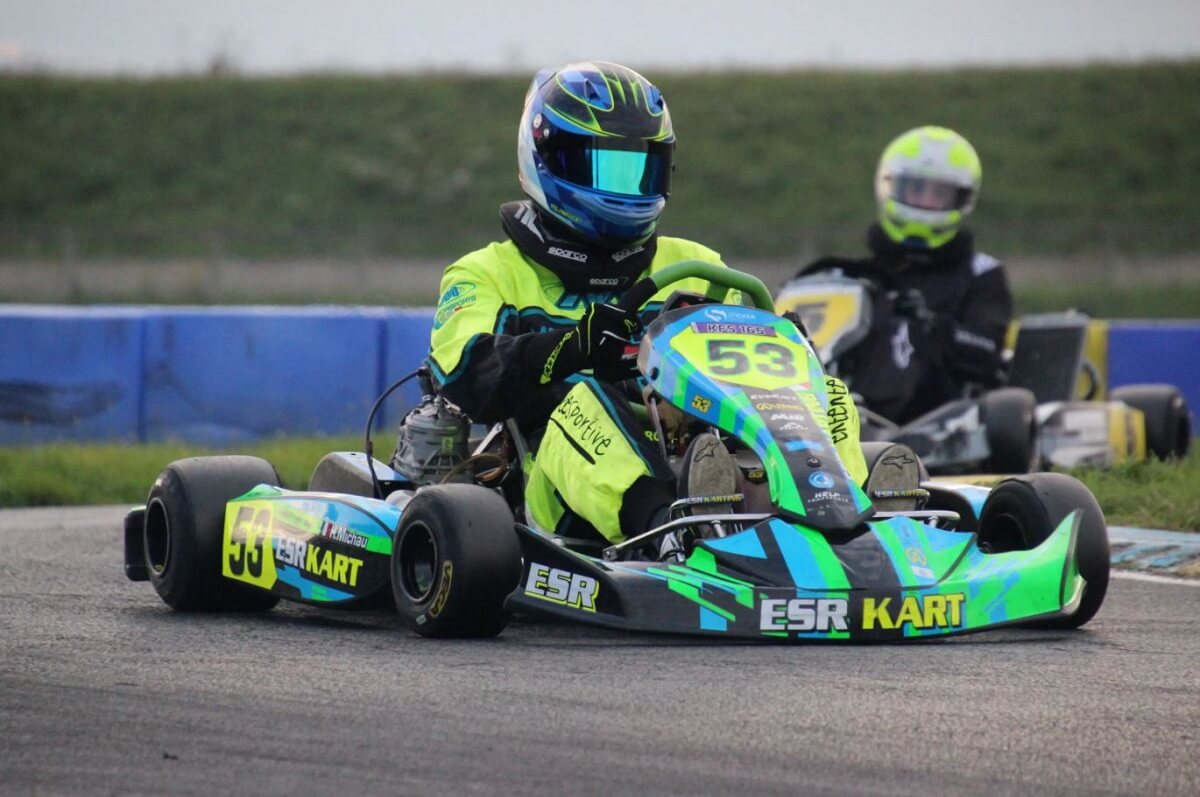
To maintain parity between the different weight sub-classes (KFS 135, 150 and 165), EvoKart and Vortex developed specific restrictors: the heavier the kart, the wider the restrictor, ensuring equal performance. It’s been a great success — light and heavy drivers alike remain competitive (with a restrictor of ~22 mm in KFS 135 versus ~26 mm in KFS 165).
Maintenance remains straightforward. Mechanically, this engine is lightly stressed, requires few consumables, and remains stable over time — a genuine modern refresh for the category, without betraying its core philosophy: faster, more reliable, yet still simple, robust, and single-make 👌
KFS, much like the IAME KA100 category recently introduced in France, is among the most accessible formulas for getting started in two-stroke competition karting. Several factors make it an economical category both to purchase and to run: first, the full one-make concept (identical chassis, engine, and tires for everyone) eliminates the arms race. Engine tuning is prohibited, and each unit is sealed and controlled, ensuring near-perfect parity. In addition, many components are fixed and specific (axle, hubs, rims, spindles, steering column, etc.), removing the need to buy and test multiple configurations in search of performance. The result is lower costs, simpler setup, and stronger sporting fairness.
Also read: "The KA100: the best way to get started in karting?"
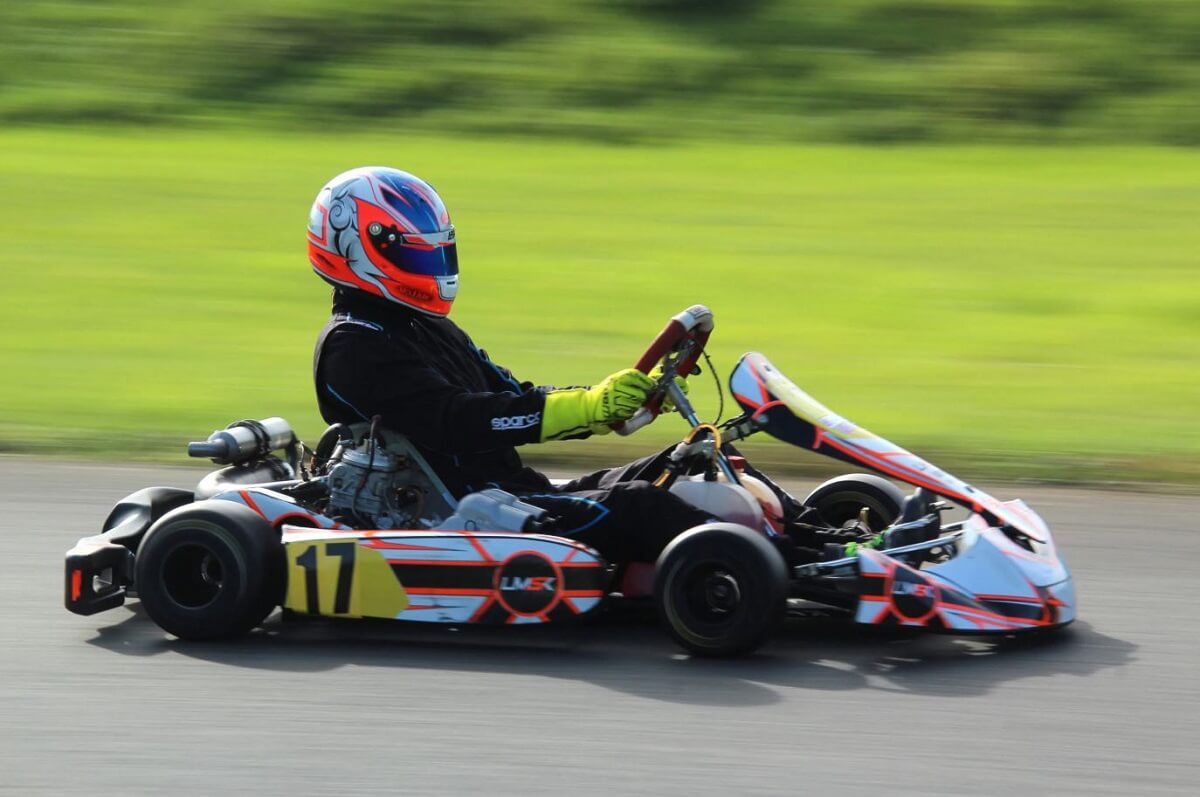
Next, the absence of rain tires and the strict tire limit per event cut tire budgets significantly while simplifying logistics. Even in wet conditions, everyone stays on slicks. As for maintenance, it’s both simple and infrequent: with 50 hours between rebuilds, the Vortex KFS is far more forgiving than a Rotax or X30. The chassis, durable and modular, can handle several seasons without premature wear.
From a sporting standpoint, KFS is a true driving school. With equal equipment, differences come down to pure driving skill, consistency, and racecraft. Whether in the rain, managing tires, or wheel-to-wheel racing, every mistake costs time — and that’s what makes it so educational 👨🎓
ℹ️ Open to drivers from 12 years old in KFS 135, the class offers an early entry into 125cc racing without being brutal: 22 hp, smooth delivery, and affordable running costs. It’s one of the few serious entry points into 2-stroke karting that balances thrills with a realistic budget.
The KFS is often compared to the KA100. Both target the same drivers but with different technical philosophies: the KFS is torquier, more durable, and easier to maintain (liquid-cooled, balanced, restricted), while the KA100 is sharper at high revs and more widespread in France through the IAME Series. KFS is still concentrated in certain regions, but with its recent growth (return to Île-de-France, FFSA recognition), that could soon change 🔮
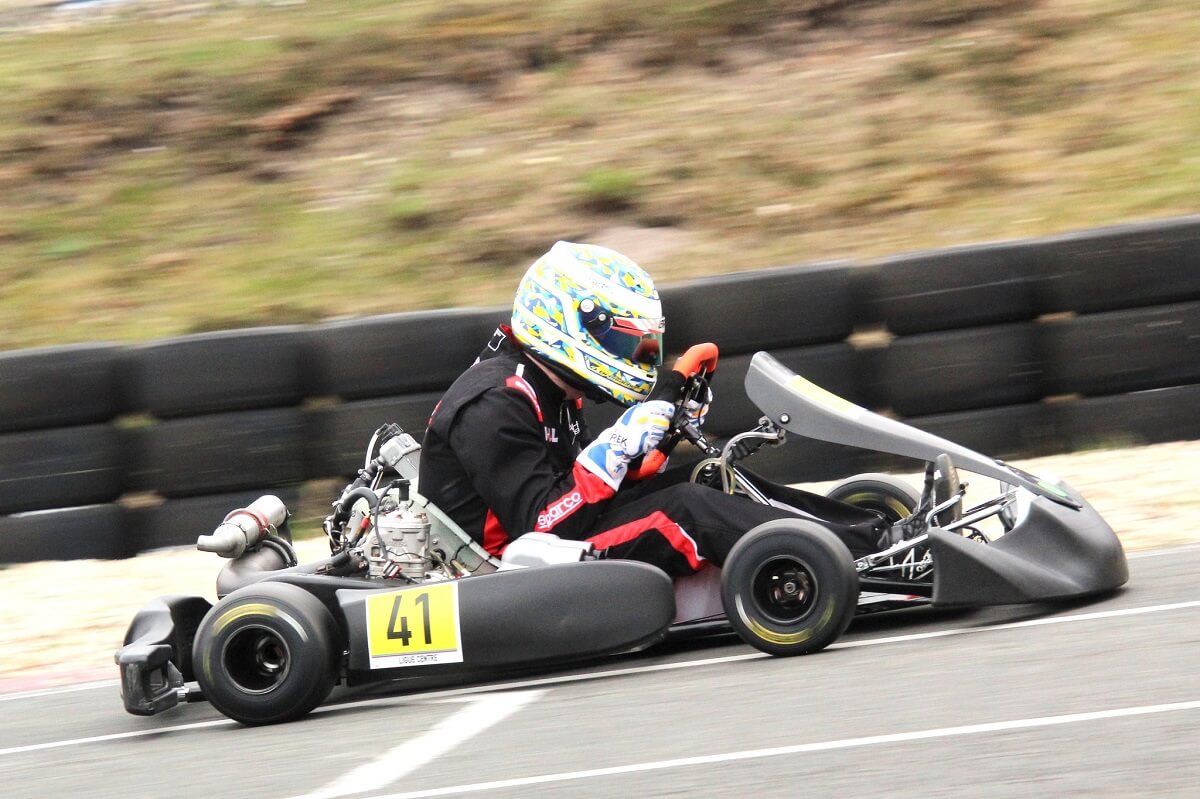
Also read: “PRAGA DARK IAME KA100: An Accessible 2-Stroke Kart to Start in Competition”
Competitions: The Revival of KFS in 2026
For many years, KFS events were organized independently from the traditional federal championships, but the series has steadily gained official recognition.
As early as 2017, the FFSA granted French Cup status to KFS’s flagship event, the Défi France, marking its first national recognition. The year 2026 represents a major milestone: the KFS endurance races now hold the titles of the official French Endurance Championship and French Endurance Cup! The FFSA has entrusted EvoKart with organizing these national titles — the French Championship will be awarded to the winning team in KFS 150, while the French Cup will go to the top KFS 165 team. This marks well-deserved recognition for more than ten years of structured, passionate work around KFS endurance racing. The format remains unchanged (team relays of six hours on identical KFS karts), but the titles now carry official national value.
The winners will be officially honored at the FFSA’s annual awards ceremony, alongside the other national champions 😍
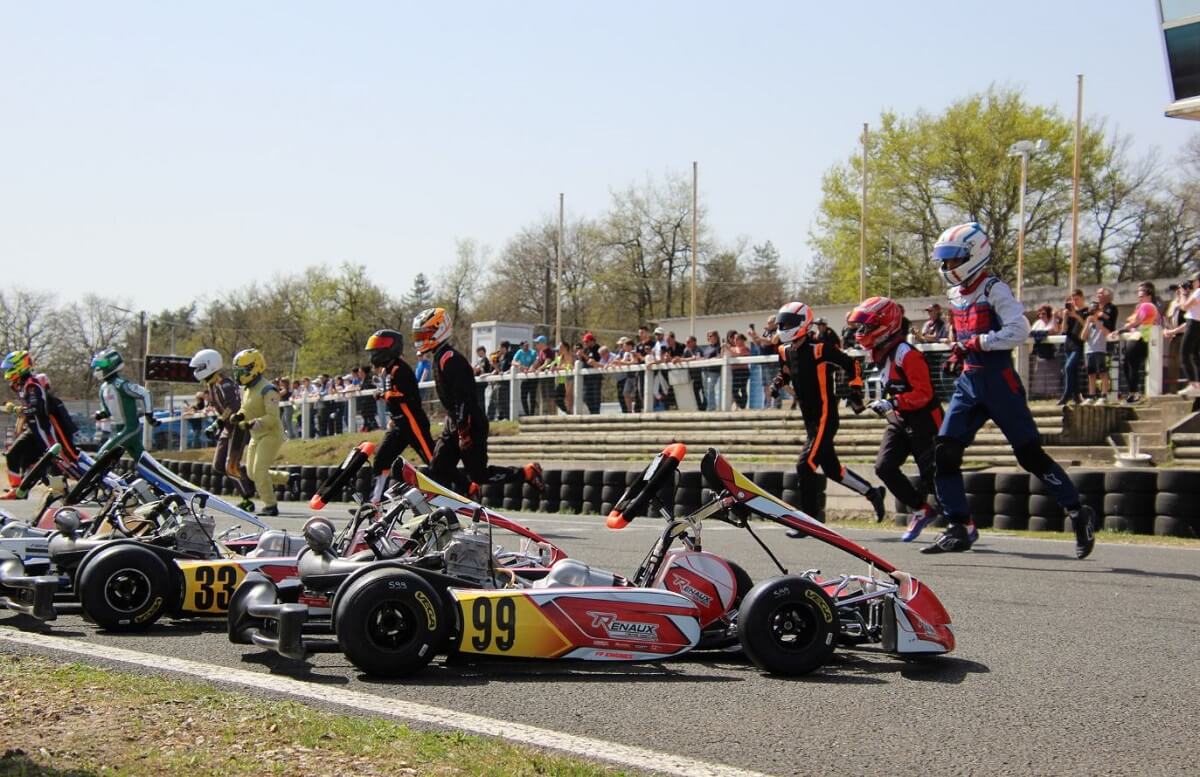
In sprint racing, KFS is also growing fast in 2026, notably with its long-awaited return to the Île-de-France region. The IDF League has reinstated the KFS 135, 150, and 165 classes in its 2026 regional championship, after several years of absence from the Parisian scene. Three events are already on the IDF calendar to relaunch local activity, supported by experienced drivers helping to promote the category.
On the national level, the Challenge Minarelli remains the benchmark KFS sprint series (a multi-round, single-make championship organized by EvoKart on various circuits). The traditional Trophée du Sud and Trophée du Centre also feature dedicated KFS championships in 2026, reflecting the series’ historical presence in France’s most active “club-level” regions.
Finally, the Défi France (French Cup) remains a highlight of the season — the national showdown where the best KFS drivers from across France compete in a single race for the title, in a festive year-end atmosphere 🎉
Main KFS Competitions in 2026 🏁
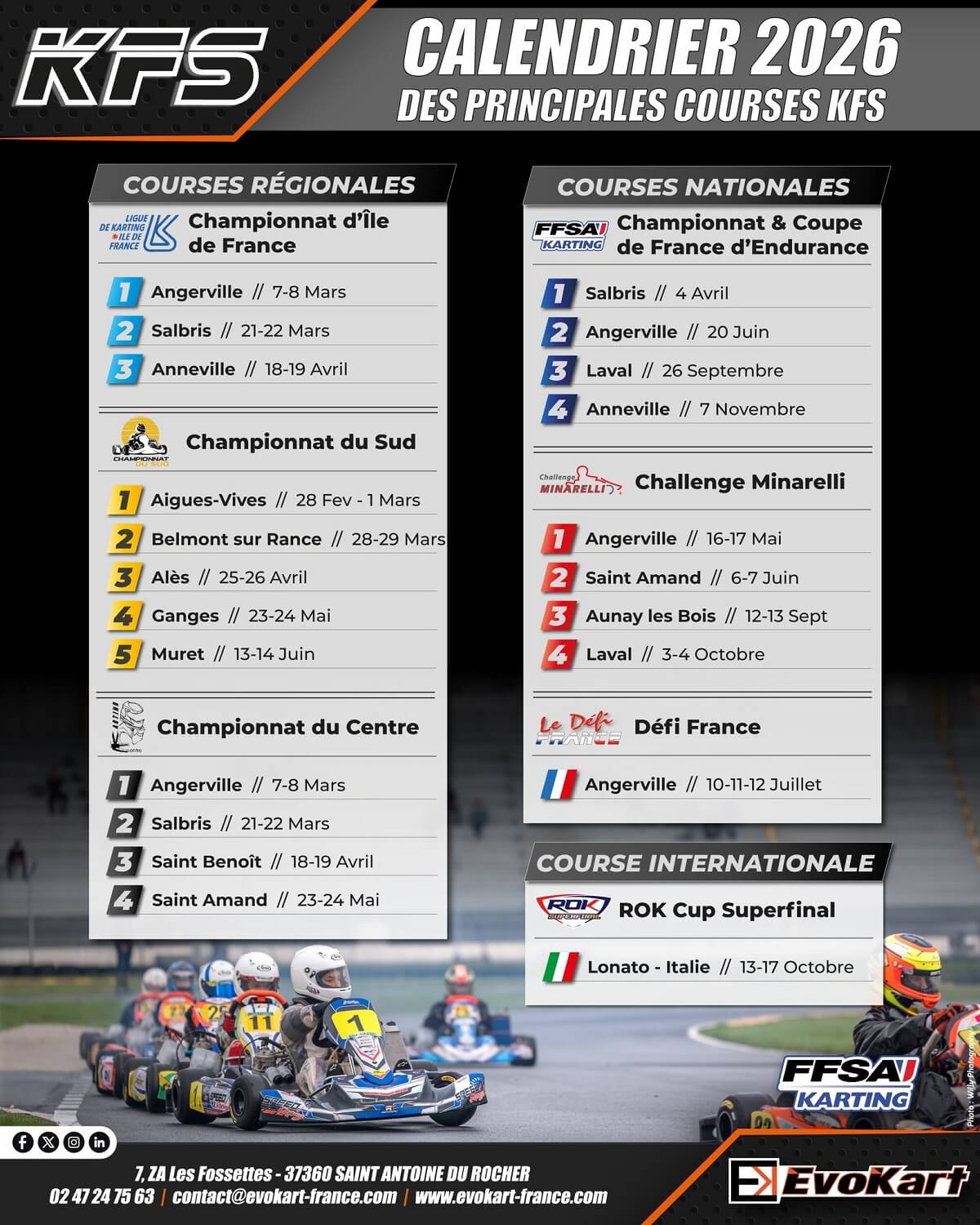
- Challenge Minarelli (National Sprint Series)
→ Several rounds across France – Organized by EvoKart - Regional Championships (Sprint)
→ IDF League 2026 (3 events), Southern (5 events) and Central (4 events) Trophies - Défi France (Single Sprint Event)
→ National year-end showdown, single-race format - KFS Endurance (Team Format – 6 Hours)
→ 4 events (Salbris, Angerville, Laval, Anneville)
→ FFSA Label: French Championship KFS 150 / French Cup KFS 165
This variety of events allows every driver to find their place — from those seeking local racing to those aiming for national-level competition within a realistic budget.
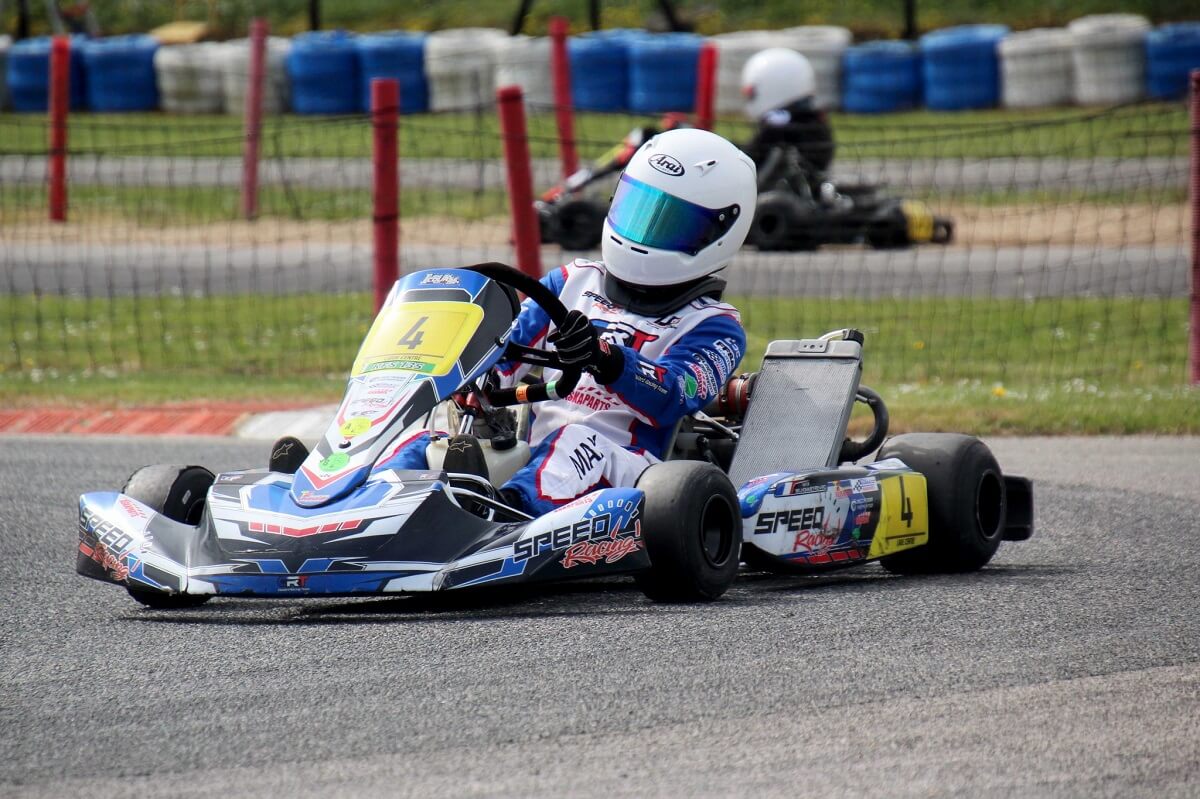
Strengths and Weaknesses of the KFS Category
The KFS receives plenty of positive feedback from French kart drivers, though some still express reservations about its very specific format.
Advantages of the KFS
On the positive side, the biggest strength lies in its low cost of competition: it’s hard to find anything cheaper in 2-stroke karting for a brand-new, high-performance package. On the used market, second-hand KFS sets (chassis + engine) are available for around €3,000–4,000 and are already competitive enough to fight at the front 🏆
➡️ Browse all karting listings on GoToTheGrid 😉
Maintenance remains minimal thanks to the restricted engine’s reliability and the ban on rain tires. The single-make format ensures true sporting fairness, where driving skill makes the difference. The KFS atmosphere, known for its camaraderie and friendly endurance races, as well as the category’s ability to modernize (2017 upgrades, new 2024 engine), all reinforce its appeal more than 20 years after its creation 👍
Drawbacks of the KFS
On the downside, the main criticism is its closed format: EvoKart-specific equipment, a limited used market, and dedicated race series. The absence of KFS categories in several regions — particularly in the East — can lead to some geographical isolation, despite its comeback in Île-de-France for 2026. This more localized presence also means less media coverage and smaller grids than those of Rotax or X30.
From a racing perspective, the ban on engine tuning can frustrate some competitors, and performance is below that of a Rotax Max or X30 (around 2 seconds per lap slower, depending on the track). However, the ease of use and budget-friendly nature perfectly match the category’s philosophy. The mandatory slick tires in the rain can surprise newcomers, though many see it as a defining and valuable driving challenge 💪
In the end, the KFS stands in 2026 as a solid promotional category built on three pillars: accessibility, reliability, and fairness. For those looking to start or return to racing without breaking the bank, it remains one of the most coherent gateways into 2-stroke karting, now with full FFSA recognition 👏
[VIDEO] Test and presentation of the KFS / VORTEX


I'm Robin, 36, amateur driver and internet entrepreneur. I founded GoToTheGrid (GTTG) to create an intuitive platform dedicated to motorsport enthusia... See more